Tesla has shown nine vehicles with a date attached. We measured each one against the first date it was promised, then did the same for eleven years of self-driving forecasts.
2 November 2026 · 7 min read
Smnt / CC BY-SA 4.0
Tesla has shown nine vehicles with a date attached. Each time, the company or Elon Musk said when the first customers would have one. We took the first date given for each, and checked it against the day the first one was handed over.
Then we did the same for eleven years of self-driving forecasts, and for the delivery targets Tesla sets each January. One of the three is far more reliable than the others.
01 · The vehicles
Nine cars,three dates each.
When each was unveiled, the first date Tesla gave for it, and its first delivery. Scroll, and the same nine lines are measured three ways.
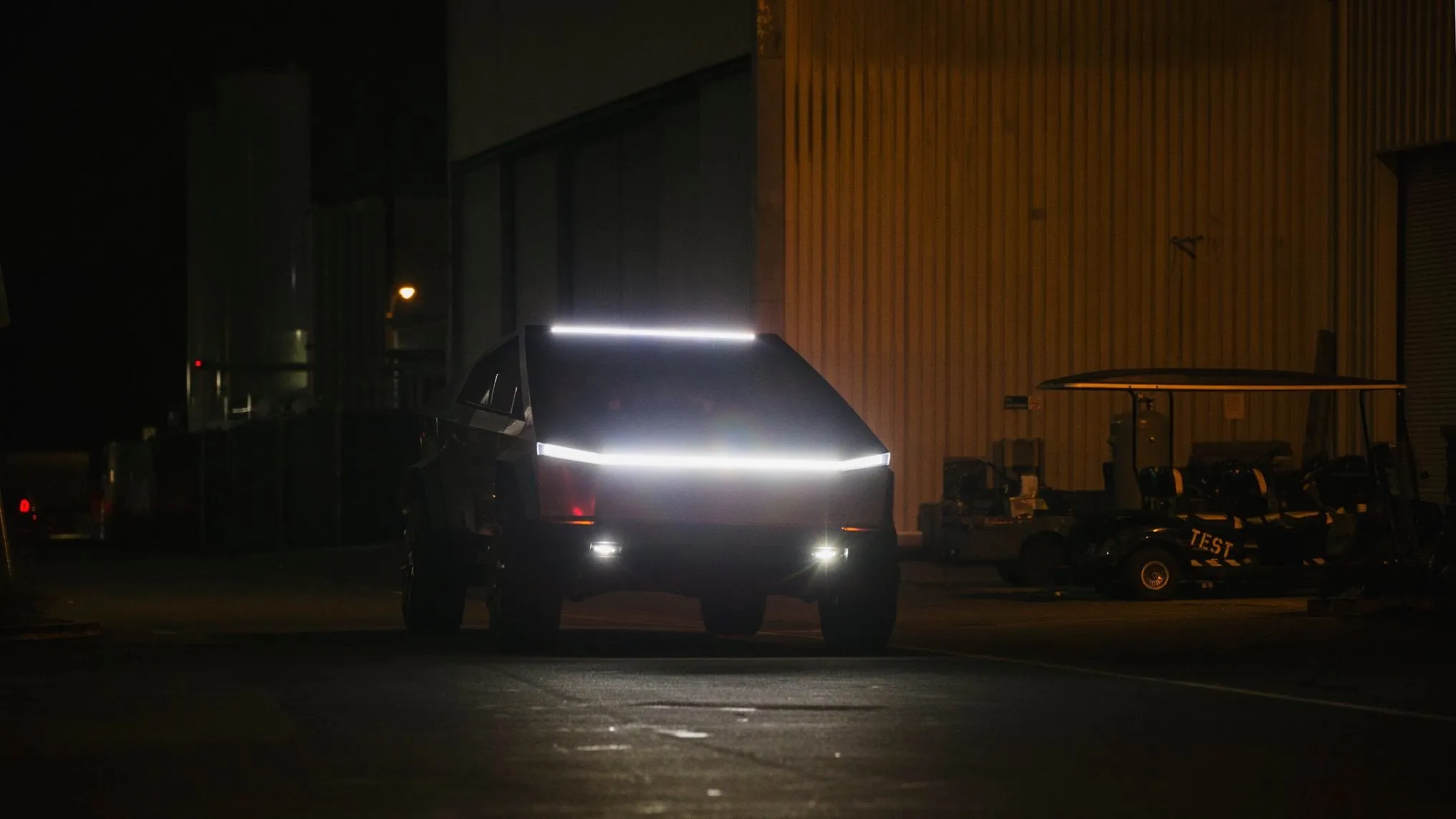
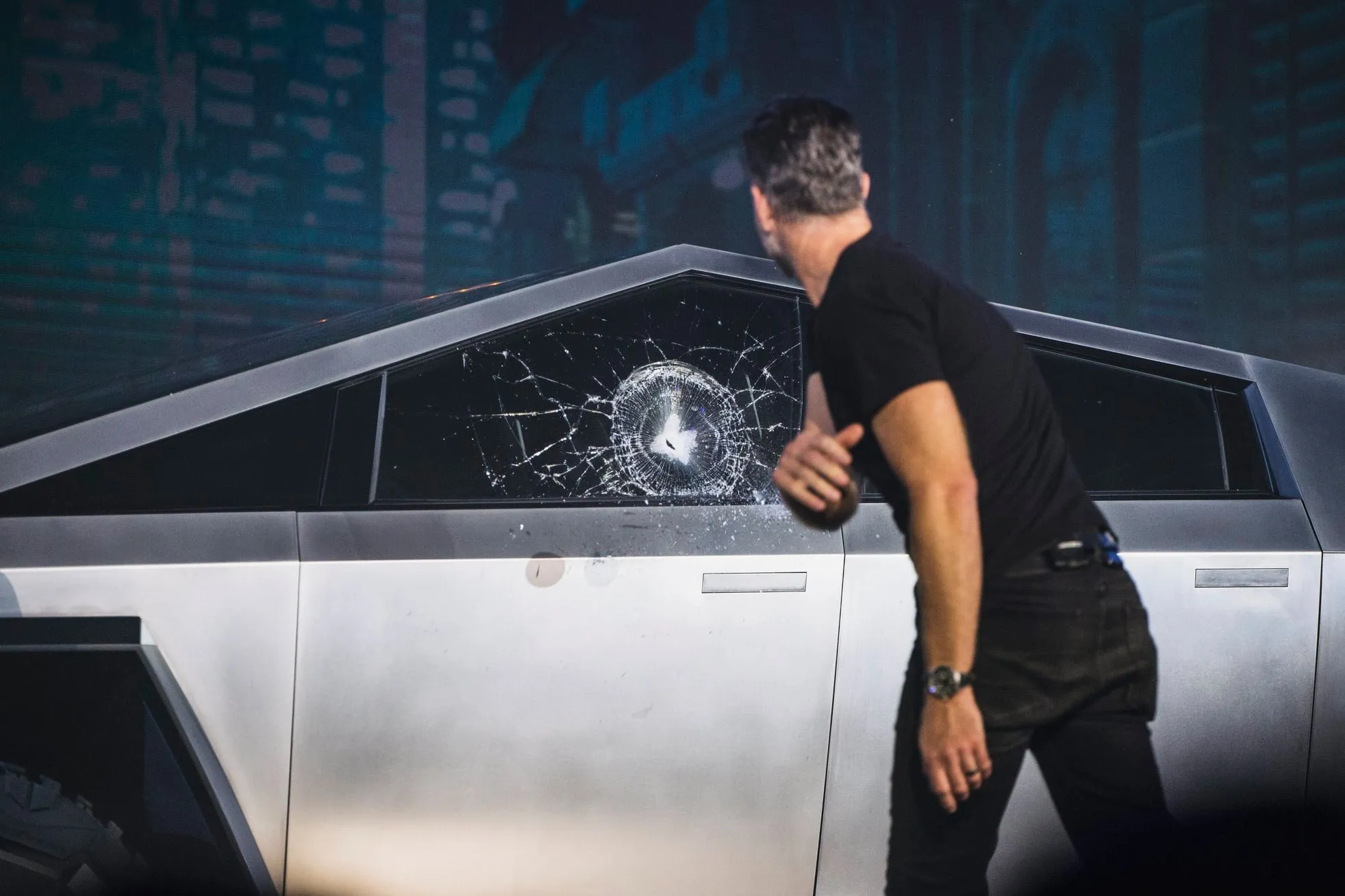
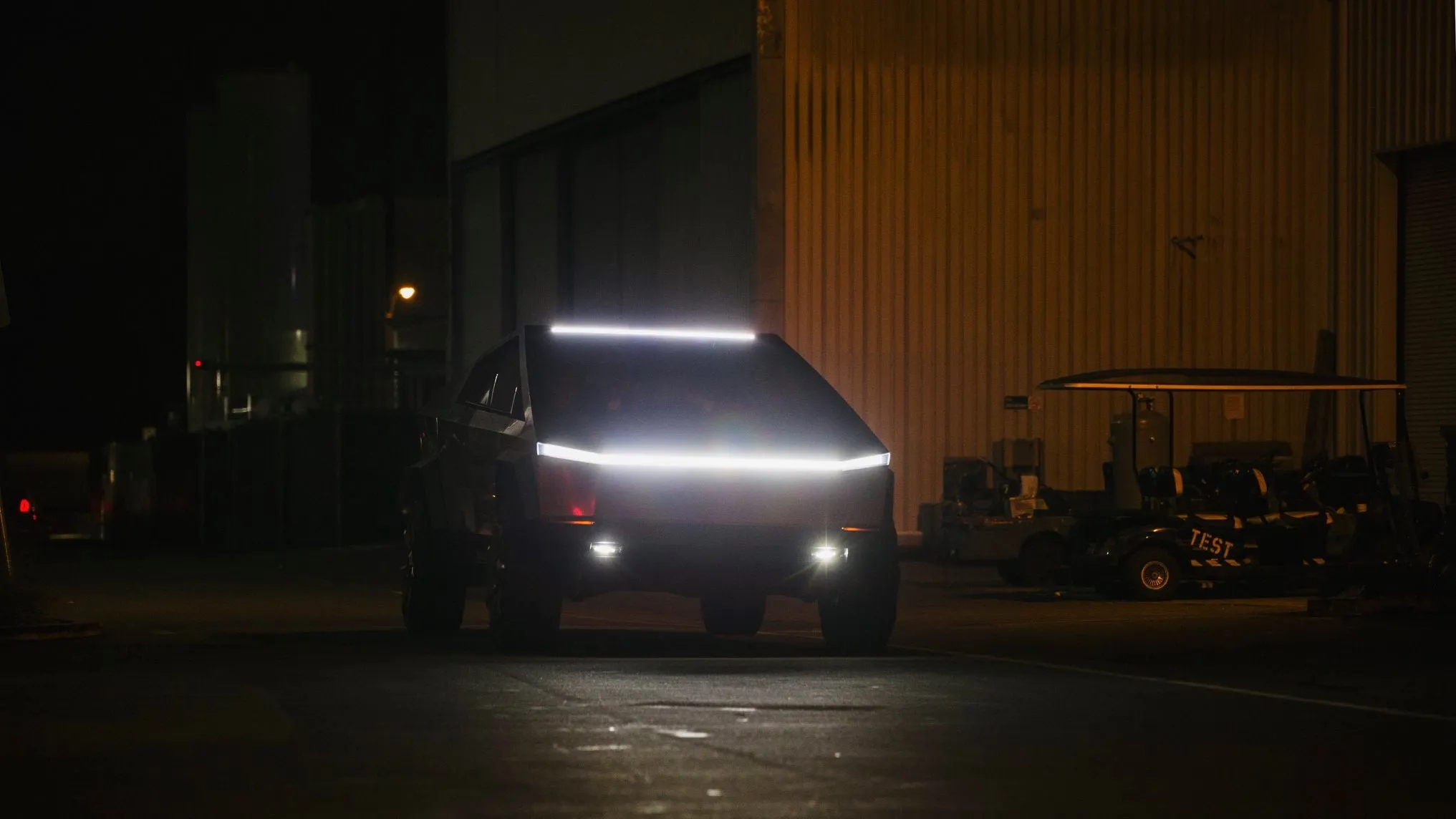
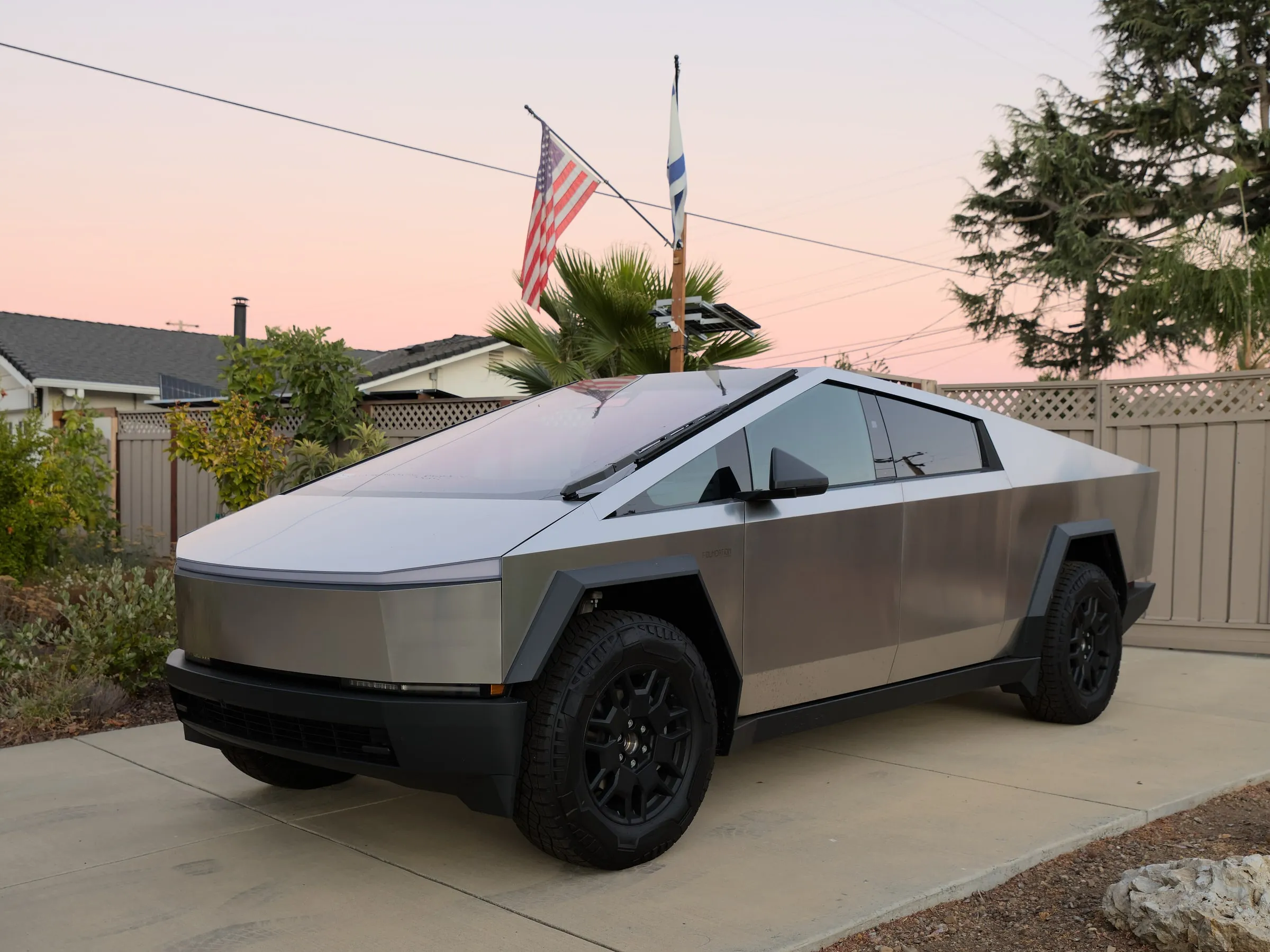
Cybertruck, unveiling night, 2019. u/Kruzat / CC BY-SA 4.0
Nine vehicles on one calendar. Each line starts at the unveiling (○), passes the date first promised (|) and stops at the first delivery (●). One still runs on to today.
From the unveiling
Line them up at their unveilings. The Model Y took twelve months from stage to first customer. The Semi took five years. The second Roadster is at almost nine years and counting.
From the promise
Now line them up at the promise. Red is time past it. Five arrived late: the first Roadster by four months, the Model S by six, the Model X by 17, the Cybertruck by 23 and the Semi by 35.
Early
Blue is time to spare. Three beat the date, each with a footnote: the first 30 Model 3s went to employees, the Model Y arrived nine months inside “fall 2020”, and the Cybercab carries Robotaxi riders but is not yet sold.
Not yet
One line never closes. The second-generation Roadster was promised for 2020. It is 70 months late and counting.
The typical gap
Across the eight that have arrived, the typical Tesla reached its first customer five months after the date first promised.
Nine Tesla vehicles: unveiling, first promise, first delivery
First promise
Roadster (2006 · first gen)
19 July 2006
Deliveries “expected to begin next summer”
End of summer 2007
February 2008
4
18
Model S (2009)
26 March 2009
Production expected to start in “late 2011”
31 December 2011
22 June 2012
6
39
Model X (2012)
9 February 2012
Production in late 2013, significant deliveries in “early 2014”
30 April 2014
29 September 2015
17
44
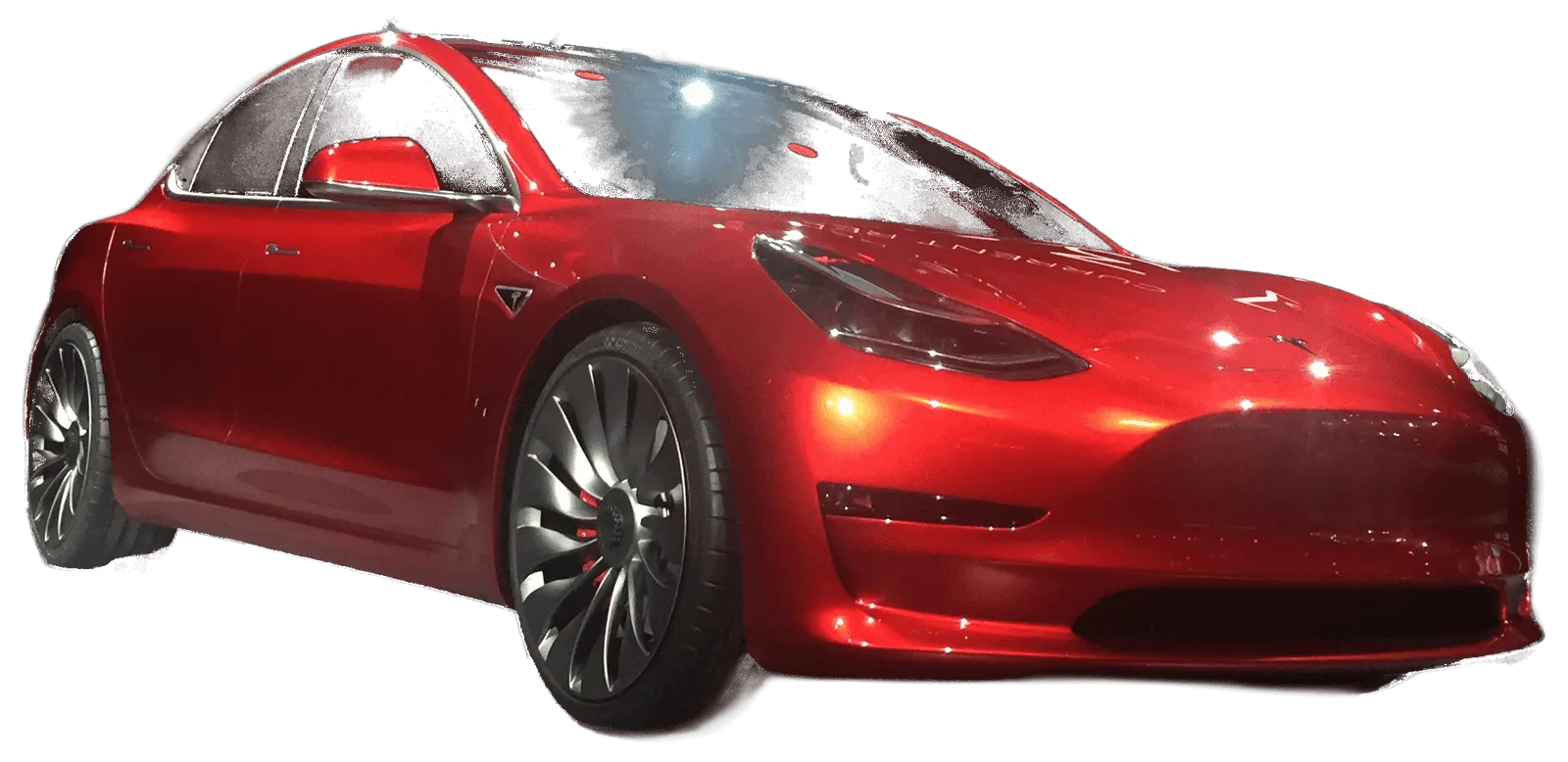
Model 3 (2016)
31 March 2016
Deliveries to begin “late 2017”
31 December 2017
28 July 2017
-5
16
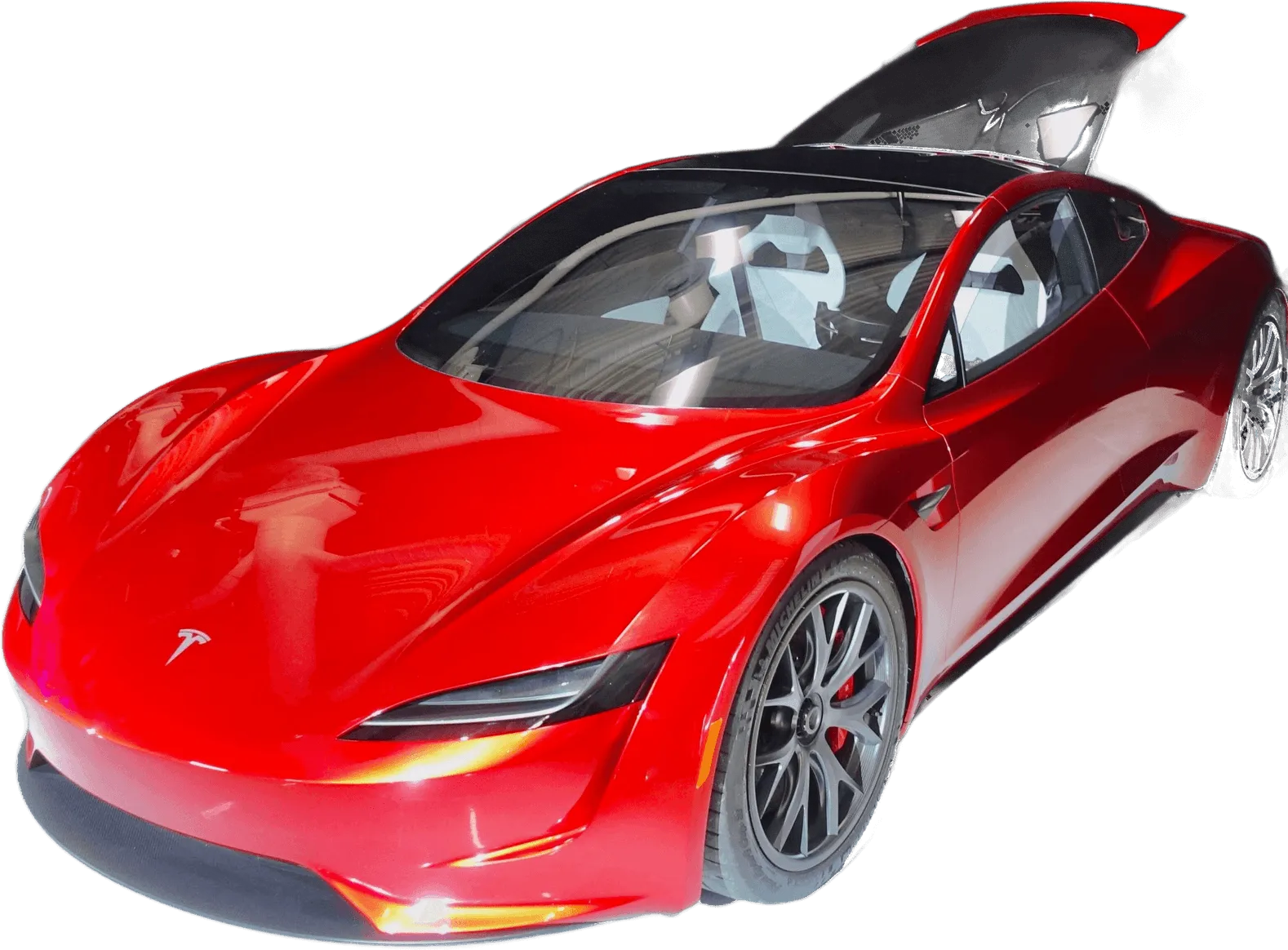
Roadster (2017 · second gen)
16 November 2017
Available in 2020, from US$200,000
31 December 2020
Not yet
70
108
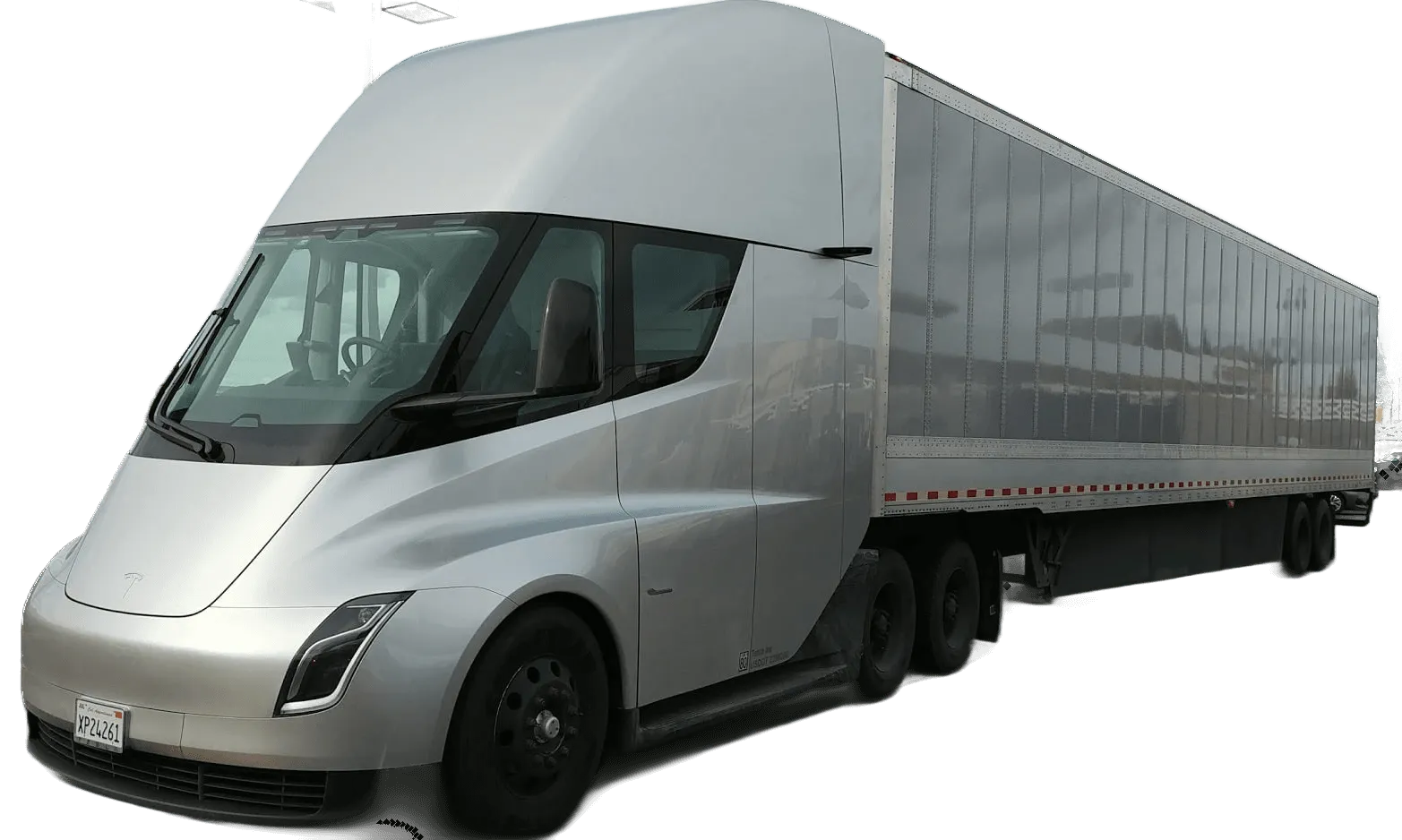
Semi (2017)
16 November 2017
Production to begin in 2019
31 December 2019
1 December 2022
35
60
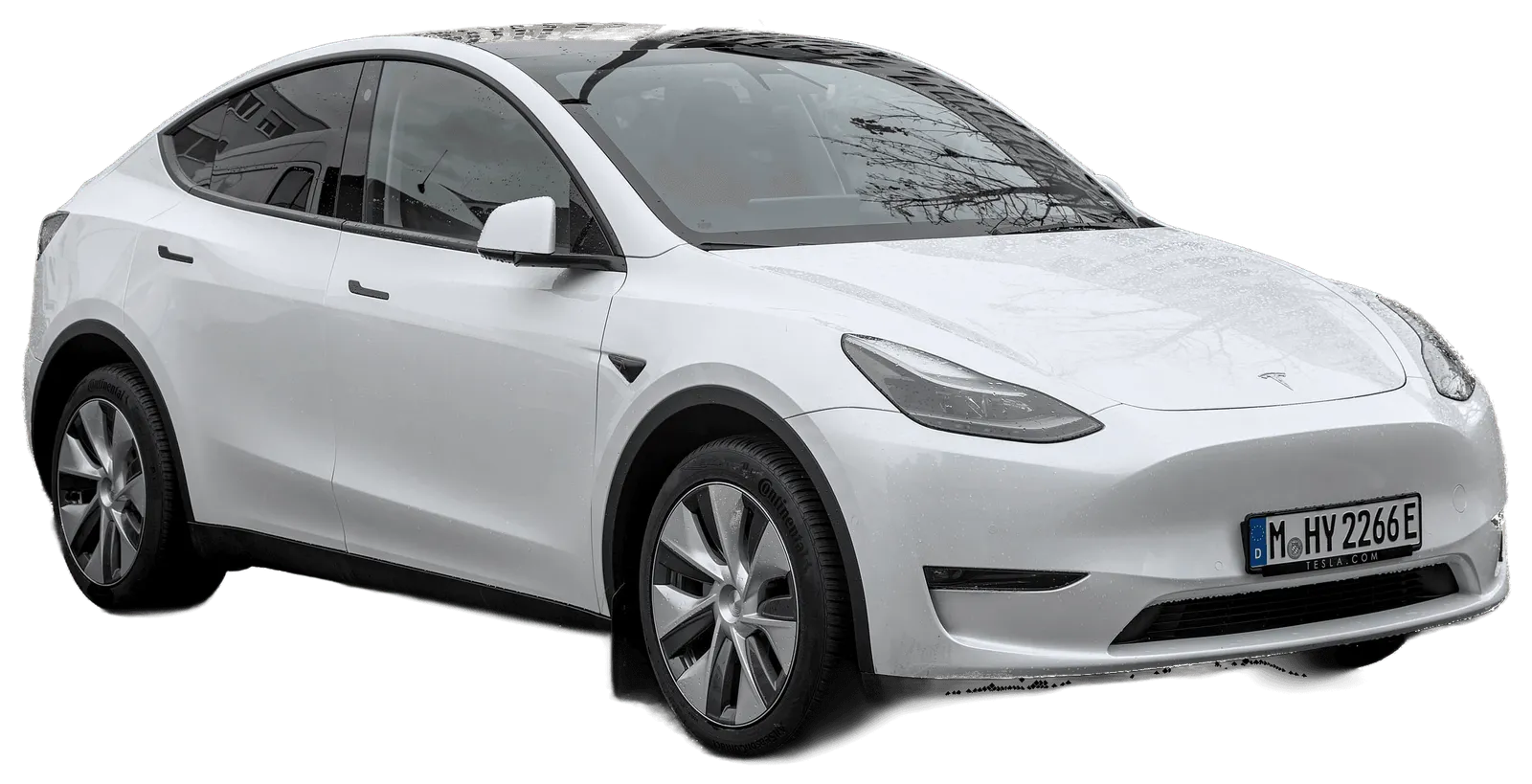
Model Y (2019)
14 March 2019
First deliveries in “fall 2020”
21 December 2020
13 March 2020
-9
12
Cybertruck (2019)
21 November 2019
Production “expected to begin in late 2021”
31 December 2021
30 November 2023
23
48
Cybercab (2024)
10 October 2024
In production in 2026, “before 2027”
31 December 2026
3 September 2026
-4
23
First, the stage.
Each was shown, with a date, before anyone could buy one.
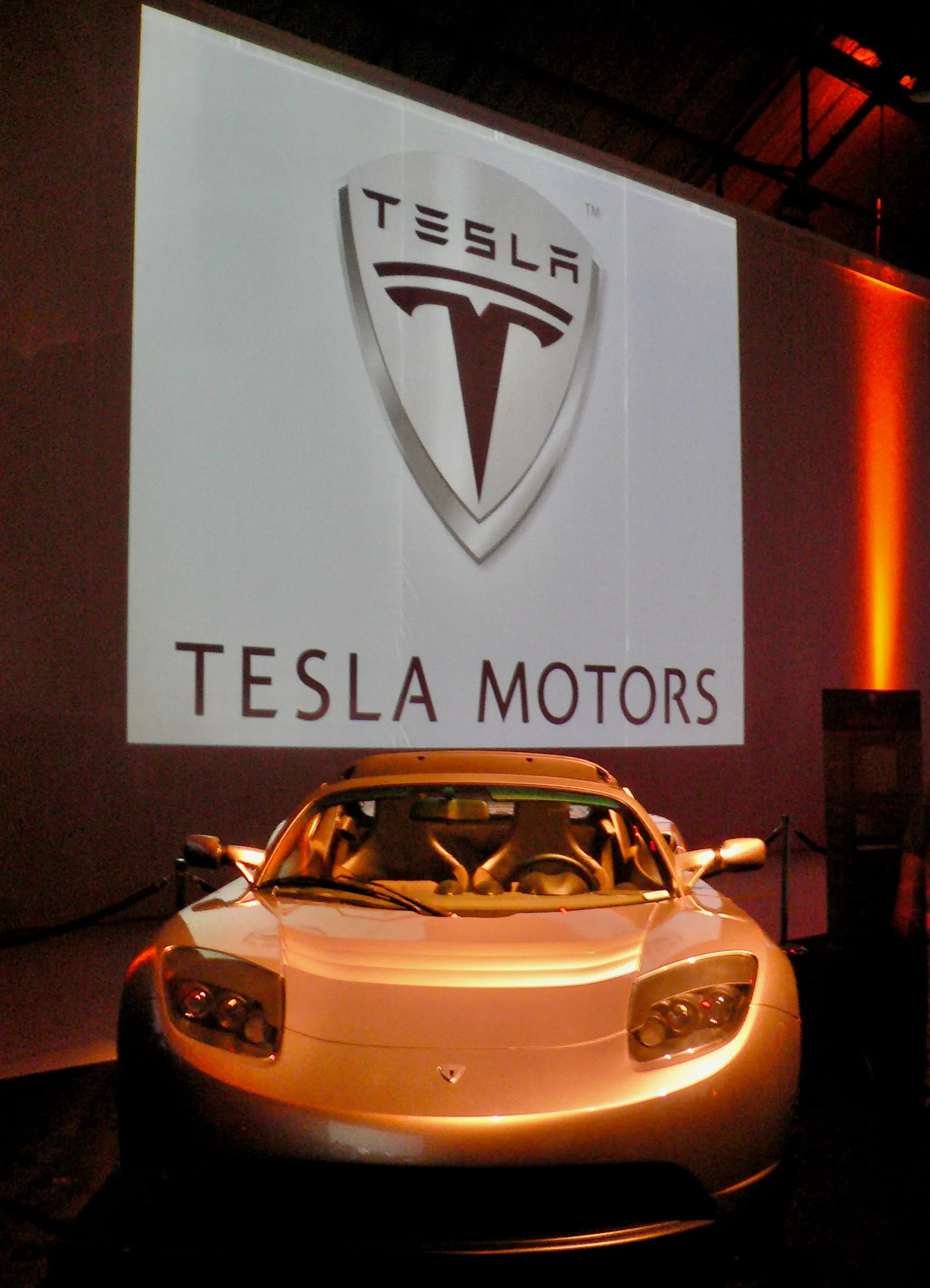
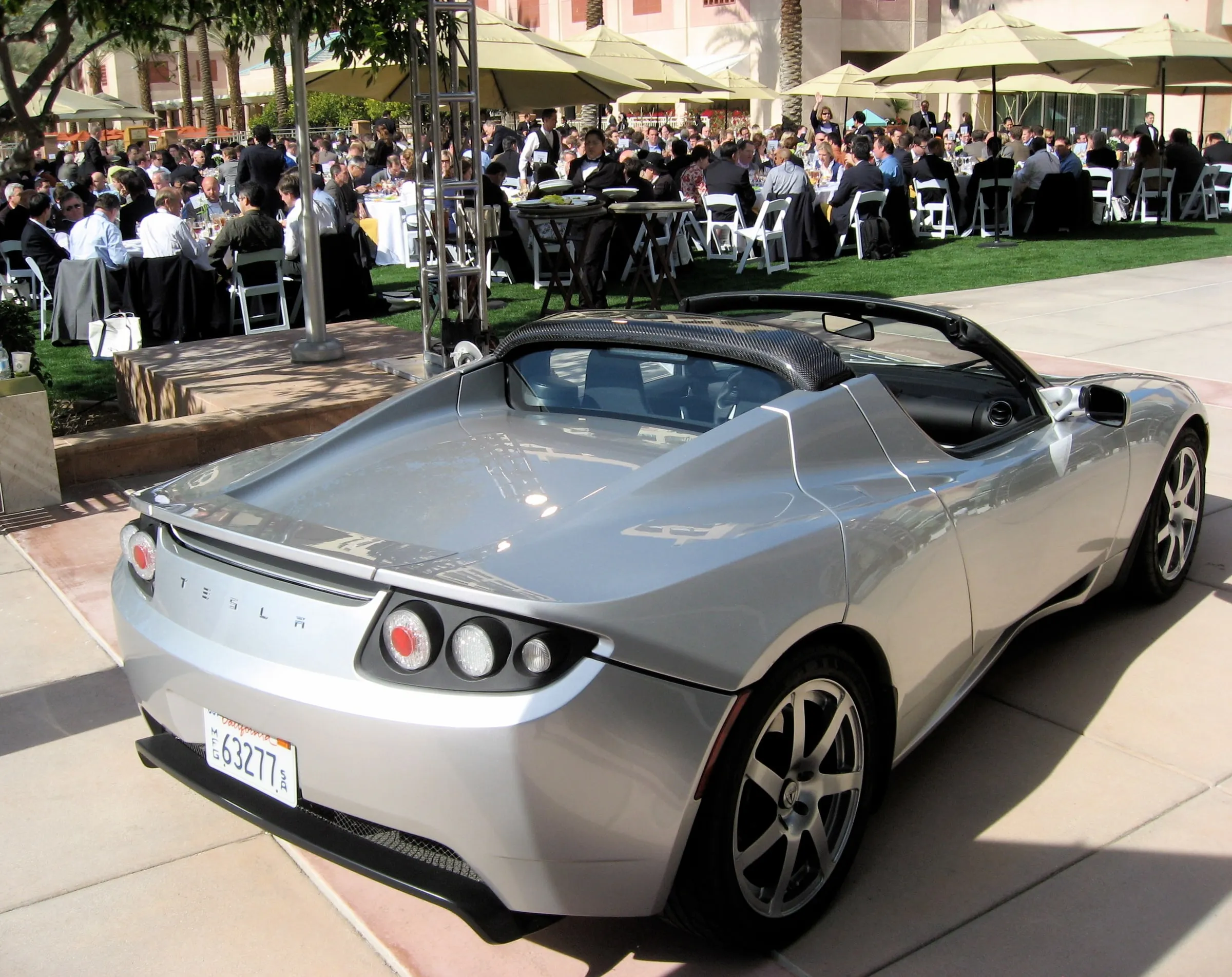
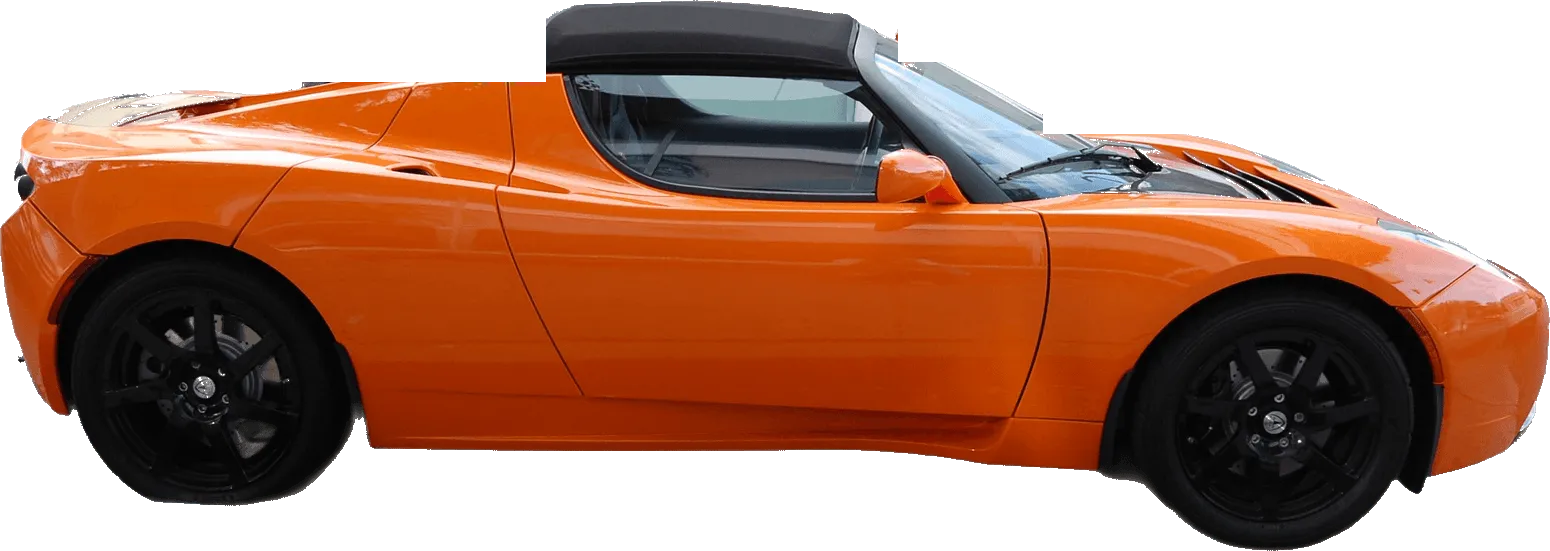
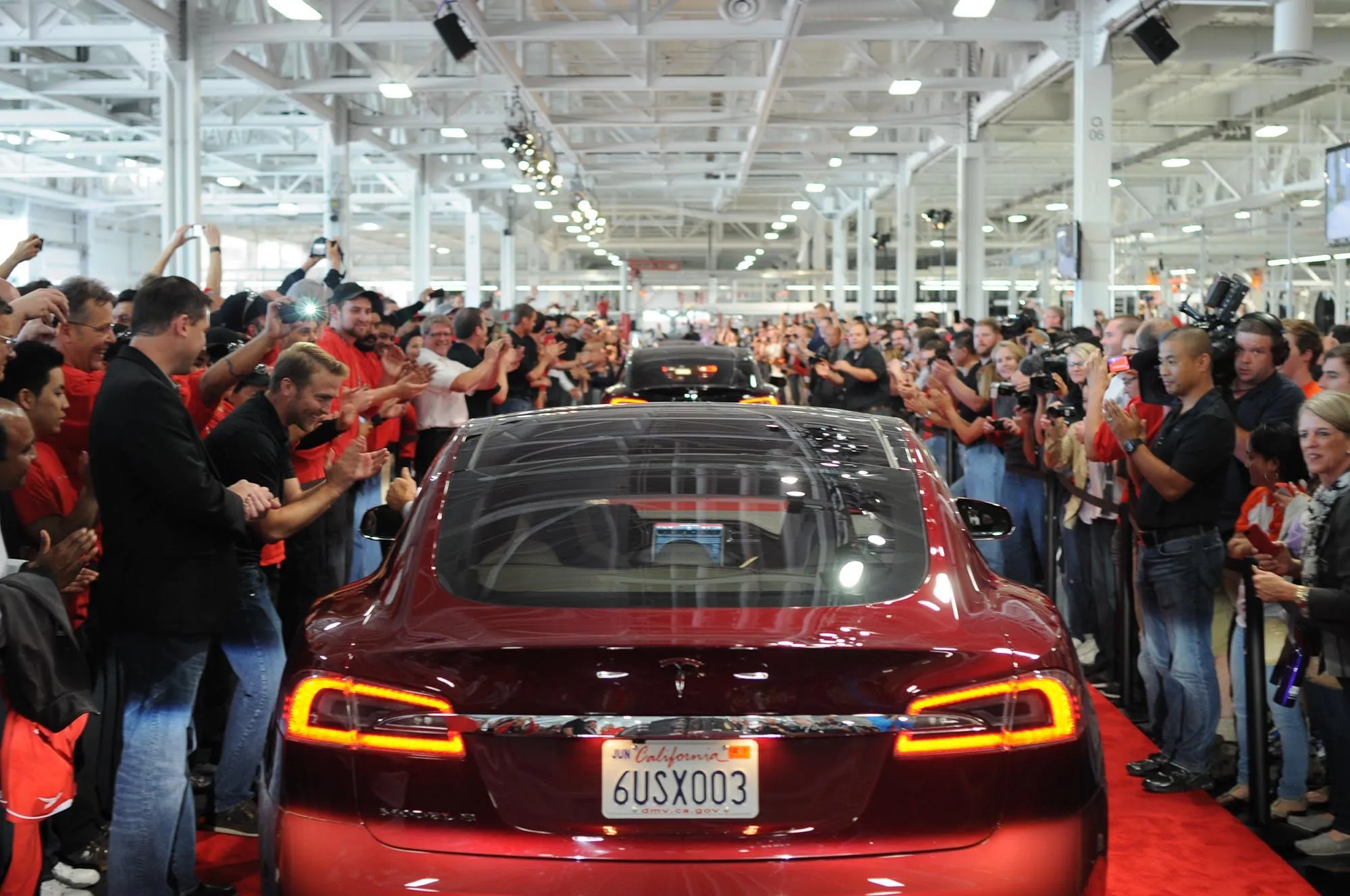
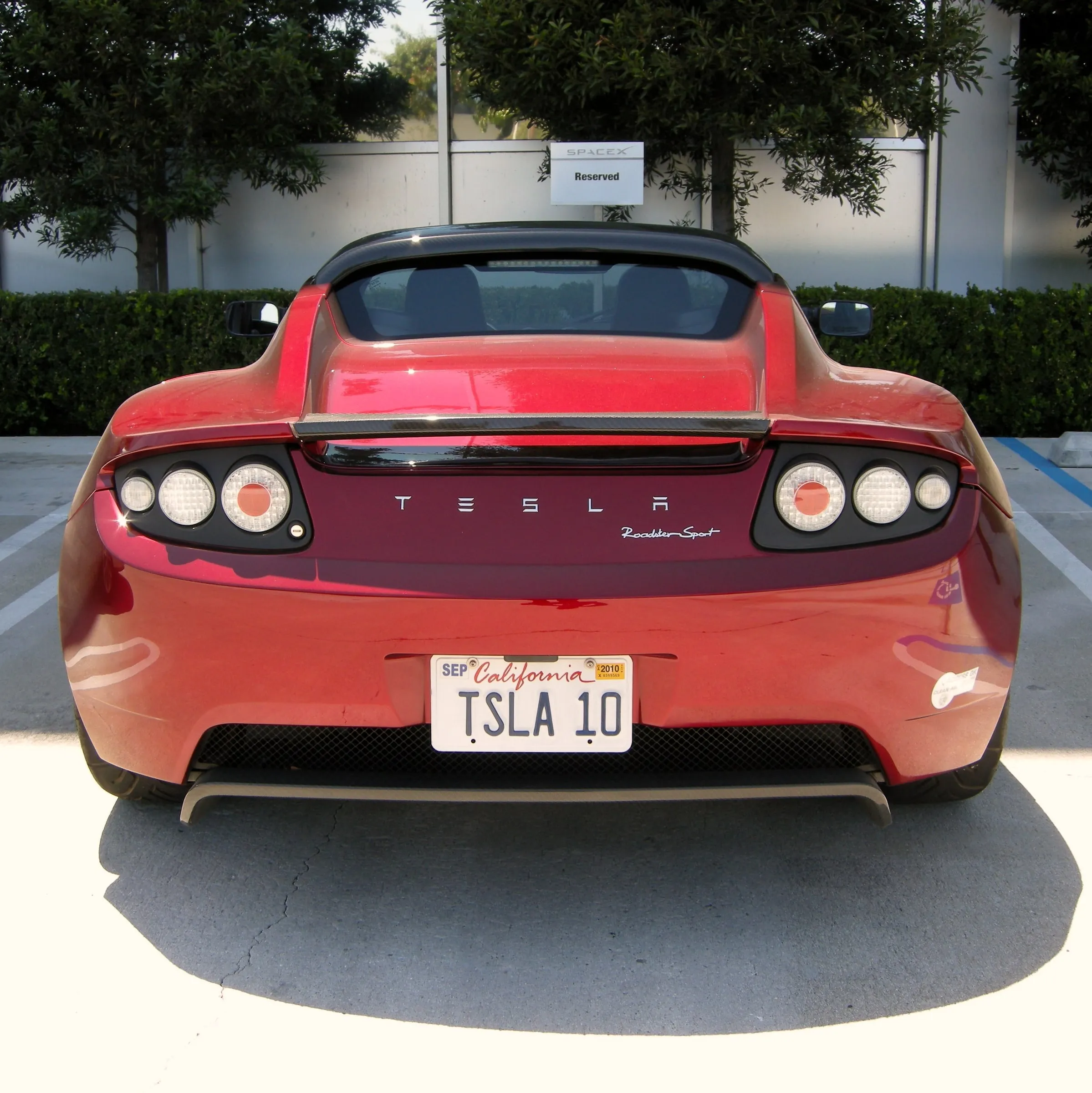
Tesla’s first car set the tone. At its unveiling in a Santa Monica hangar in July 2006, the company said Roadster deliveries were expected to begin the next summer. The first production car went to Elon Musk, then chairman, in February 2008, about four months after that summer ended. Its two-speed gearbox was part of the trouble; the first cars shipped with an interim transmission.
February 2008, the month the first production Roadster arrived in America. Its owner was the chairman.Steve Jurvetson / CC BY 2.0
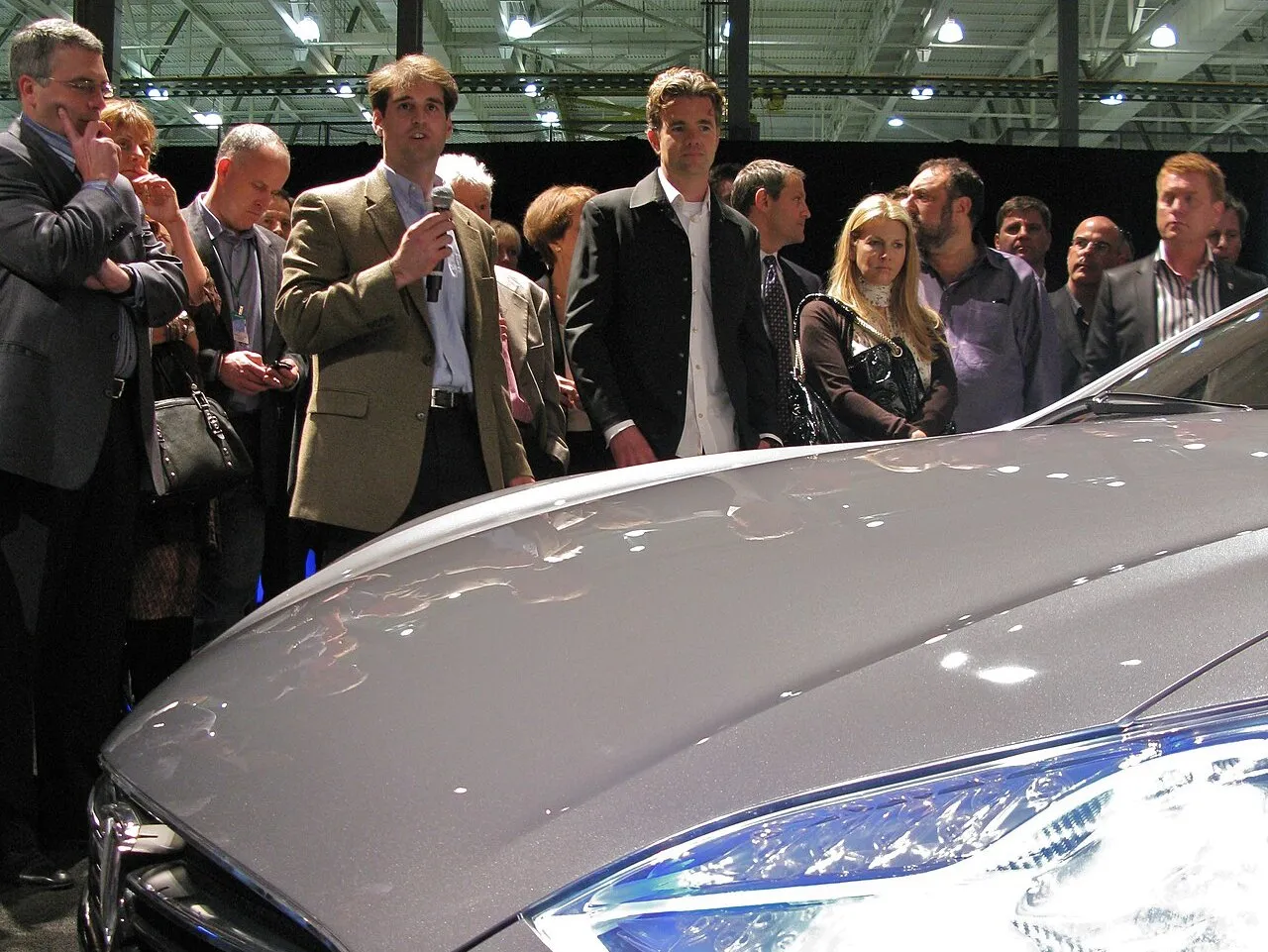
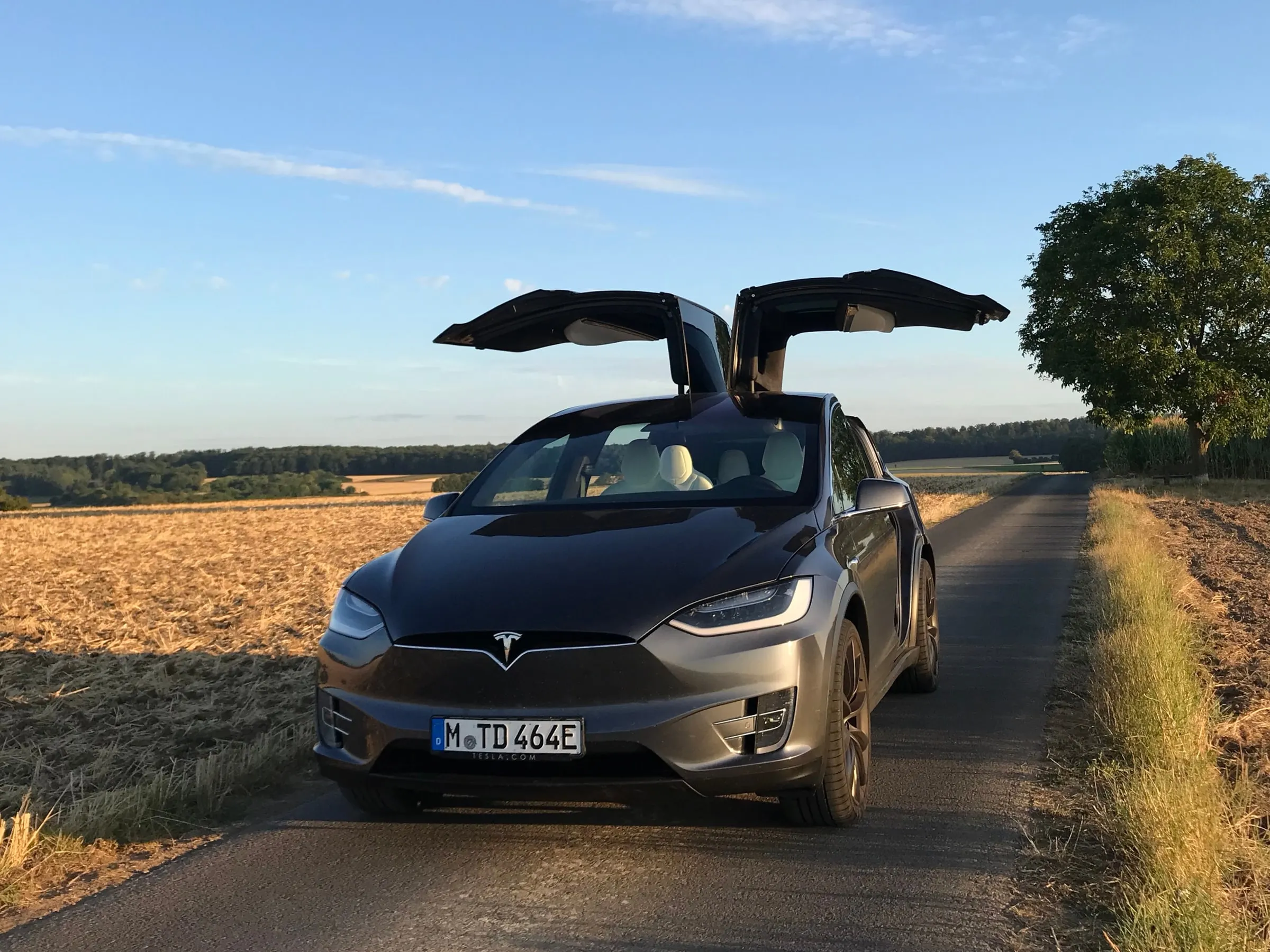
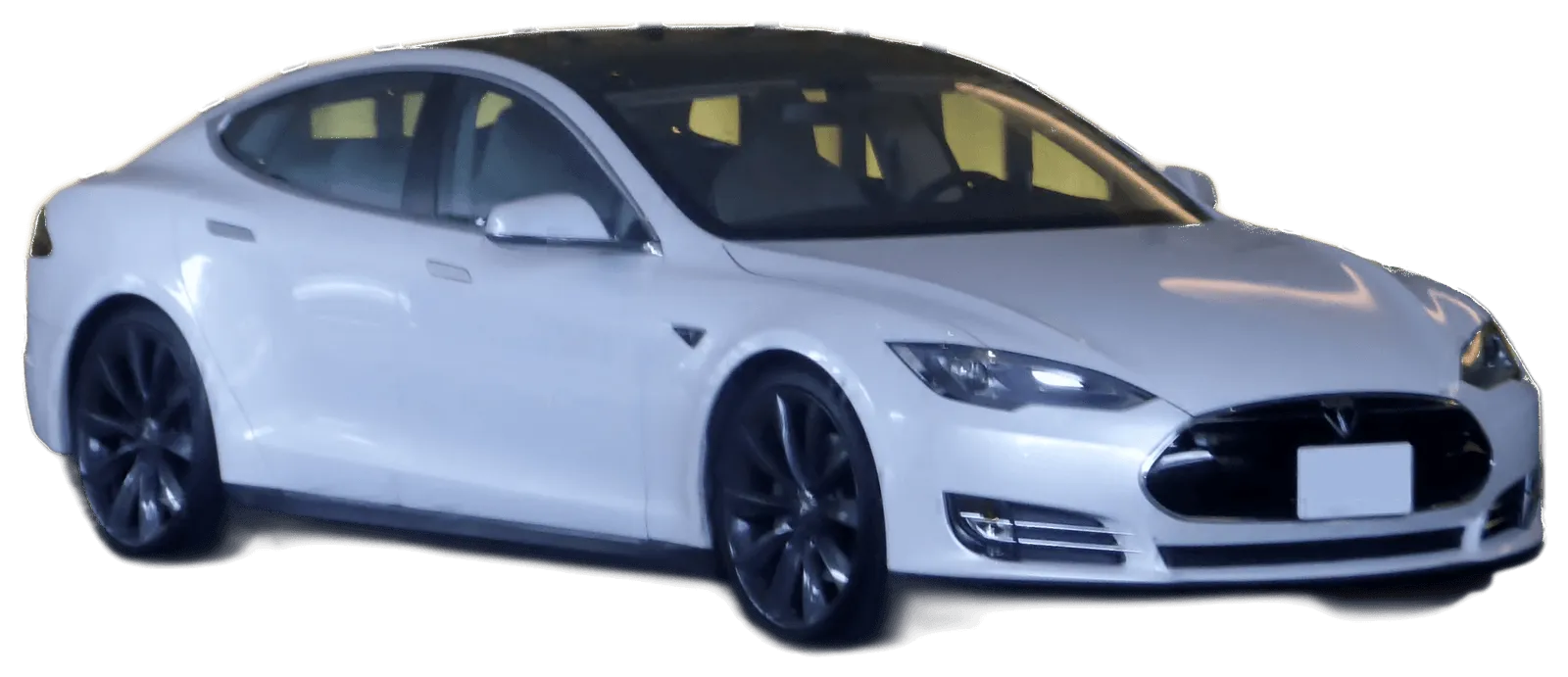
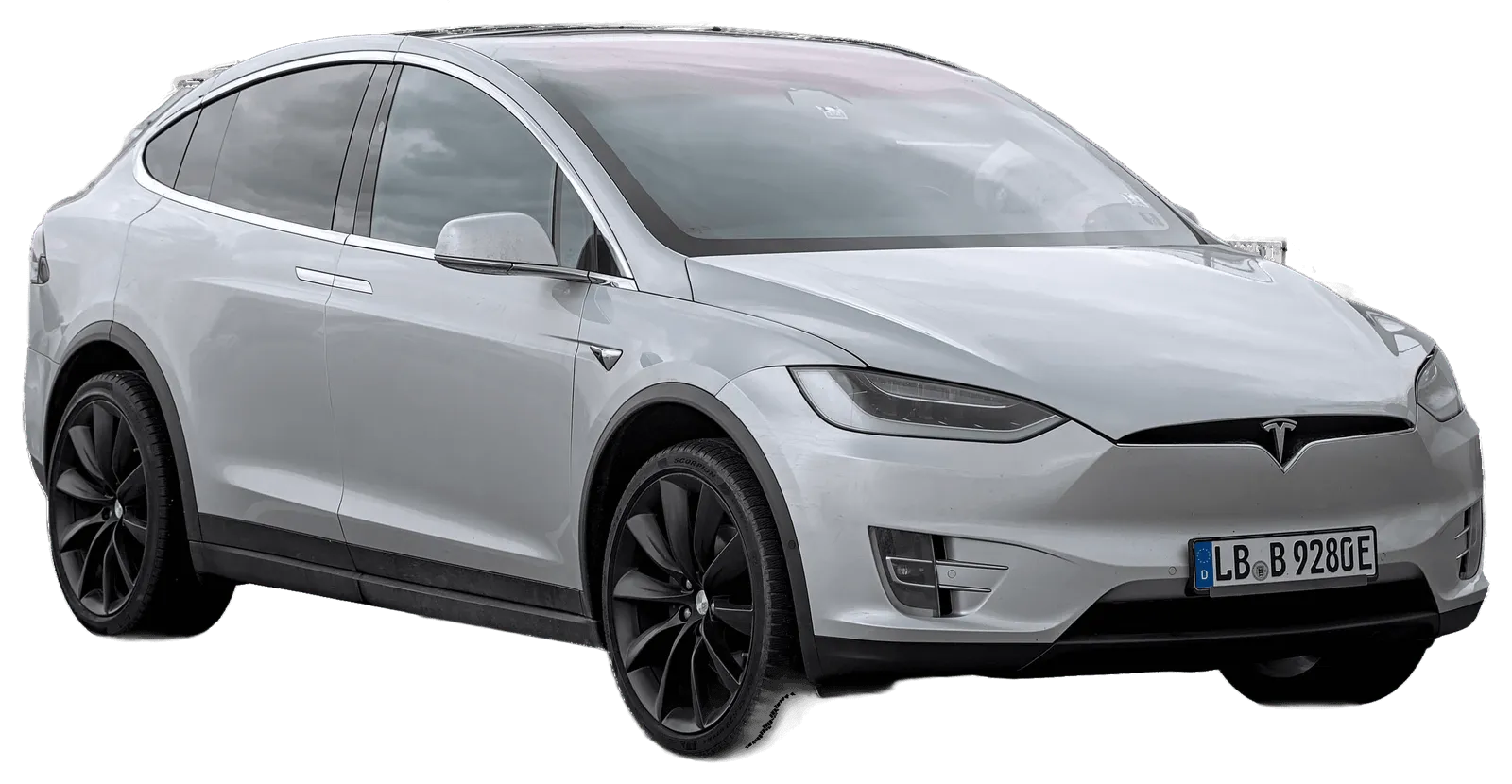
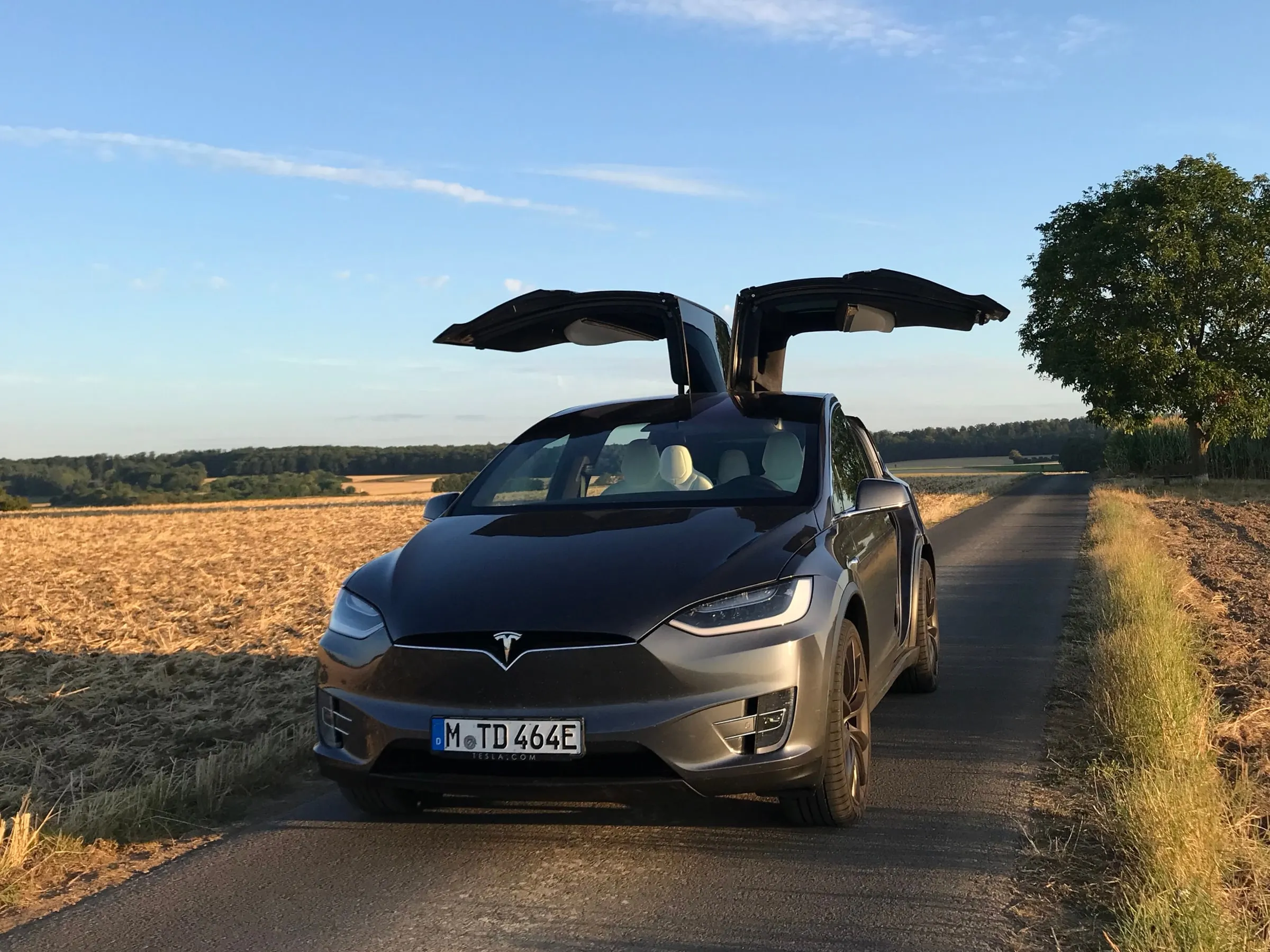
Since then the gap has wandered. The Model S reached its first owners on 22 June 2012, six months after its late-2011 production target. The Model X, shown in February 2012 with deliveries promised for early 2014, took a further seventeen months. The Cybertruck ran 23 months past “late 2021”.
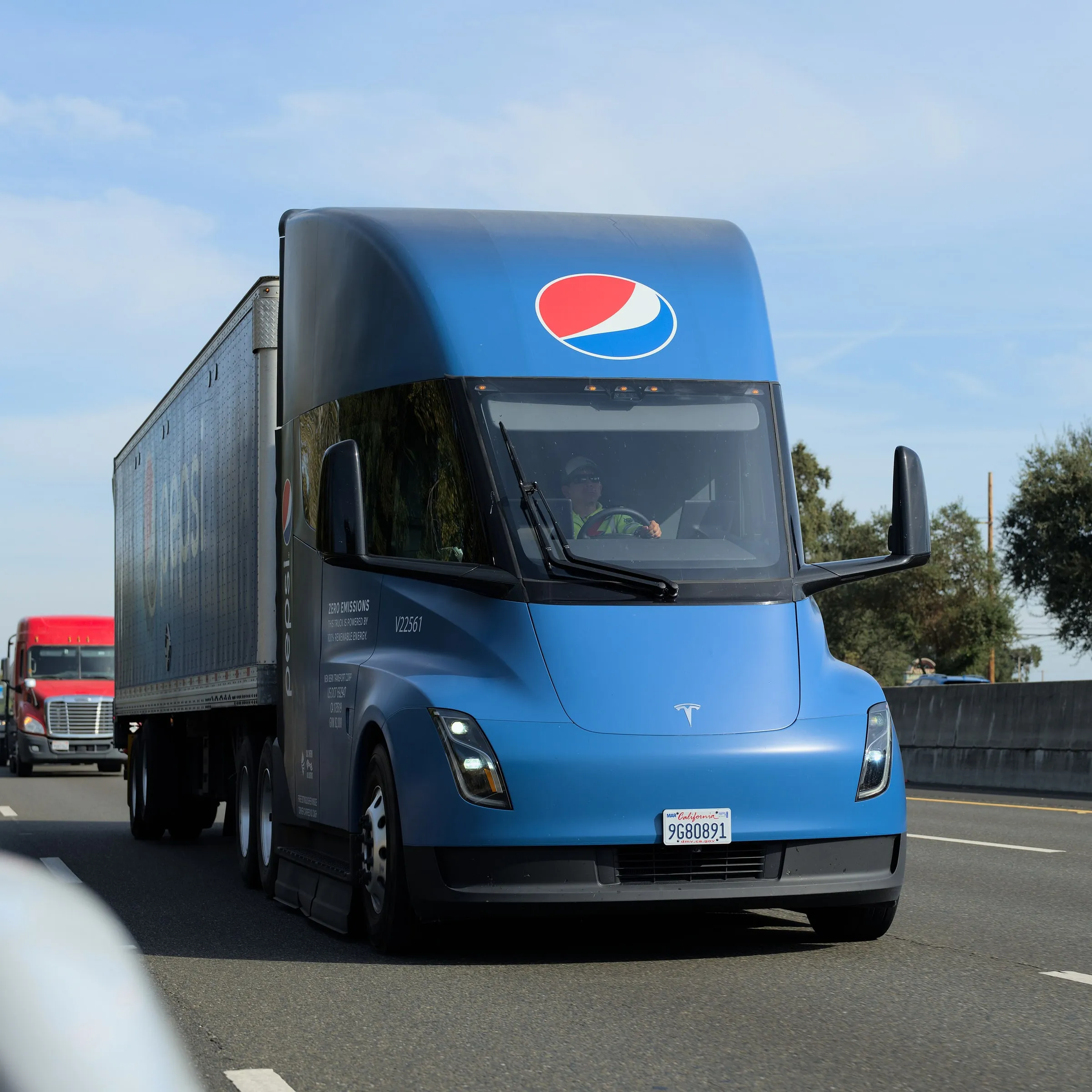
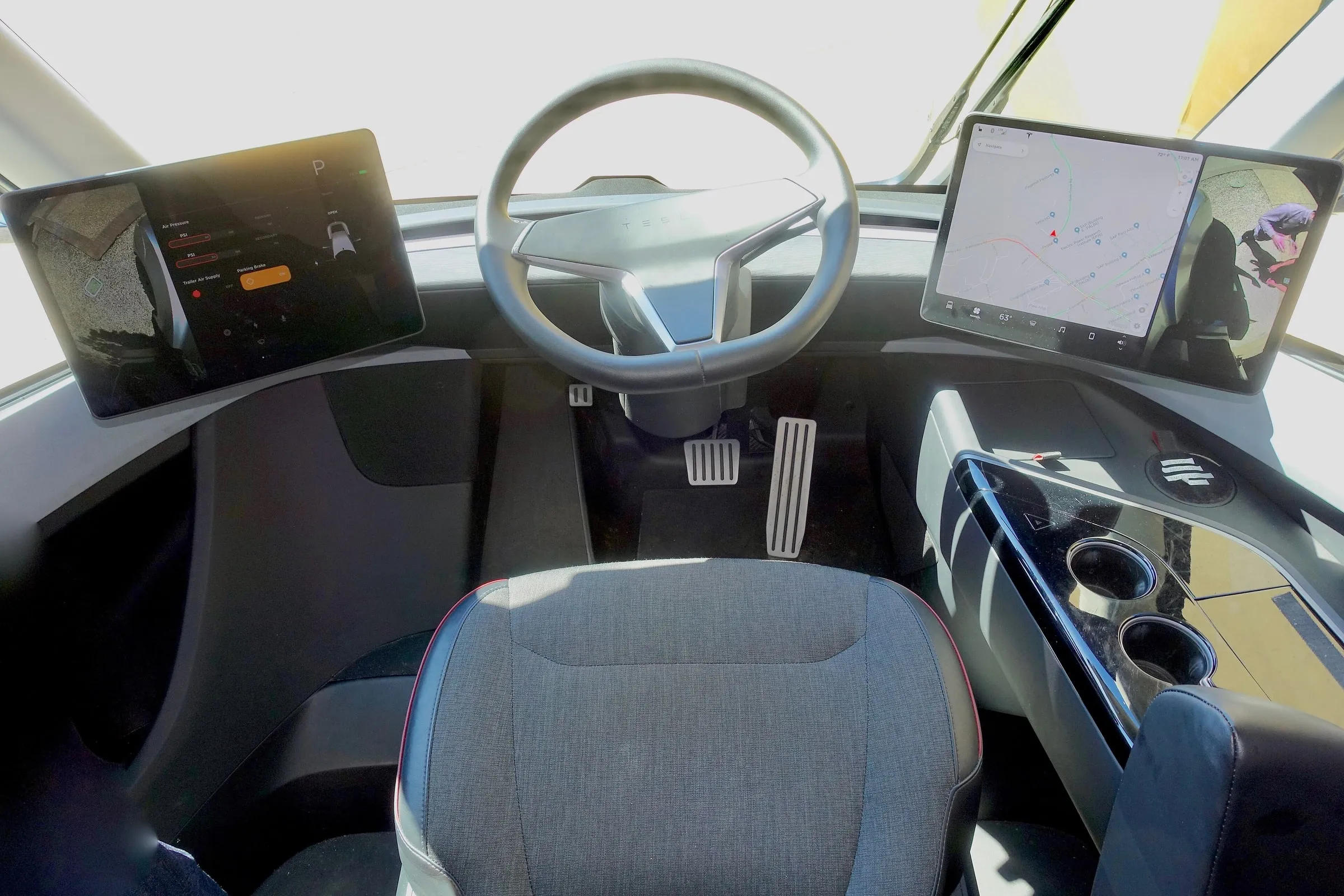
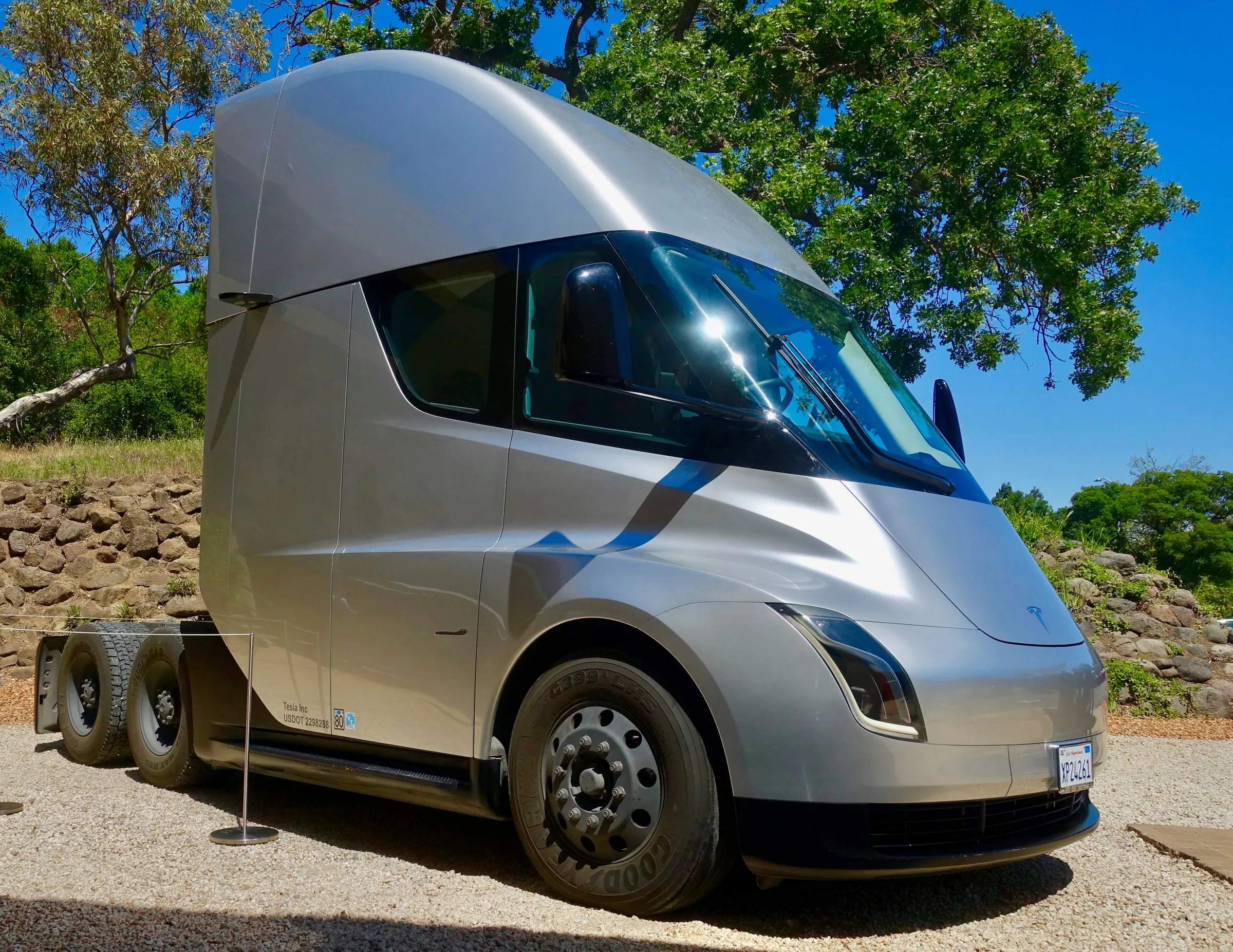
The Semi, promised for 2019, reached PepsiCo on 1 December 2022. Tesla says volume production began only this year, at a Nevada factory it opened in September.
35 months, for the Semi.
The late ones: Semi, Cybertruck, Model X.
2006
2006
Roadster, first generation
4 months late.
Deliveries “expected to begin next summer”. First production car to Elon Musk, then chairman. Regular production from March 2008.
Unveiled
19 July 2006
Promised
End of summer 2007
First delivery
February 2008
Eugene Zelenko / CC BY-SA 4.0
2009
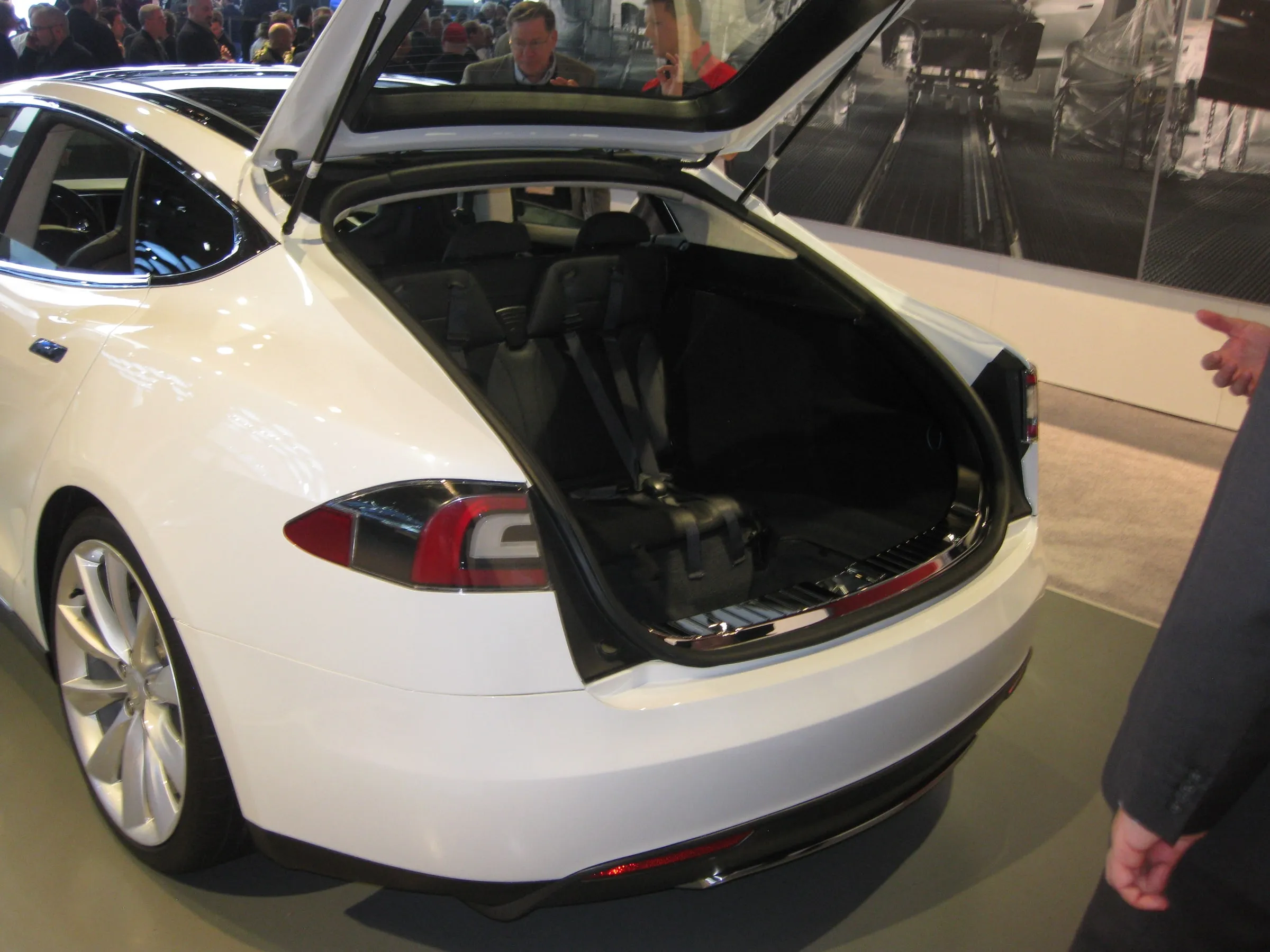
Model S
6 months late.
Production expected to start in “late 2011”. Production ended at Fremont on 10 May 2026.
Unveiled
26 March 2009
Promised
31 December 2011
First delivery
22 June 2012
Tokumeigakarinoaoshima / CC0
2012
Model X
17 months late.
Production in late 2013, significant deliveries in “early 2014”. Rescheduled to late 2014, then to Q3 2015. Production ended 10 May 2026.
Unveiled
9 February 2012
Promised
30 April 2014
First delivery
29 September 2015
Alexander Migl / CC BY-SA 4.0
2016
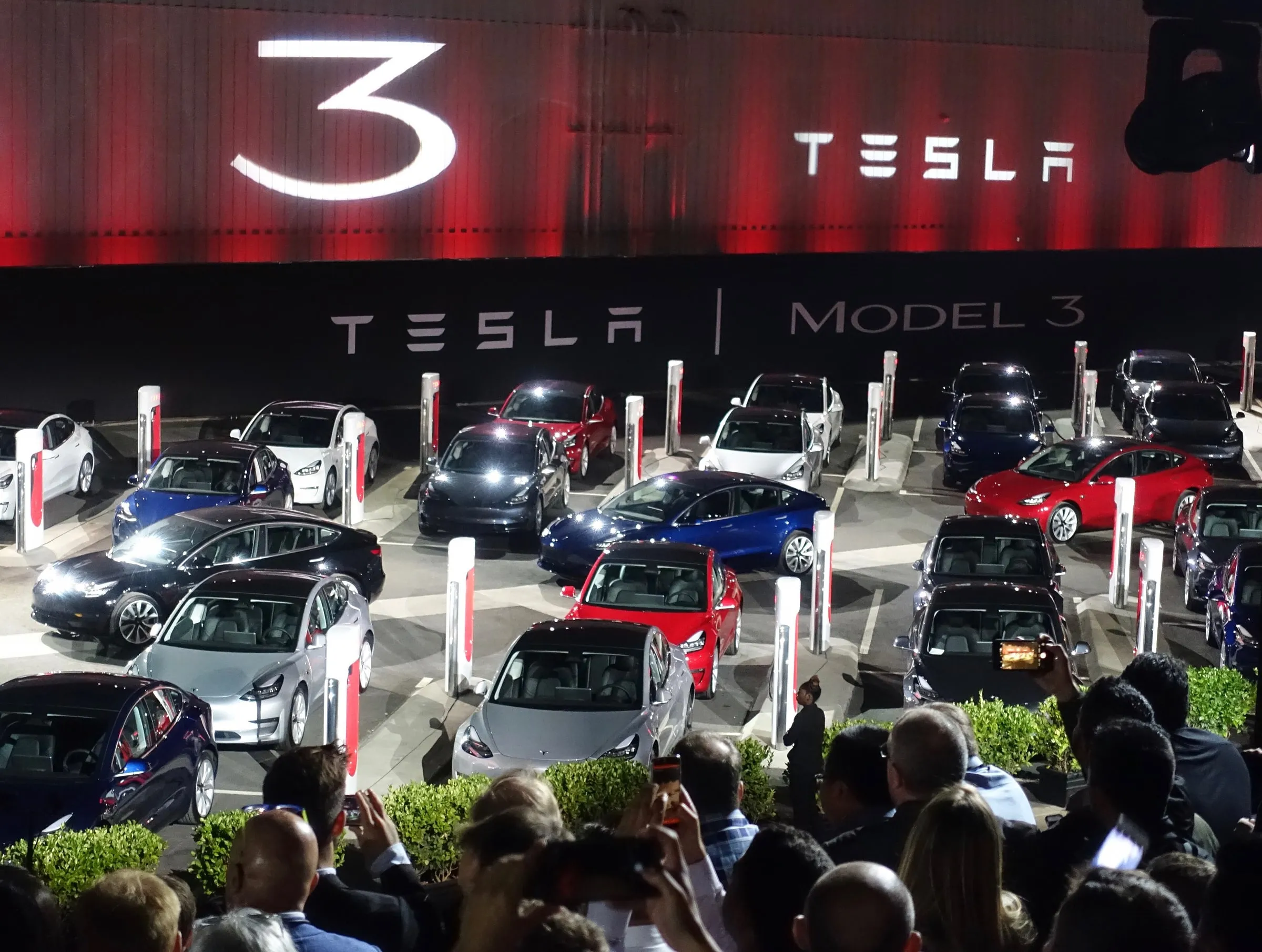
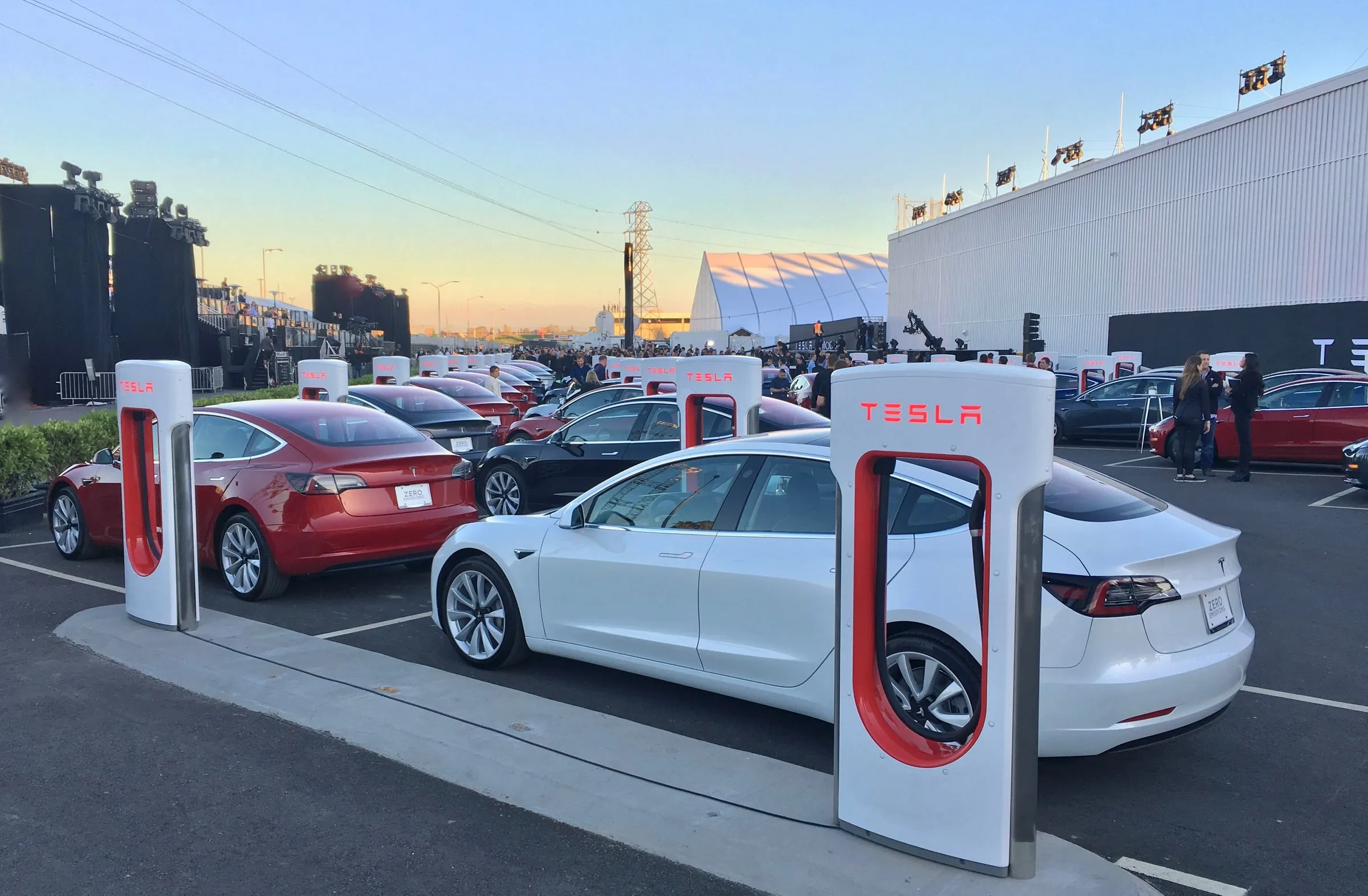
Model 3
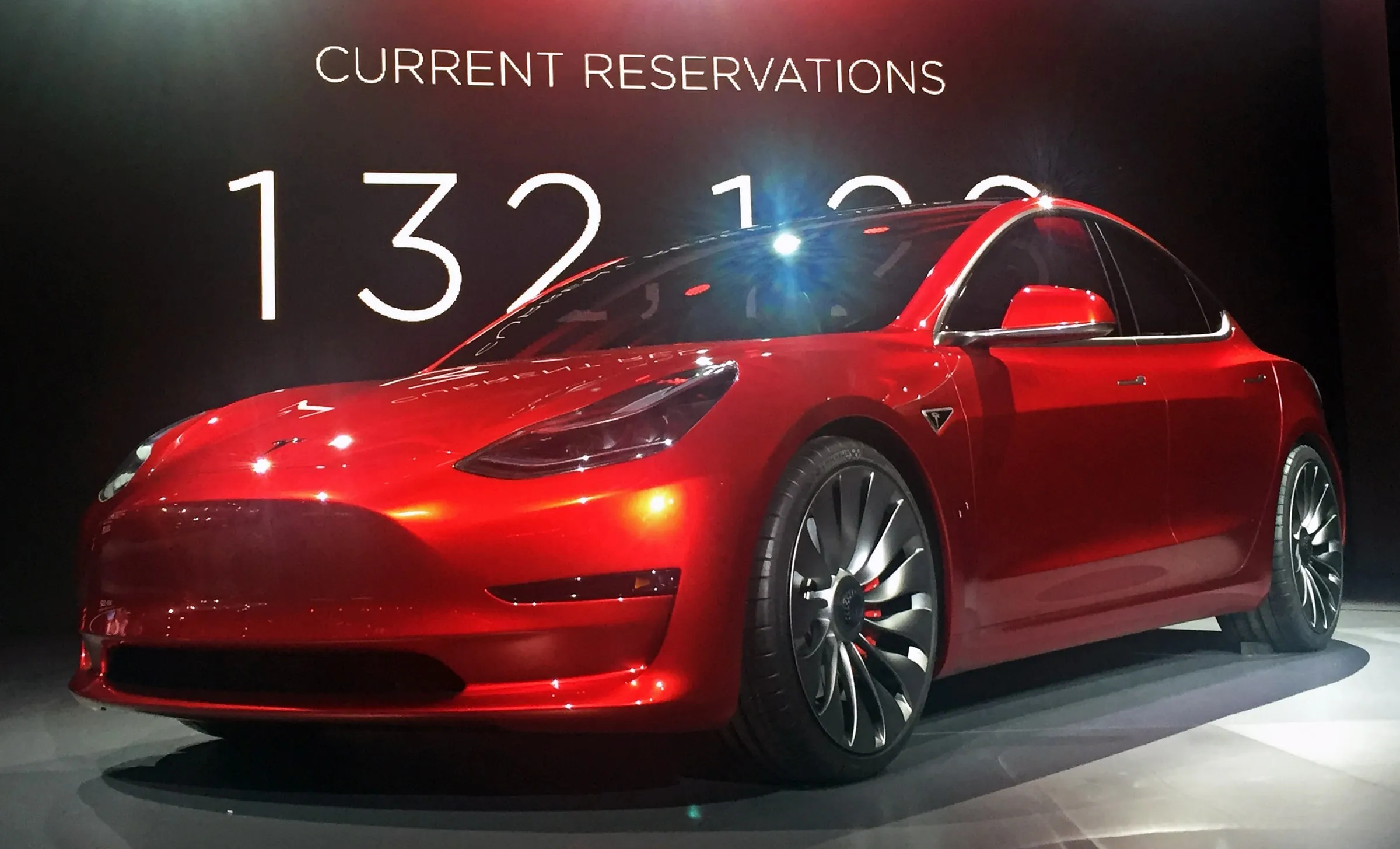
5 months early.
Deliveries to begin “late 2017”. First 30 cars to Tesla employees. The US$35,000 version went on sale on 28 February 2019.
Unveiled
31 March 2016
Promised
31 December 2017
First delivery
28 July 2017
Steve Jurvetson / CC BY 2.0
2017
Roadster, second generation
Not yet: 70 months and counting.
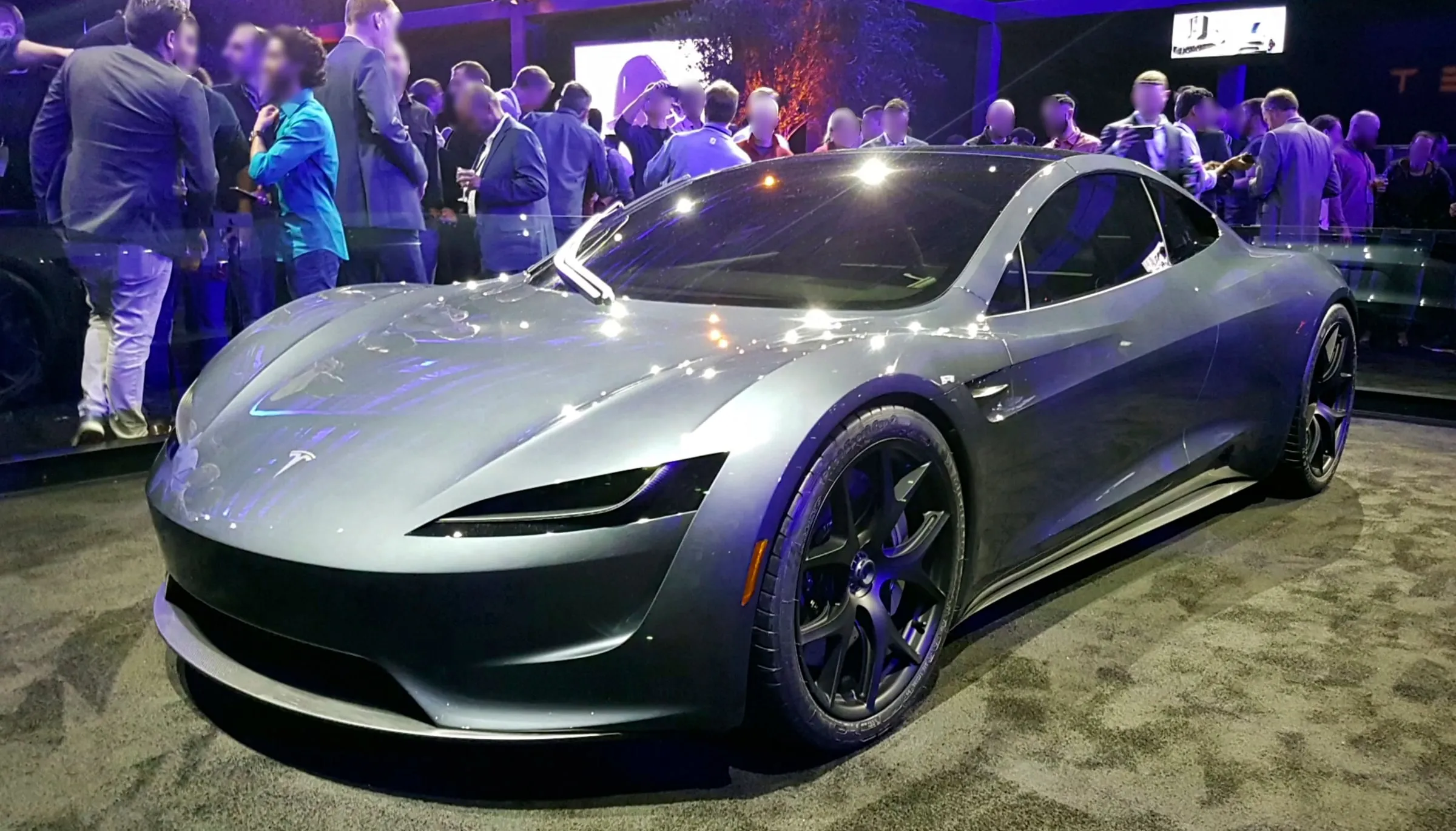
Available in 2020, from US$200,000. Shown again on 15 October 2026. Musk now says production starts in 2028.
Unveiled
16 November 2017
Promised
31 December 2020
First delivery
Not yet
Steve Jurvetson / CC BY 2.0
2017
Semi
35 months late.
Production to begin in 2019. First trucks to PepsiCo. Tesla says volume production began in 2026, at a Nevada factory opened in September.
Unveiled
16 November 2017
Promised
31 December 2019
First delivery
1 December 2022
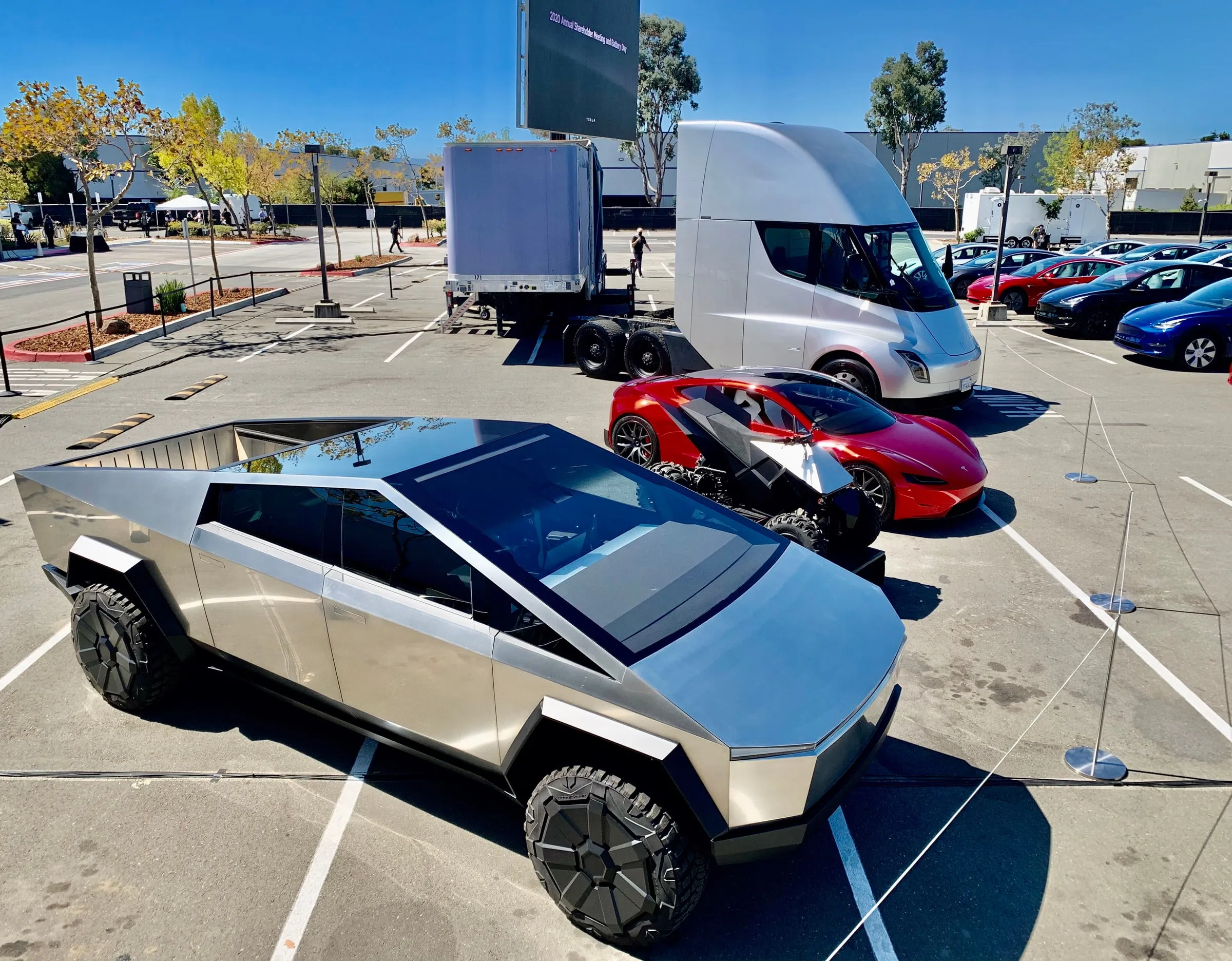
Korbitr / Public domain
2019
Model Y
9 months early.
First deliveries in “fall 2020”. Moved forward to summer 2020 in October 2019, then delivered in March.
Unveiled
14 March 2019
Promised
21 December 2020
First delivery
13 March 2020
Alexander Migl / CC BY-SA 4.0
2019
Cybertruck
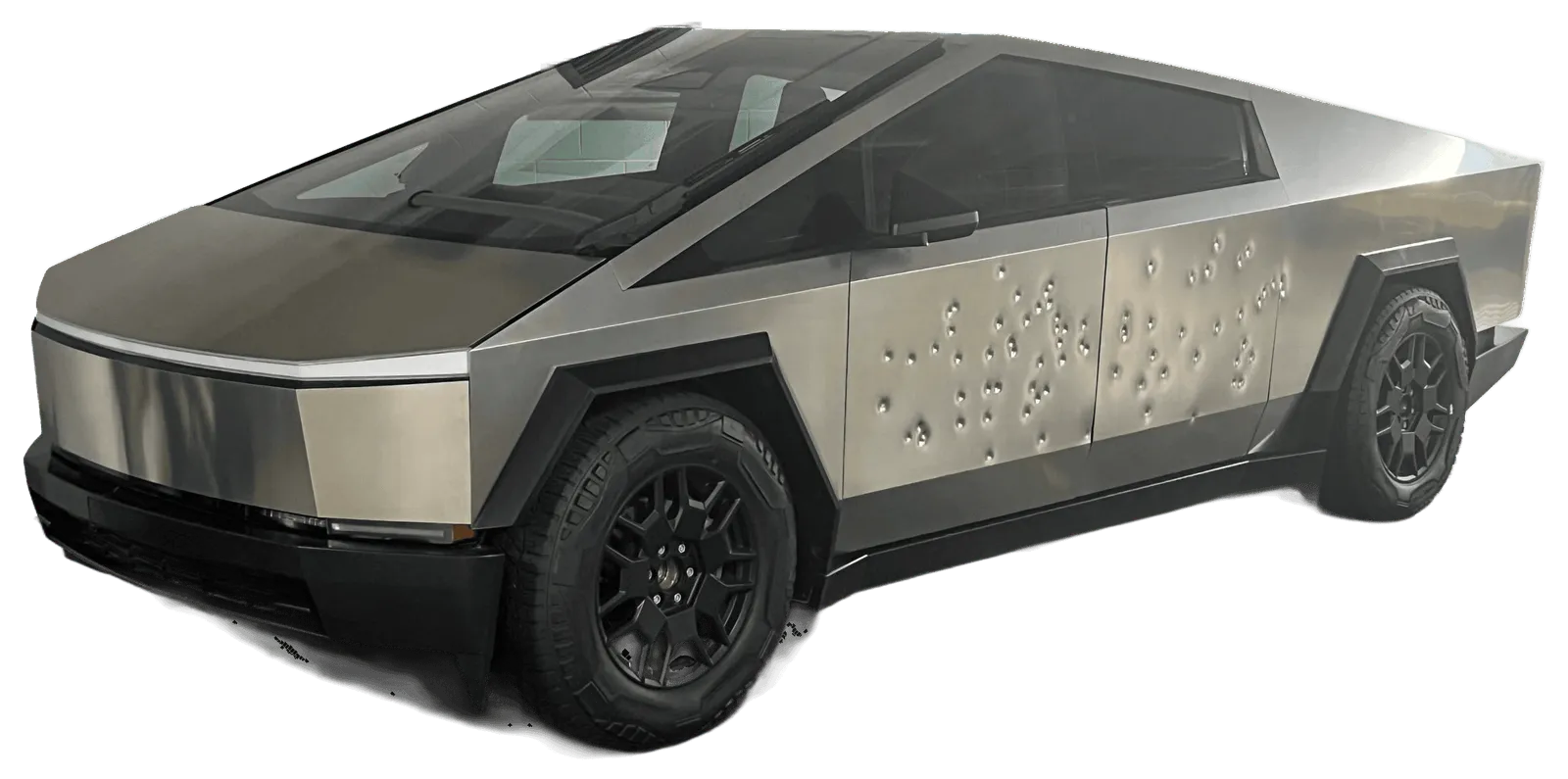
23 months late.
Production “expected to begin in late 2021”. Slipped to late 2022, then 2023. A first batch of about ten trucks handed over at Giga Texas.
Unveiled
21 November 2019
Promised
31 December 2021
First delivery
30 November 2023
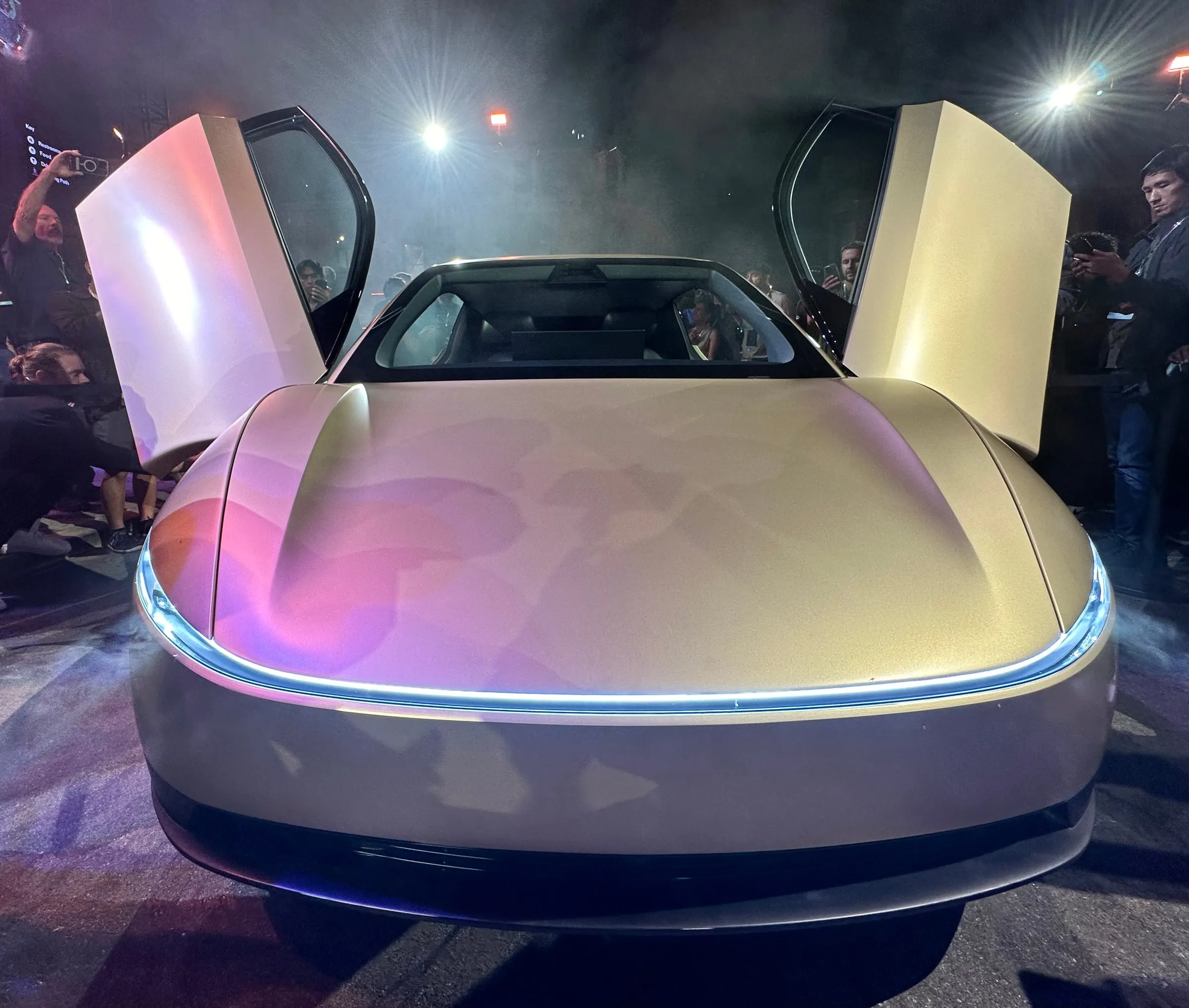
TaurusEmerald / CC BY-SA 4.0
2024
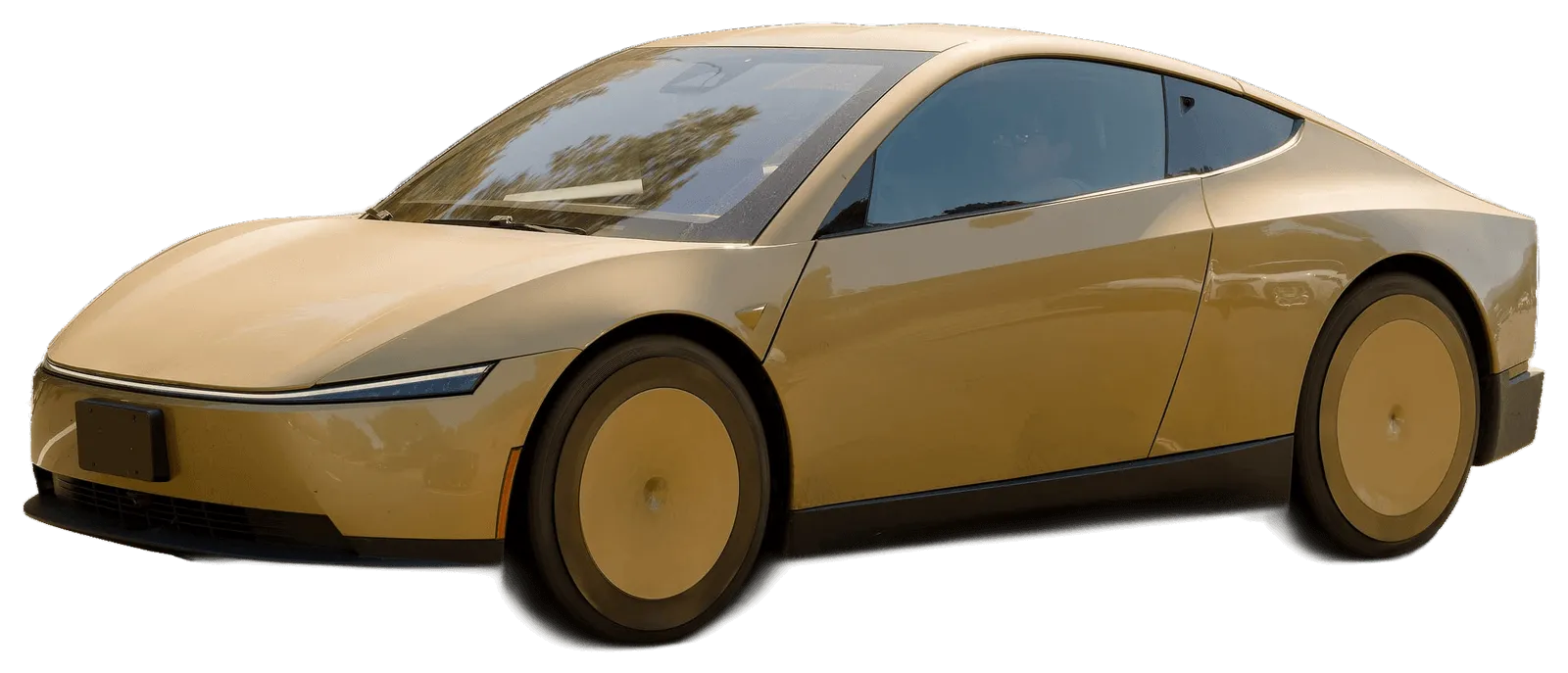
Cybercab
4 months early.
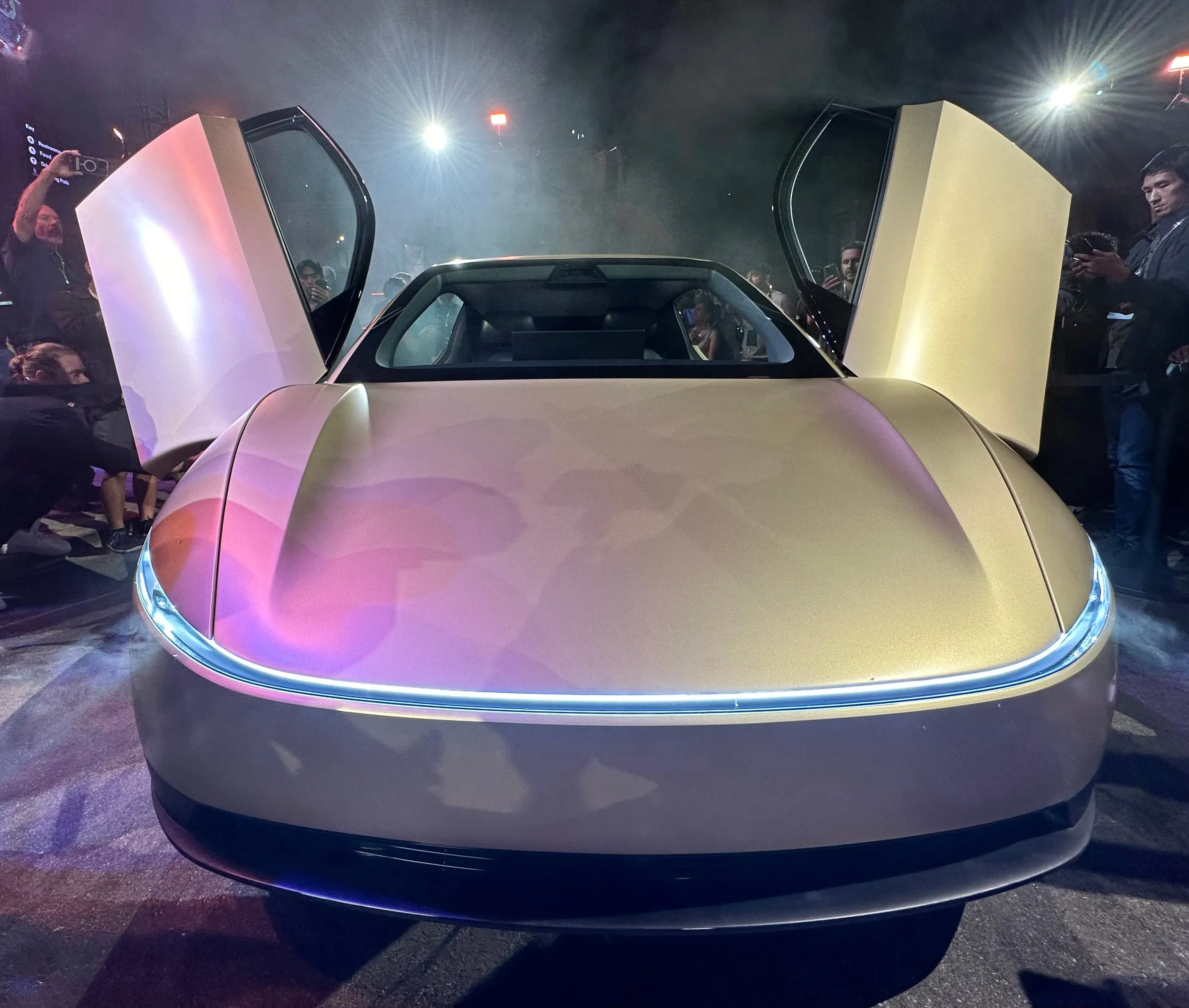
In production in 2026, “before 2027”. Production began at Giga Texas in April 2026. First Robotaxi rides in Cybercabs in Austin. Not yet sold; Tesla is aiming for first customer deliveries by the end of 2026.
Unveiled
10 October 2024
Promised
31 December 2026
First delivery
3 September 2026
Daniel Lu / CC BY-SA 4.0
01b · Early
Three came early,each with a footnote.
The first 30 Model 3s were handed over on 28 July 2017, five months before the “late 2017” Tesla had given, though all 30 went to employees and the US$35,000 version did not go on sale until February 2019. The Model Y, promised for fall 2020, was in customers’ hands by March 2020. The Cybercab, which Musk said would be in production in 2026, began carrying Robotaxi riders in Austin on 3 September 2026.
Early, sort of.
Employees first for the Model 3. Riders, not buyers, for the Cybercab.
Median gap between promise and first delivery, across the eight vehicles delivered
5 mo5 mo5 mo
Arrived before the promised date: Model 3, Model Y and Cybercab
3 of 83 of 83 of 8
The longest wait that has ended, for the Semi
35 mo35 mo35 mo
And counting, for the second Roadster, promised for 2020
70 mo70 mo70 mo
02 · Not yet
Promised for 2020.Now, 2028.
The second-generation Roadster is the one line on the chart that never closes.
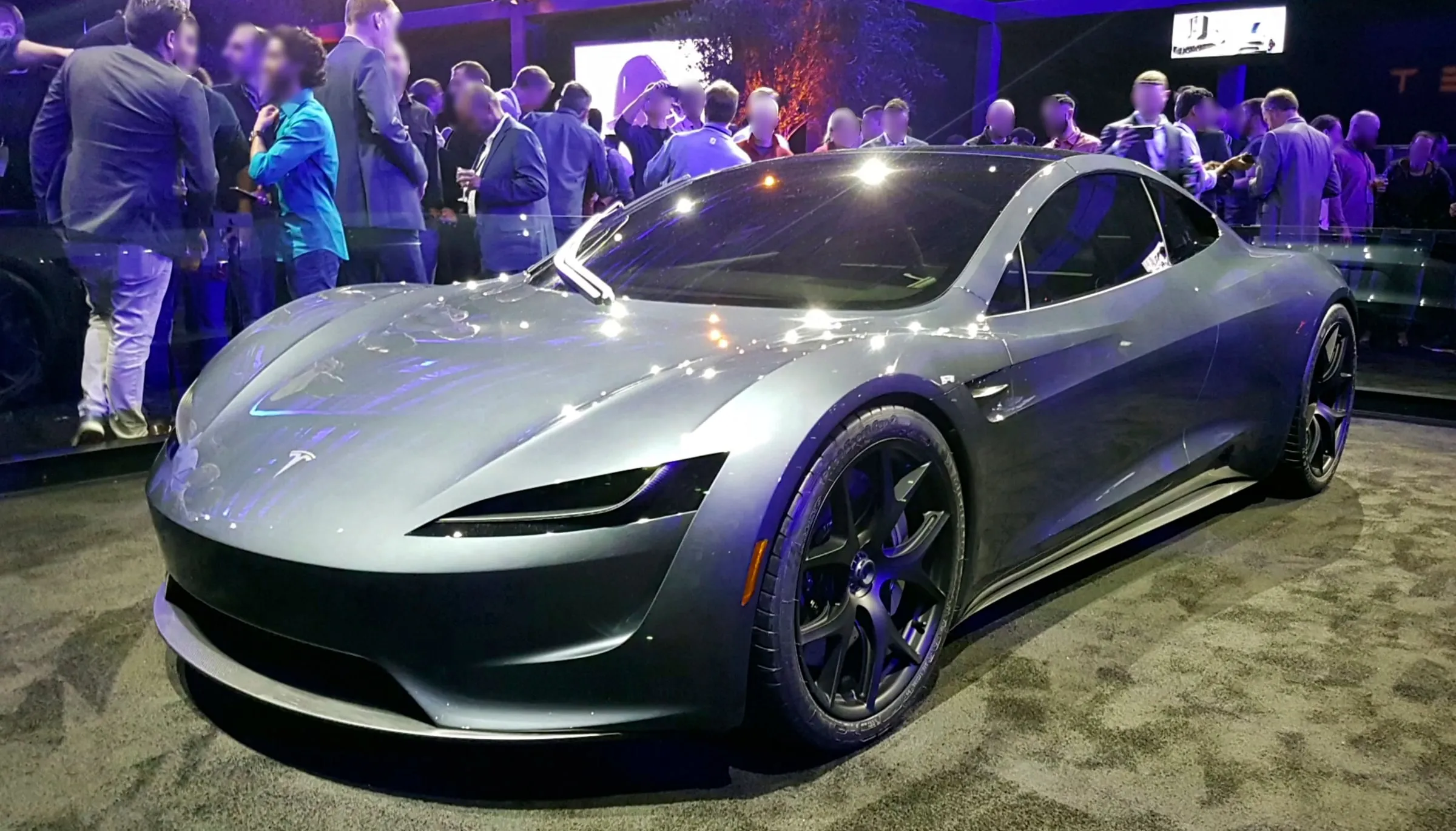
2020Roadster, second generation · promised from US$200,000Steve Jurvetson / CC BY 2.0
The second-generation Roadster rolled out of the back of a Semi trailer on 16 November 2017, priced from US$200,000 and promised for 2020. On 15 October 2026 Tesla showed it again, at a SpaceX test site in Texas, and Musk said production would start in 2028. Reservations reopened, with a US$50,000 deposit.
Second Roadster · 2 November 2026
70 months70 months70 months
Past the end of 2020, the date it was first promised for. No customer has one.
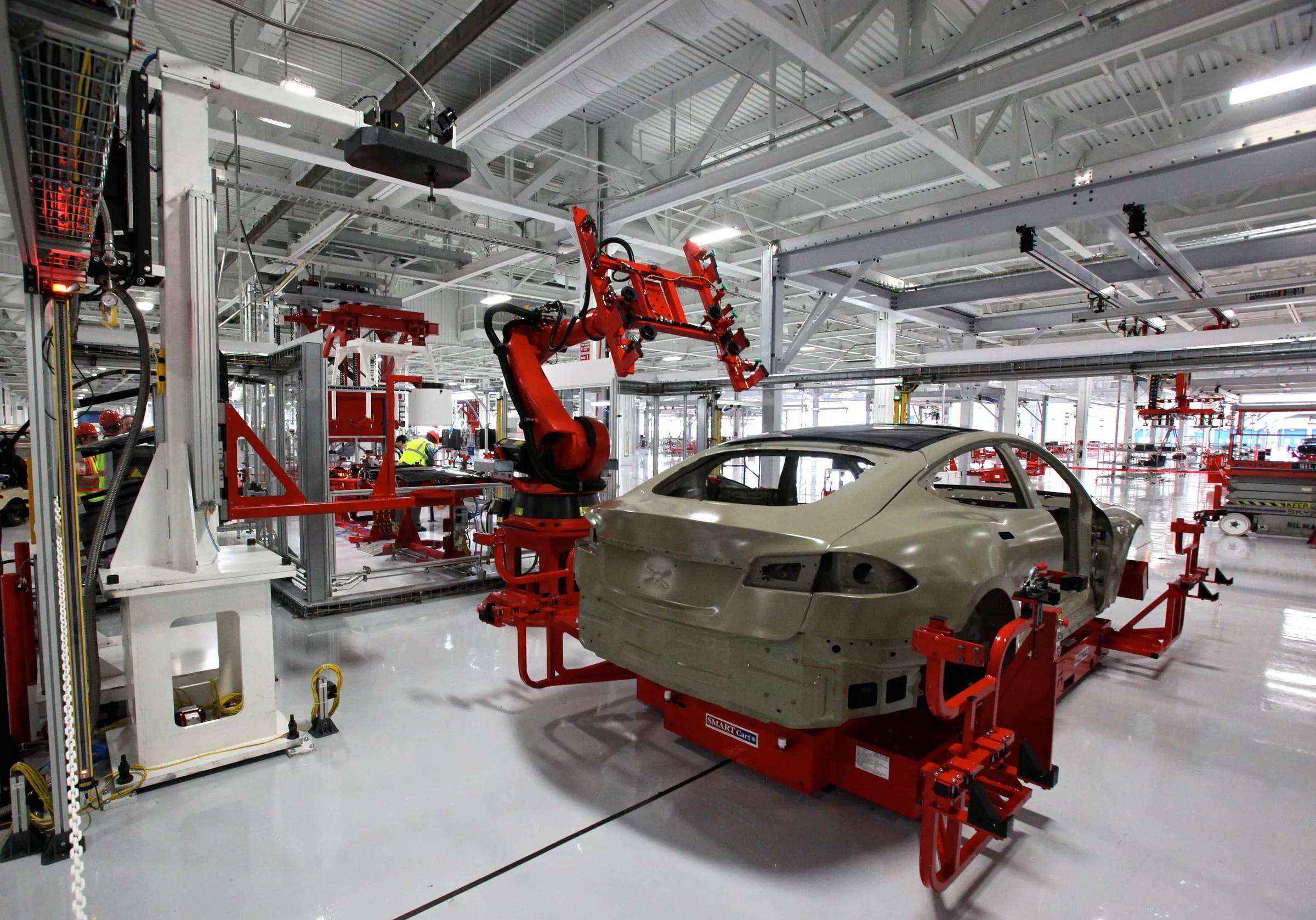
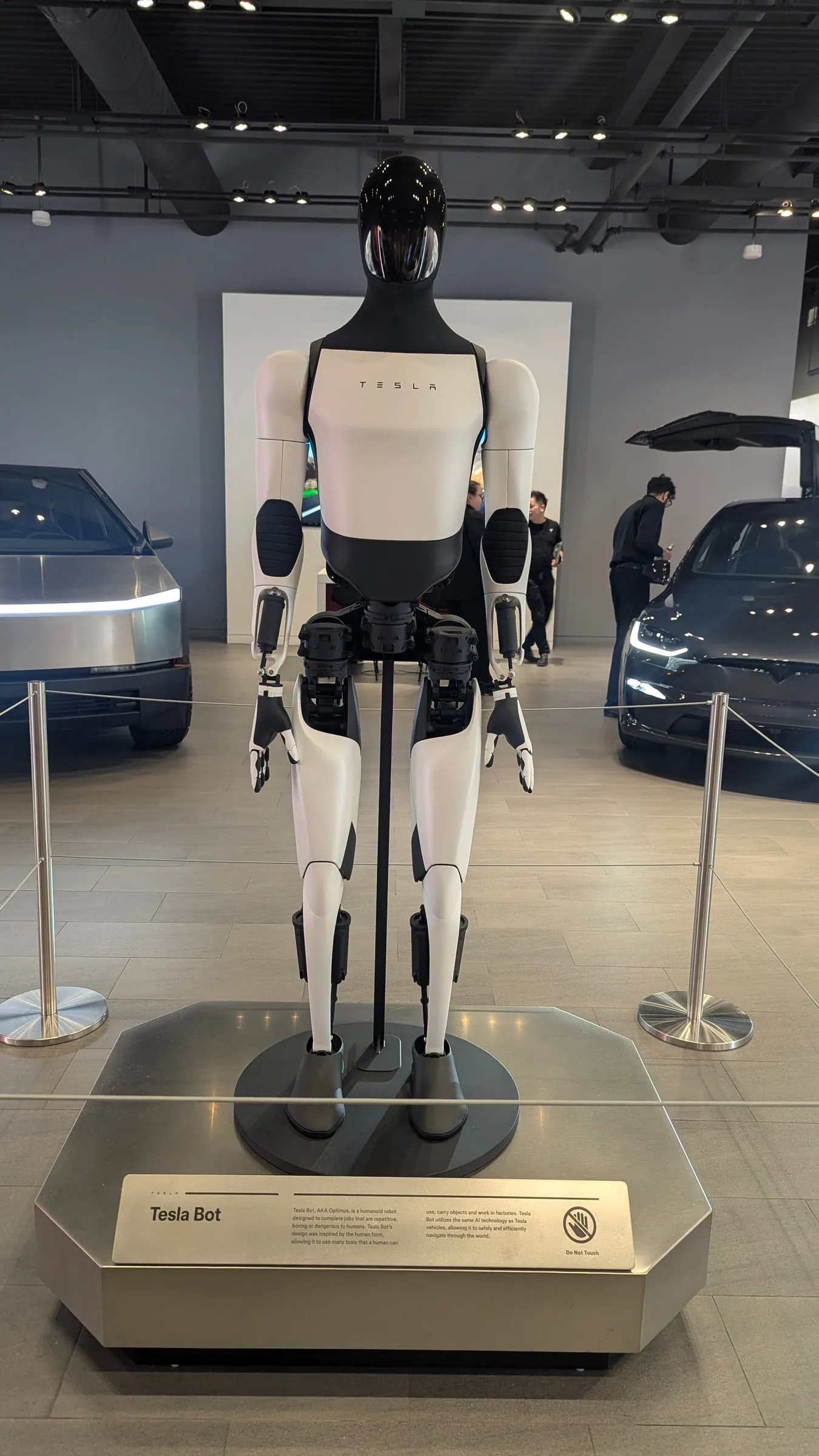
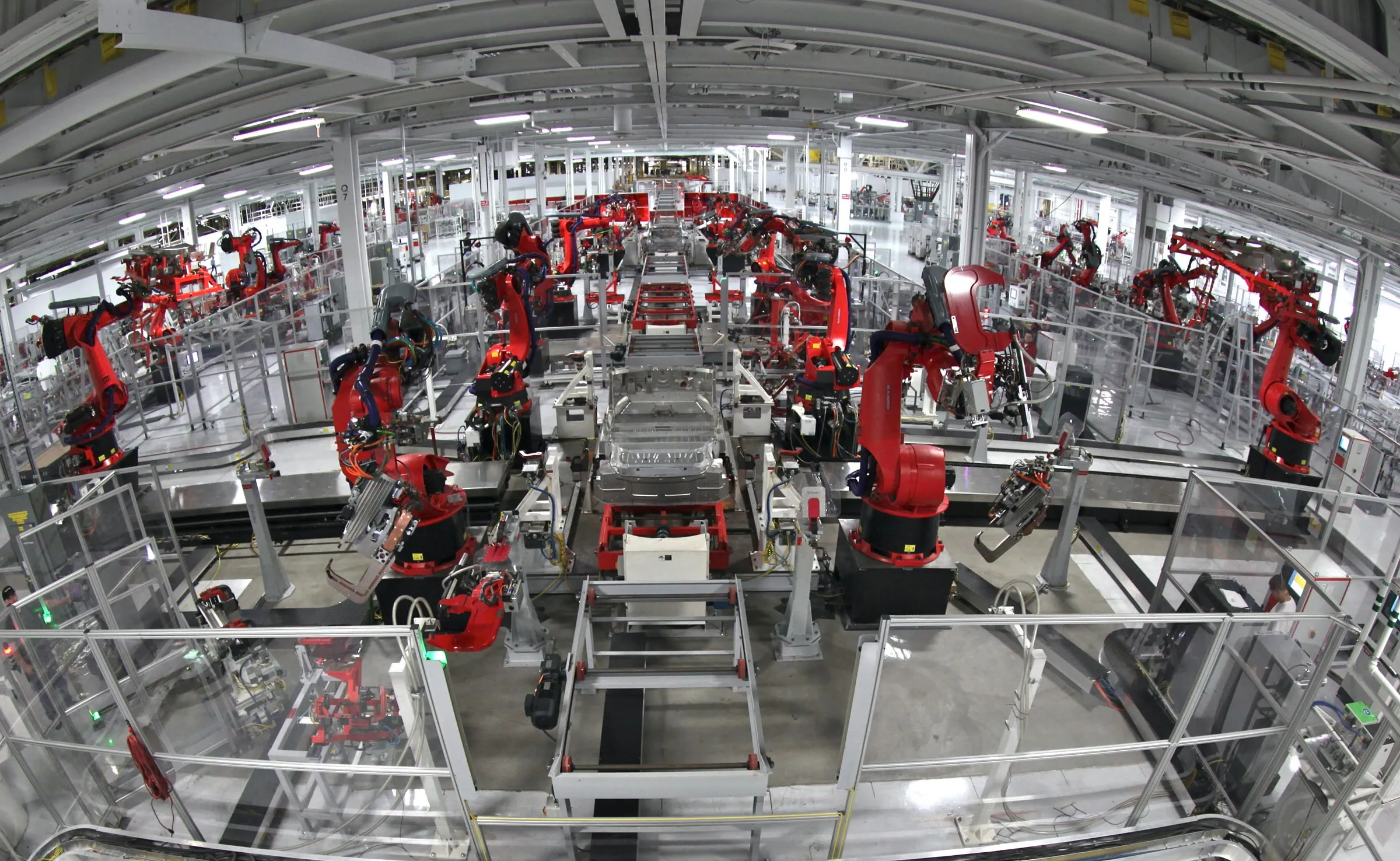
Two of these cars have already left the line. The last Model S and Model X were built at Fremont on 10 May 2026, after nearly fourteen and eleven years on sale. Tesla is converting the space to build its Optimus robot.
The S and the X, 2012 to 2026.
The last ones were built at Fremont on 10 May 2026.
Twelve dated forecasts, made in public by Musk or Tesla between 2015 and 2026.
Ian Maddox / CC BY-SA 4.0
A car has a delivery date you can check. Self-driving is harder to pin down, because the goal keeps changing shape: complete autonomy, a coast-to-coast demonstration, “feature complete”, a million robotaxis, “safer than human”, unsupervised rides.
Here are twelve dated forecasts made in public by Musk or Tesla between 2015 and 2026, plotted by when each was said against when it was due. A forecast due on the day it was made would sit on the diagonal. They all sit a short hop above it.
Median lead time
9 months9 months9 months
Between a self-driving forecast and its deadline. Ten have fallen due; one has arrived, seven months late.
Fig. 1 · Always next year
Every forecast was due within about two years. Nine were missed.
Twelve self-driving forecasts. Across: when it was said. Up: when it was due. A red line climbs from each missed deadline to today.
201620162018201820202020202220222024202420262026Due the day it was saidToday, 2 Nov 2026Said →Due ↑
01
02
03
04
05
06
07
08
09
10
11
12
Lead time
Deadline
Overdue, to today
Arrived
Still open
“This year” is read as 31 December of that year; “next year” as 31 December of the following year; “approximately two years” from December 2015 as December 2017. Only one forecast has a dated outcome: unsupervised rides in Austin, due in June 2025, began on 22 January 2026. Numbers match the list below.Twelve self-driving forecasts
Every forecast was due within about two years. Nine were missed.
Forecast
01
21 December 2015
Complete autonomy in about two years
31 December 2017
24
Missed
02
19 October 2016
Los Angeles to Times Square, hands off
31 December 2017
14
Missed
03
19 February 2019
Feature complete
31 December 2019
10
Missed
04
22 April 2019
A million robotaxis
31 December 2020
20
Missed
05
9 July 2020
Level five basics
31 December 2020
6
Missed
06
27 January 2021
Better than human
31 December 2021
11
Missed
07
26 January 2022
“Shocked” if not
31 December 2022
11
Missed
08
19 July 2023
The boy who cried FSD
31 December 2023
5
Missed
09
29 January 2025
Austin, no one aboard
30 June 2025
5
Arrived 22 January 2026
10
23 July 2025
Half the US
31 December 2025
5
Missed
11
18 May 2026
“Widespread”
31 December 2026
7
Open
12
21 October 2026
Owners join, Q2 2027
30 June 2027
8
Open
0121 Dec 2015Fortune interview
I think we will have complete autonomy in approximately two years.
MissedOwners’ cars still need a supervising driver.
0219 Oct 2016Tesla press call
A fully autonomous drive from a home in Los Angeles to Times Square by the end of next year.
MissedThe demonstration drive never took place.
0319 Feb 2019ARK Invest podcast
I think we will be feature complete, full self-driving, this year.
Missed
0422 Apr 2019Autonomy Day
Next year, for sure, we will have over a million robotaxis on the road.
MissedTesla’s first Robotaxi rides came in June 2025.
059 Jul 2020World AI Conference, Shanghai
I remain confident that we will have the basic functionality for level five autonomy complete this year.
Missed
0627 Jan 2021Q4 2020 results call
Musk said he was highly confident the car will be able to drive itself with reliability in excess of human this year.
Missed
0726 Jan 2022Q4 2021 results call
I would be shocked if we do not achieve full self-driving safer than human this year.
Missed
0819 Jul 2023Q2 2023 results call
I know I’m the boy who cried FSD, but man, I think we’ll be better than human by the end of this year.
Missed
0929 Jan 2025Q4 2024 results call
An initial paid launch of unsupervised, no one in the car, full self-driving in Austin in June.
7 months lateOpened 22 June 2025 with a safety monitor on board. First rides with no one in the car: 22 January 2026.
1023 Jul 2025Q2 2025 results call
Autonomous ride-hailing for probably half the population of the US by the end of the year, subject to regulatory approval.
Missed
1118 May 2026Smart Mobility Summit, by video
Driverless operation probably will be widespread in the U.S. by end of this year.
OpenDue 31 December 2026.
1221 Oct 2026Q3 2026 results call
Ashok Elluswamy, Tesla’s head of AI software, on owners’ cars joining the Robotaxi fleet inside its service areas: We suspect somewhere around Q2 next year.
OpenDue 30 June 2027.
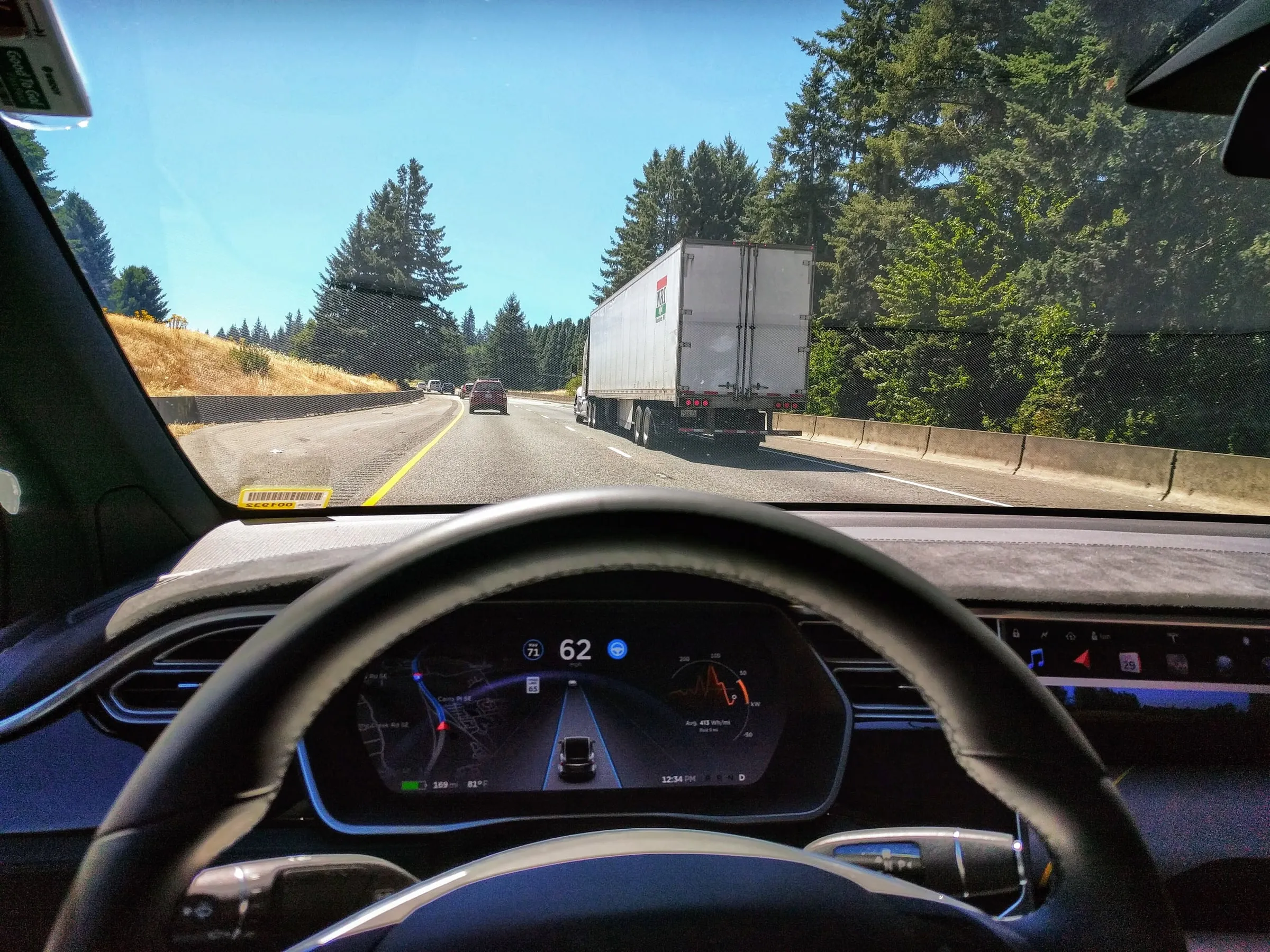
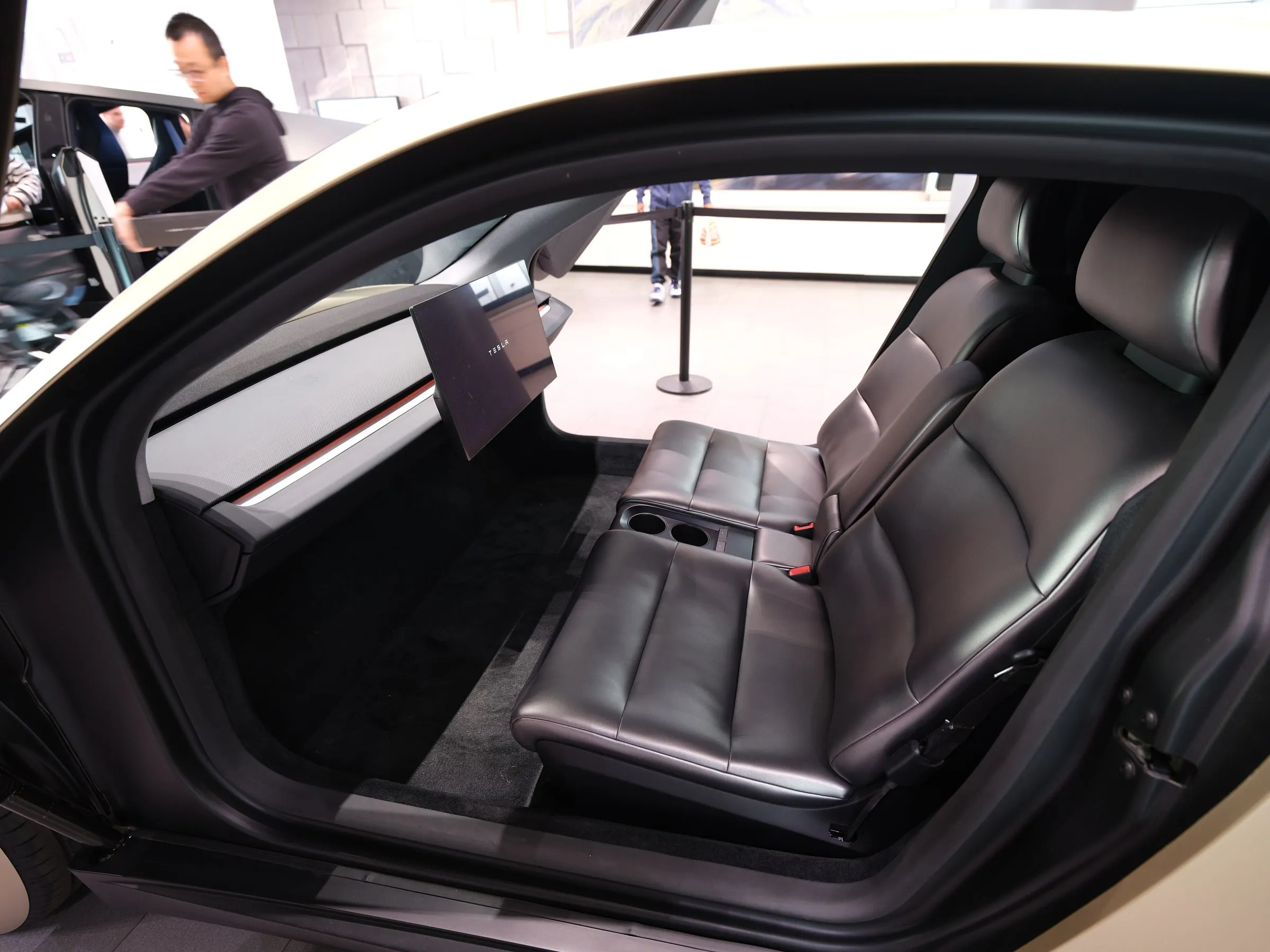
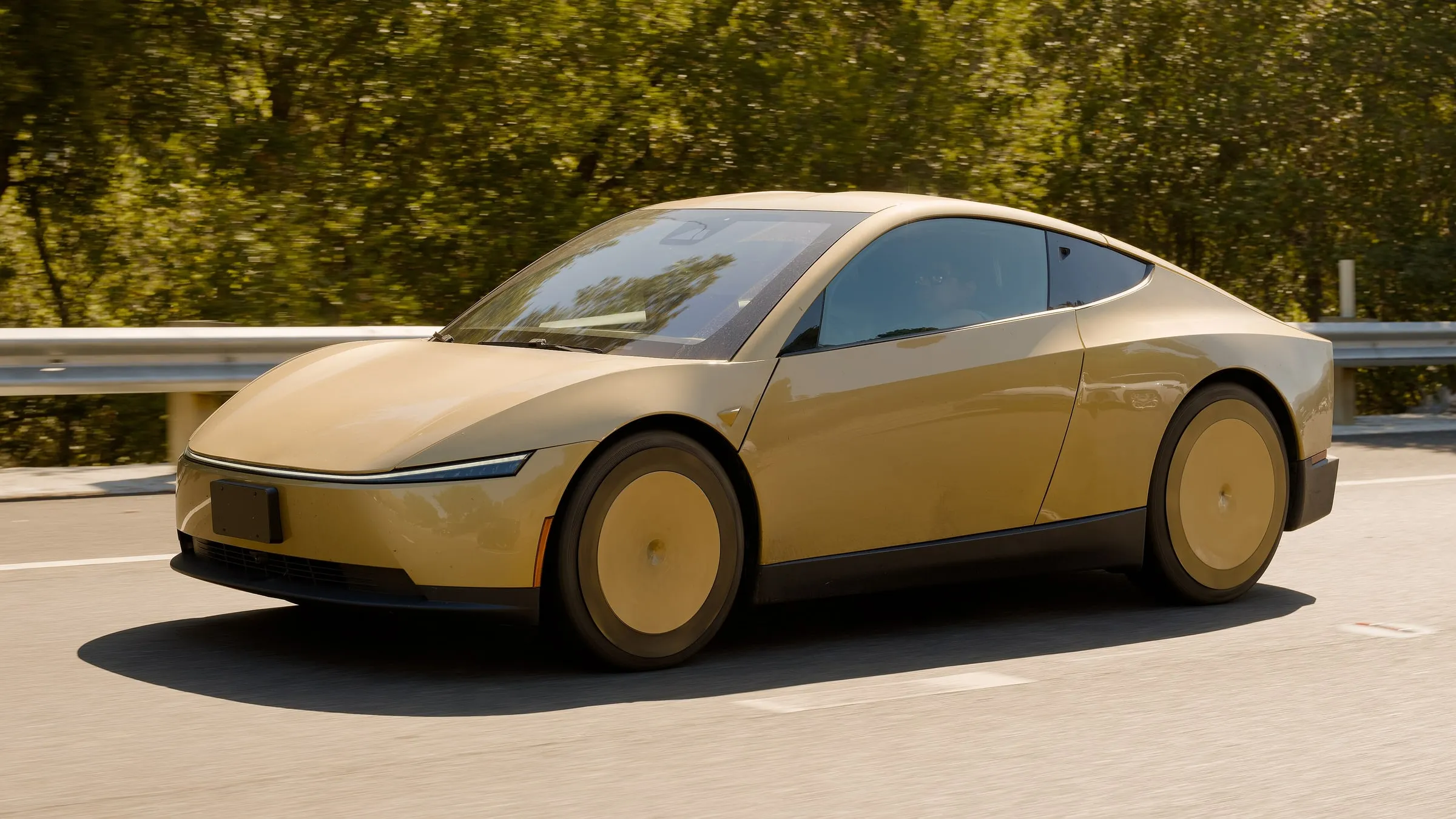
What did arrive is real, and narrower than the forecasts. FSD (Supervised), the version owners buy, still needs a driver watching at all times. Tesla’s Robotaxi service opened in Austin on 22 June 2025 with an employee in the front passenger seat. On 22 January 2026 Musk posted that rides had begun there with no safety monitor in the car, mixed in with monitored ones. Cybercabs, with no steering wheel or pedals, joined the Austin fleet in September.
What did arrive.
Supervised driving for owners, and a small driverless fleet in Austin.
Scroll →
SupervisedHands near the wheelFSD (Supervised), the version owners buy, still needs a driver watching at all times.Ian Maddox / CC BY-SA 4.0
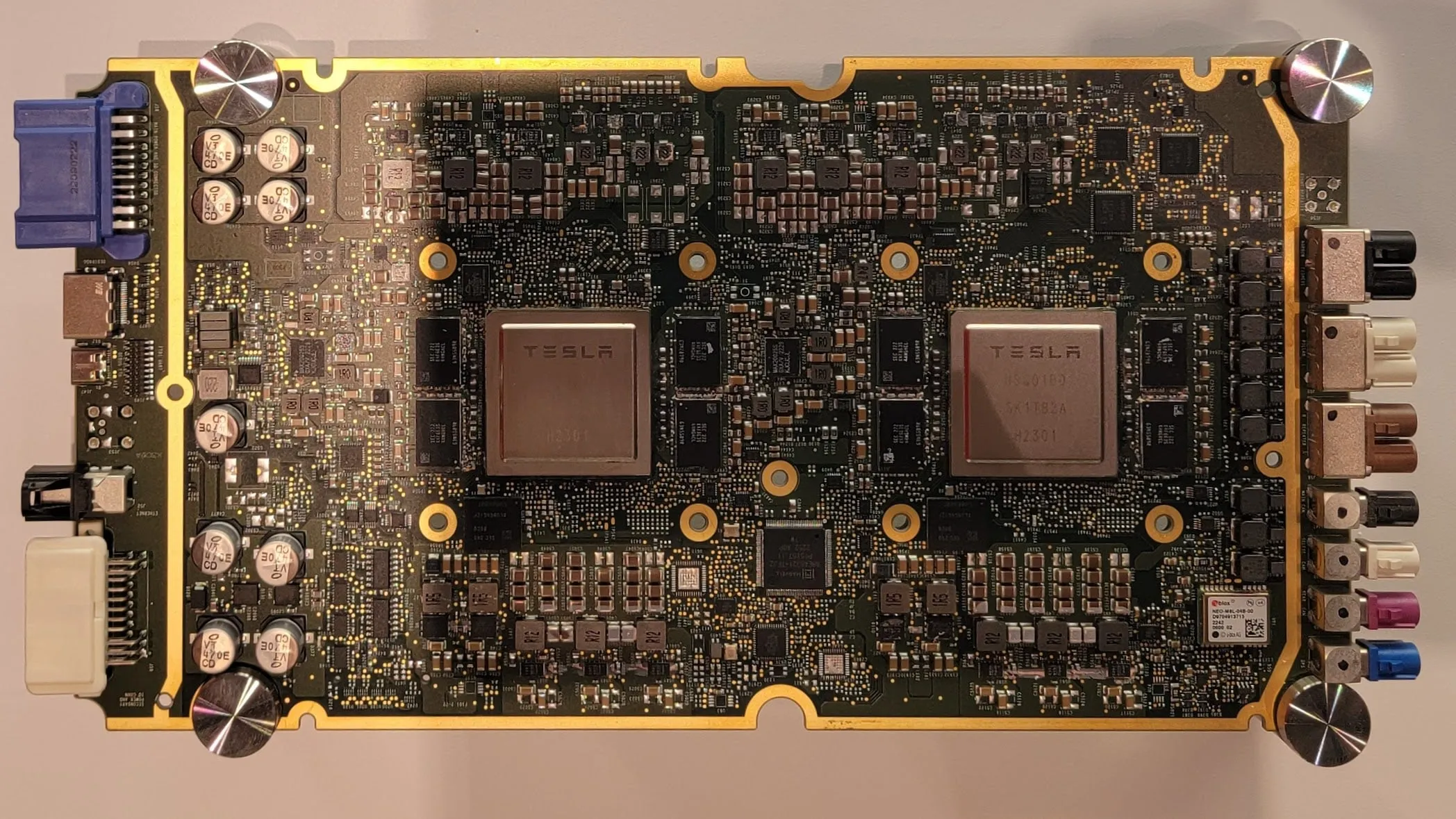
HardwareThe self-driving computerThe board that runs Tesla’s driver-assistance software.Votpuske / CC BY 4.0
September 2026No wheel, no pedalsCybercabs joined the Austin Robotaxi fleet in September.Dllu / CC BY-SA 4.0
AustinRobotaxiRides with no safety monitor began on 22 January 2026, mixed in with monitored ones.Daniel Lu / CC BY-SA 4.0
Musk knows the pattern. On the July 2023 call he prefaced that year’s forecast with a joke at his own expense.
“
I know I’m the boy who cried FSD, but man, I think we’ll be better than human by the end of this year.
Elon MuskTesla Q2 2023 results call, 19 July 2023
04 · Deliveries
On volume,it mostly does what it says.
The numbers Tesla gives each January are a different kind of promise, and a far more reliable one.
Steve Jurvetson / CC BY 2.0
In the six years Tesla named a firm figure or range for annual deliveries, it finished within 10% of the bottom of it every time, and four times within about two per cent.
Fig. 2 · Guidance
Six annual targets, all within 10%
Full-year deliveries as a share of the low end of Tesla’s guidance for that year.
Within 10%88%90%95%Target105%
201490%31,655 against “over 35,000 Model S”
2015101%50,580 against “50,000–55,000”
201695%76,230 against “80,000–90,000”
2019102%367,500 against “360,000–400,000”
202099.9%499,550 against “500,000”
2023100.5%1,808,581 against “about 1.8 million”
Guidance as first given for the year: 2014 “over 35,000” Model S (cut to about 33,000 in November 2014), 2015 50,000–55,000, 2016 80,000–90,000, 2019 360,000–400,000, 2020 500,000, 2023 about 1.8 million. Tesla gave no firm number in other years.Annual guidance and deliveries
Six annual targets, all within 10%
2014
over 35,000 Model S
31,655
90%
2015
50,000–55,000
50,580
101%
2016
80,000–90,000
76,230
95%
2019
360,000–400,000
367,500
102%
2020
500,000
499,550
99.9%
2023
about 1.8 million
1,808,581
100.5%
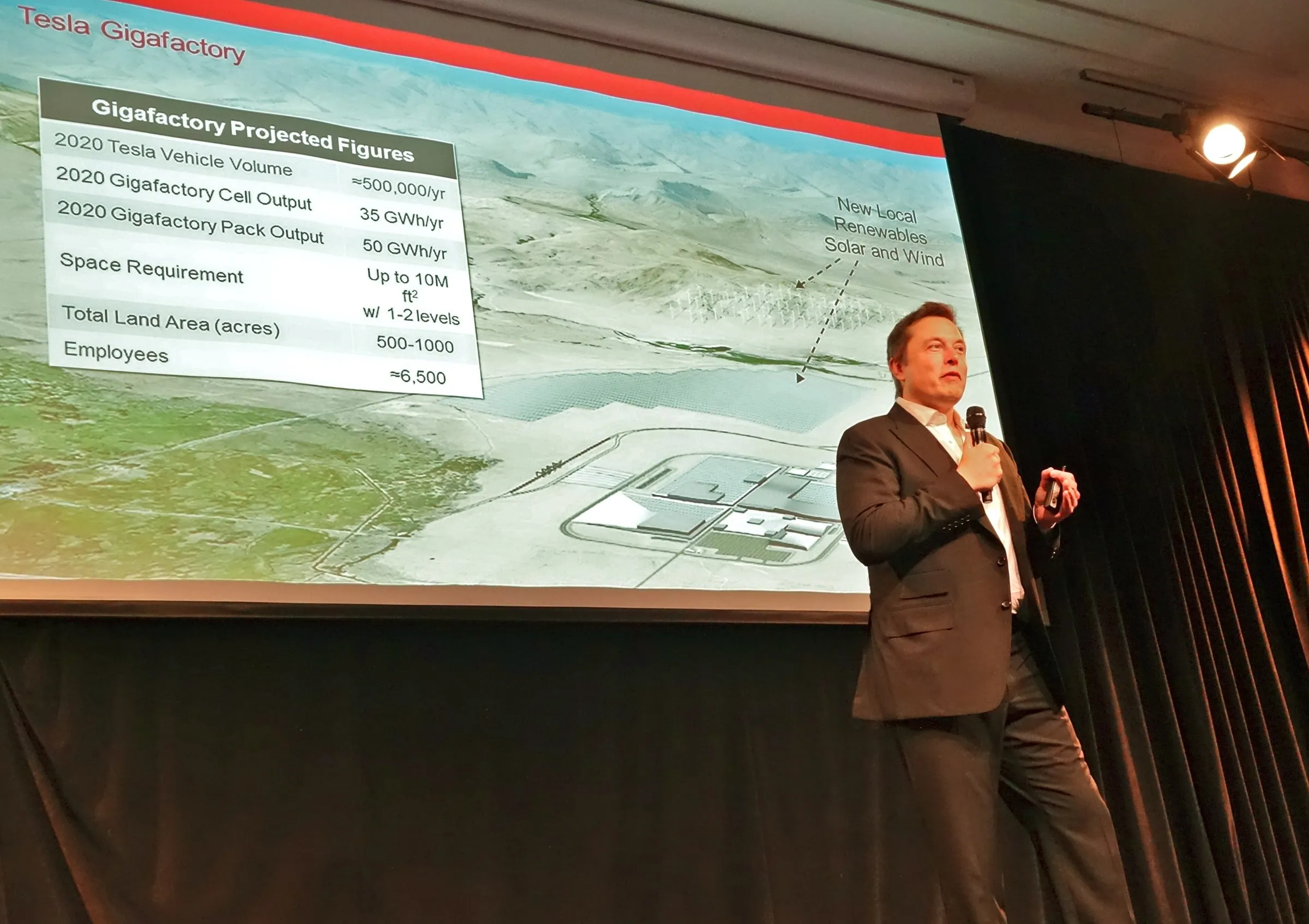
2020 is the famous one. Tesla had been aiming for half a million cars a year by 2020 since its Gigafactory plans of 2014, and kept the target after the pandemic shut its Fremont factory for about seven weeks.
Musk describing the Gigafactory. The half-million target was set alongside it.Steve Jurvetson / CC BY 2.0
2020 · target 500,000
499,550499,550499,550
Cars delivered in 2020: 450 short of half a million.
The long-range aim fared worse. From January 2021 Tesla told investors it expected “50% average annual growth in vehicle deliveries” over a multi-year horizon. For three years it ran ahead of that pace. Then growth stopped. Deliveries slipped in 2024, for the first time in Tesla’s history, and fell 9% in 2025. In May 2024 the goal of 20 million cars a year by 2030 dropped out of Tesla’s impact report.
Fig. 3 · Deliveries
Ahead of the 50% path for three years, then flat
Vehicles delivered each year, 2012 to 2025, and January to September 2026. Dashed line: 50% annual growth from 2020, Tesla’s stated aim from January 2021.
00.5m1m1.5m2m
2012
2013
2014
2015
2016
2017
2018
2019
499,5502020
2021
2022
1,808,5812023
2024
1,636,1292025
1,324,6812026Jan–Sep
50% a year from 2020
Totals are the figures Tesla first announced for each year; Tesla says final numbers can vary by up to 0.5%. 2017 is about 103,000, and 2012 is approximate (about 2,650 Model S). 2026 is split into Q1 358,023, Q2 480,126 and Q3 486,532.Tesla deliveries by year
Ahead of the 50% path for three years, then flat
2012
about 2,650
–
2013
22,477
+748.2%
2014
31,655
+40.8%
2015
50,580
+59.8%
2016
76,230
+50.7%
2017
about 103,000
+35.1%
2018
245,240
+138.1%
2019
367,500
+49.9%
2020
499,550
+35.9%
2021
936,172
+87.4%
2022
1,313,851
+40.3%
2023
1,808,581
+37.7%
2024
1,789,226
-1.1%
2025
1,636,129
-8.6%
2026 (Jan–Sep)
1,324,681
+8.8% on Jan–Sep 2025
2026 has turned back up. Tesla delivered 1,324,681 vehicles in the first nine months, 8.8% more than in the same stretch of 2025.
2026 so far
Vehicles delivered, January to September 2026
1,324,6811,324,6811,324,681
On the same nine months of 2025
+8.8%+8.8%+8.8%
Delivered in the third quarter, the best of the three
486,532486,532486,532
Where the volume comes from.
The factories and the network behind the January numbers.
Scroll →
Fremont, CaliforniaWhere it startedThe S and X were built here for nearly fourteen and eleven years.Steve Jurvetson / CC BY 2.0
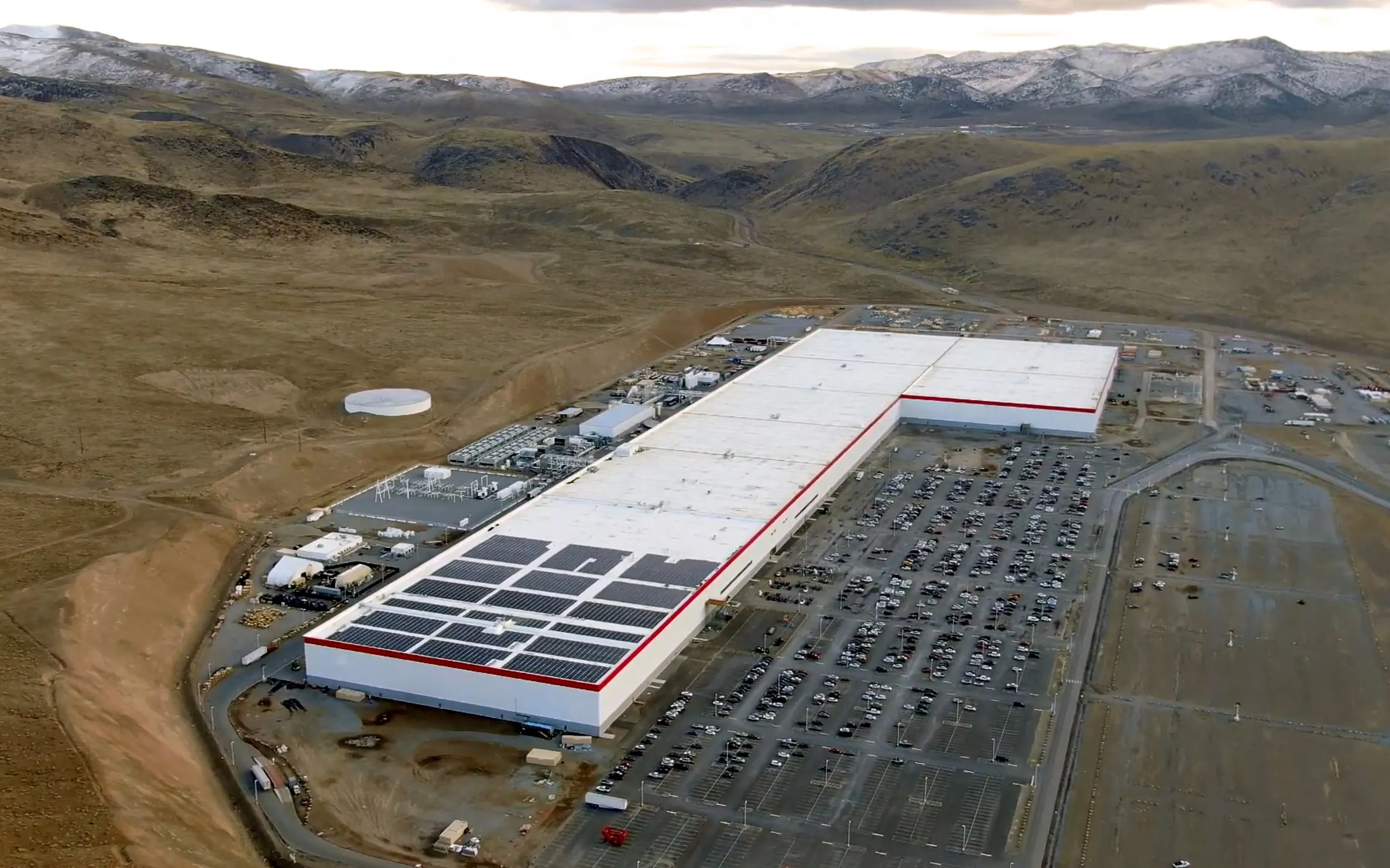
NevadaThe GigafactoryPlanned in 2014, alongside the aim of half a million cars a year by 2020.Smnt / CC BY-SA 4.0
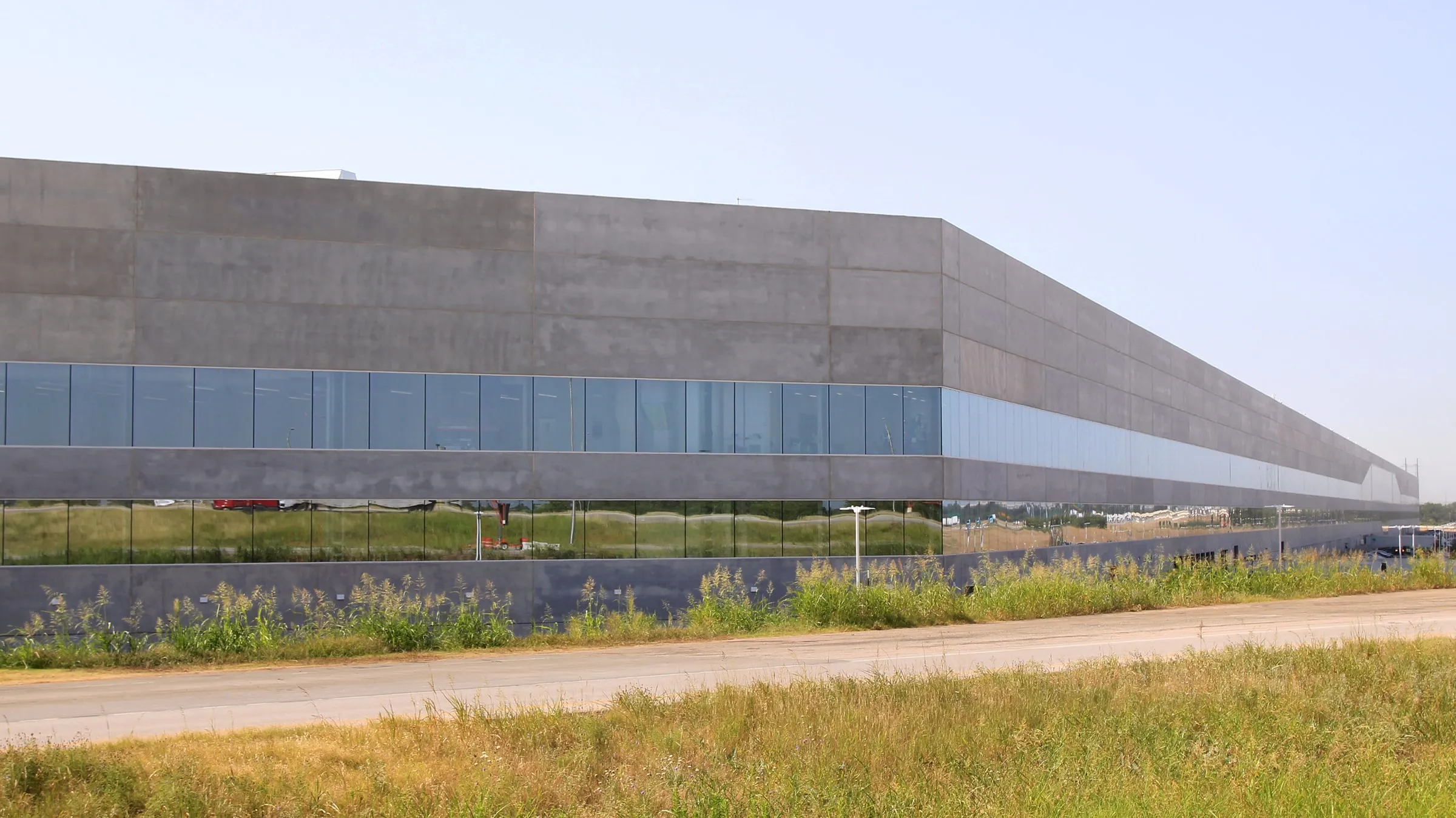
Austin, TexasGiga TexasThe first Cybertrucks were handed over here. Cybercab production began here in April 2026.Larry D. Moore / CC BY 4.0
On the roadThe SemiFirst trucks to PepsiCo in December 2022; volume production in 2026.Dllu / CC BY-SA 4.0
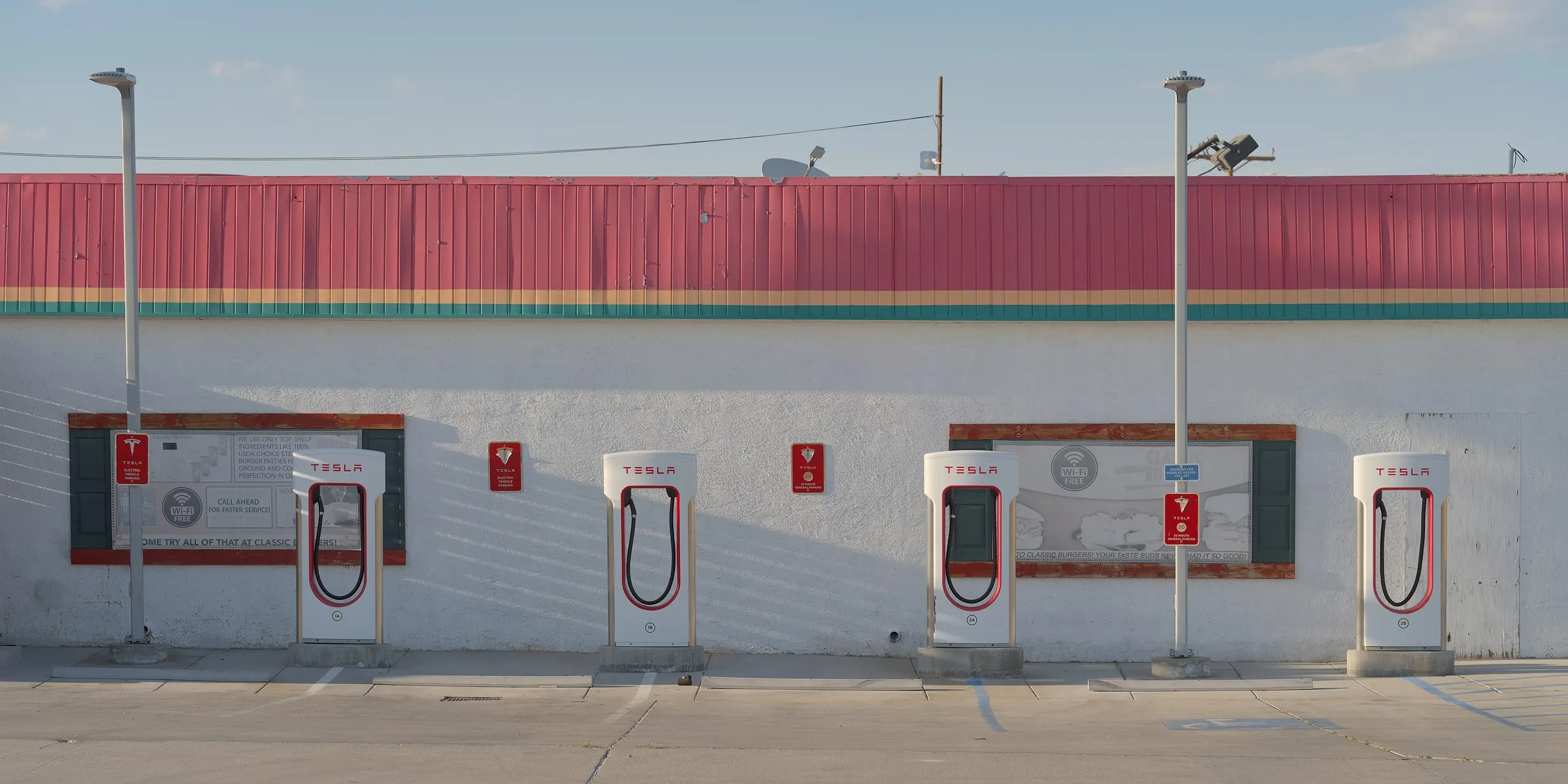
EverywhereSuperchargersFour charging stalls in Inyokern, California.Daniel Lu / CC BY-SA 4.0
05 · Still open
Four datesto check next.
These are the deadlines on the table as of today, each set by Tesla or Musk in the past six months. Two fall due before New Year.
Fig. 4 · Next
The next deadlines
Read as generously as the wording allows. Days counted from 2 November 2026.
Today20272028End 2028
59 daysBy 31 Dec 2026Driverless rides “widespread” in the USMusk, May 2026
59 daysBy 31 Dec 2026First Cybercabs sold to customersTesla, October 2026
240 daysBy 30 Jun 2027Owners’ cars join the Robotaxi networkTesla, October 2026
790 daysBy 31 Dec 2028Second Roadster in productionMusk, October 2026
Two fall due before New Year.
Driverless rides “widespread” in the US, and the first Cybercabs sold to customers. Both by 31 December 2026.
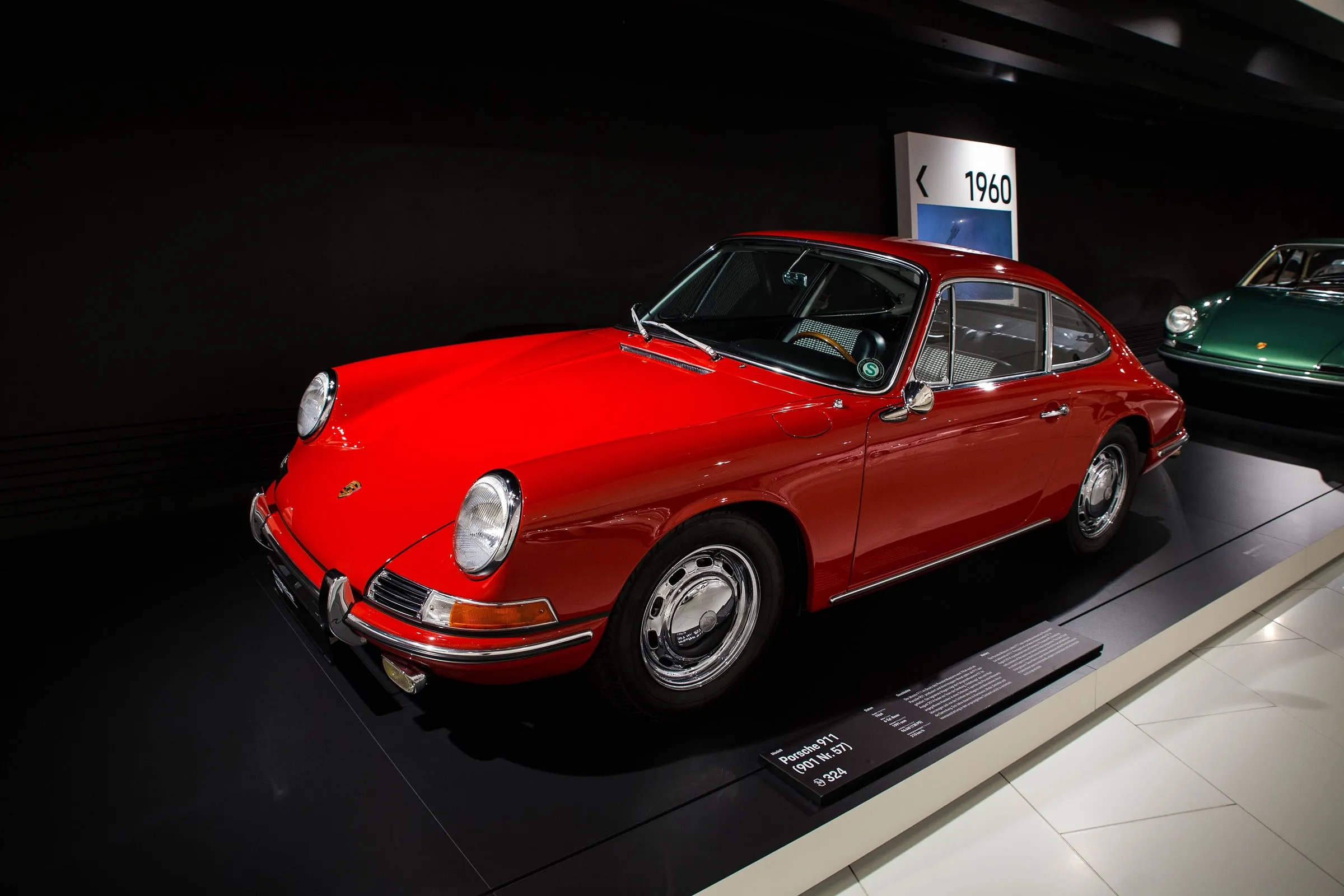
Since 1964 the Porsche 911 has grown 38 centimetres longer, 24 wider and 440 kilograms heavier, and its strongest version now makes five and a half times the first car’s power. The roof has stayed within two centimetres of where it started.
The list
Liked this one? Get the next.
New stories land on Mondays. No noise in between, and you can leave whenever you like.
The list opens soon.
Until then, follow along with the RSS feed, or write to [email protected] and we will add you on day one.
 009