
 011
TechApple
Billions of Switches
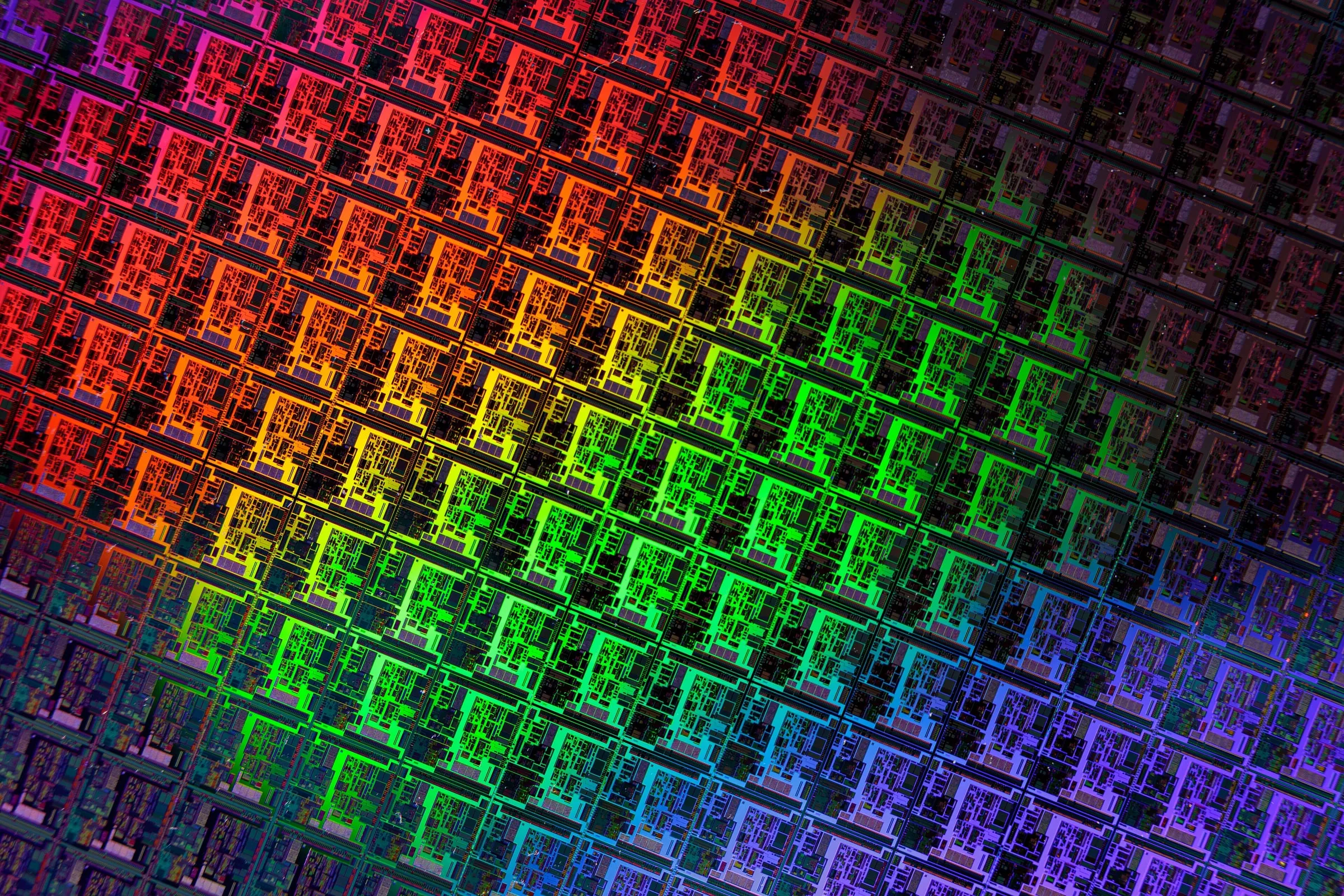
Every A- and M-series chip Apple has announced, from the iPad’s A4 in 2010 to this year’s 2nm M6 and A20 Pro. The transistor counts Apple published rose 184-fold. Then it stopped publishing them.
No. 014 · Apple
Forty-nine things Apple made and then let go, from the Apple I to this year’s Mac Pro. The median one lasted seven years. Six came back.
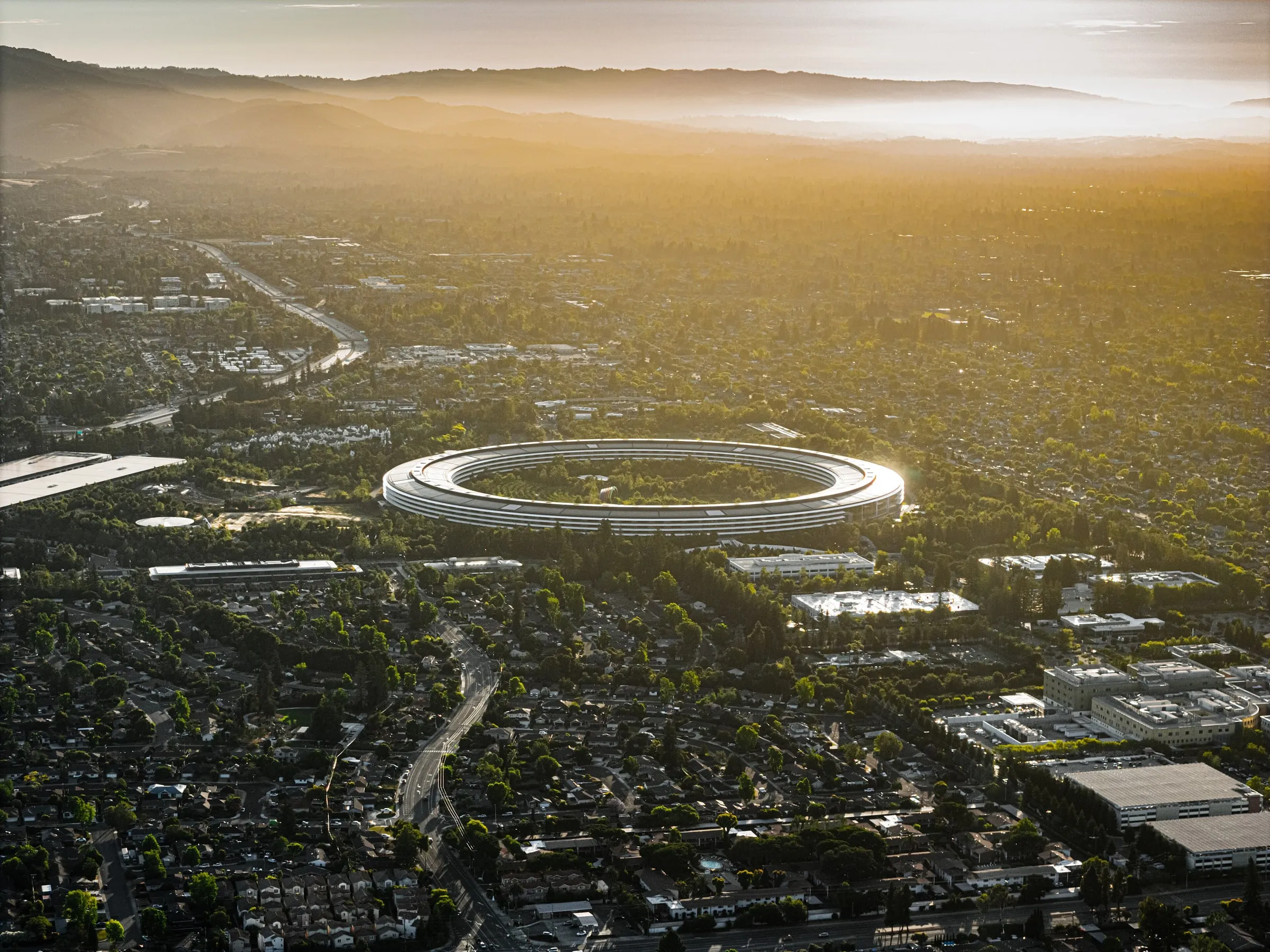
Apple Park, Cupertino. Nils Huenerfuerst / CC0
Apple has spent fifty years making things and letting them go. This is a register of forty-nine of them: computers and music players, apps and online services, and the ports and features that once defined its devices. Each has a birth date, the day Apple introduced it or first put it on sale, and a death date, the day Apple discontinued it, stopped selling it or shut it down.
The graveyard in four numbers
01 · The graveyard
Every line runs from introduction to discontinuation, 1976 to 2026. A headstone marks the end. A green arc marks a return.
Fig. 1 · The graveyard
One line per product, service or feature, from introduction to discontinuation. Re-order the rows, or hover, tap or tab through a line for its epitaph.
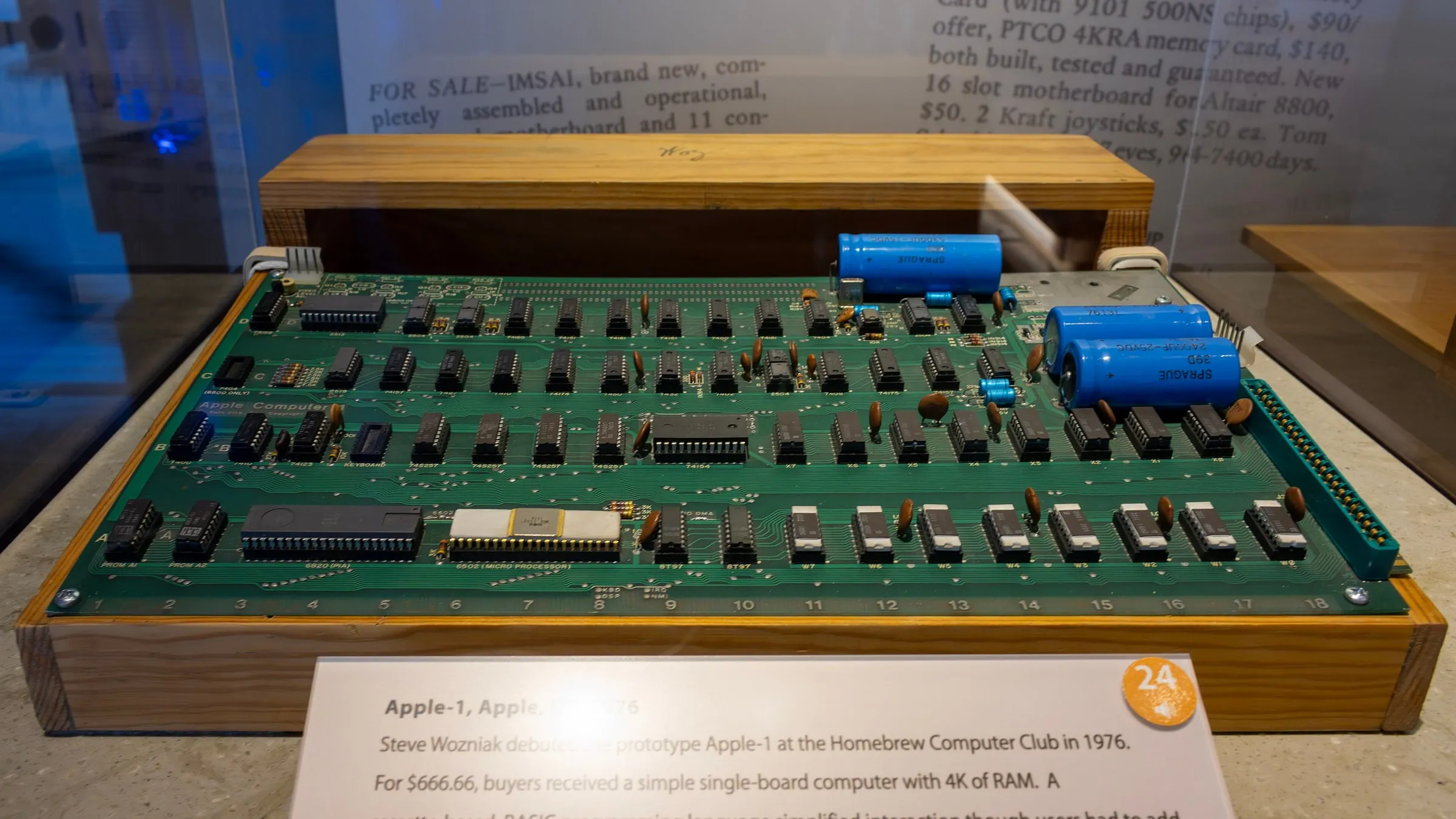
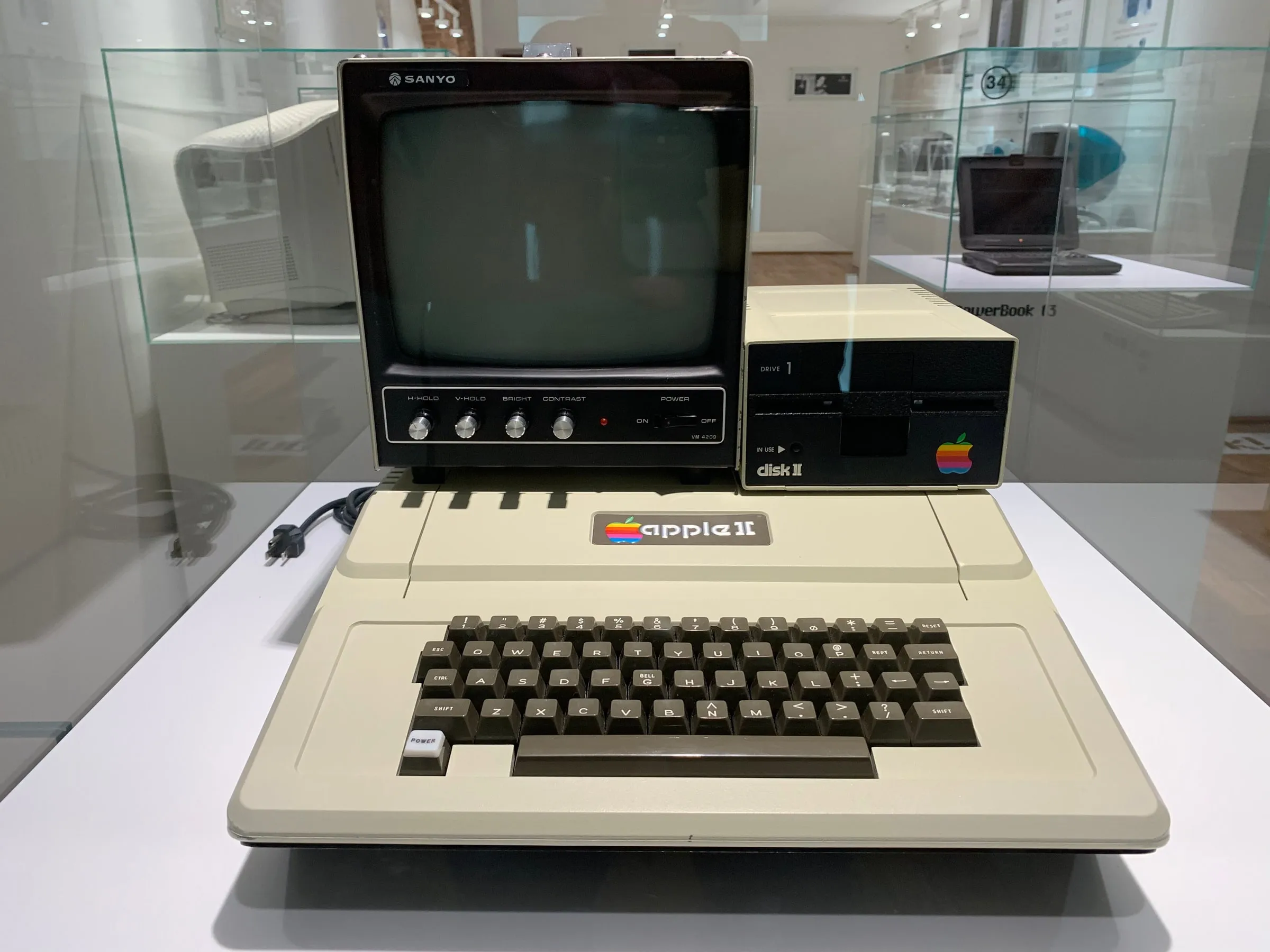
The first graves are the oldest machines. The Apple I was sold as a bare circuit board; the Apple II family ran for sixteen years. After them come the music players, the servers, the base stations and the laptops that each had their decade or their moment.
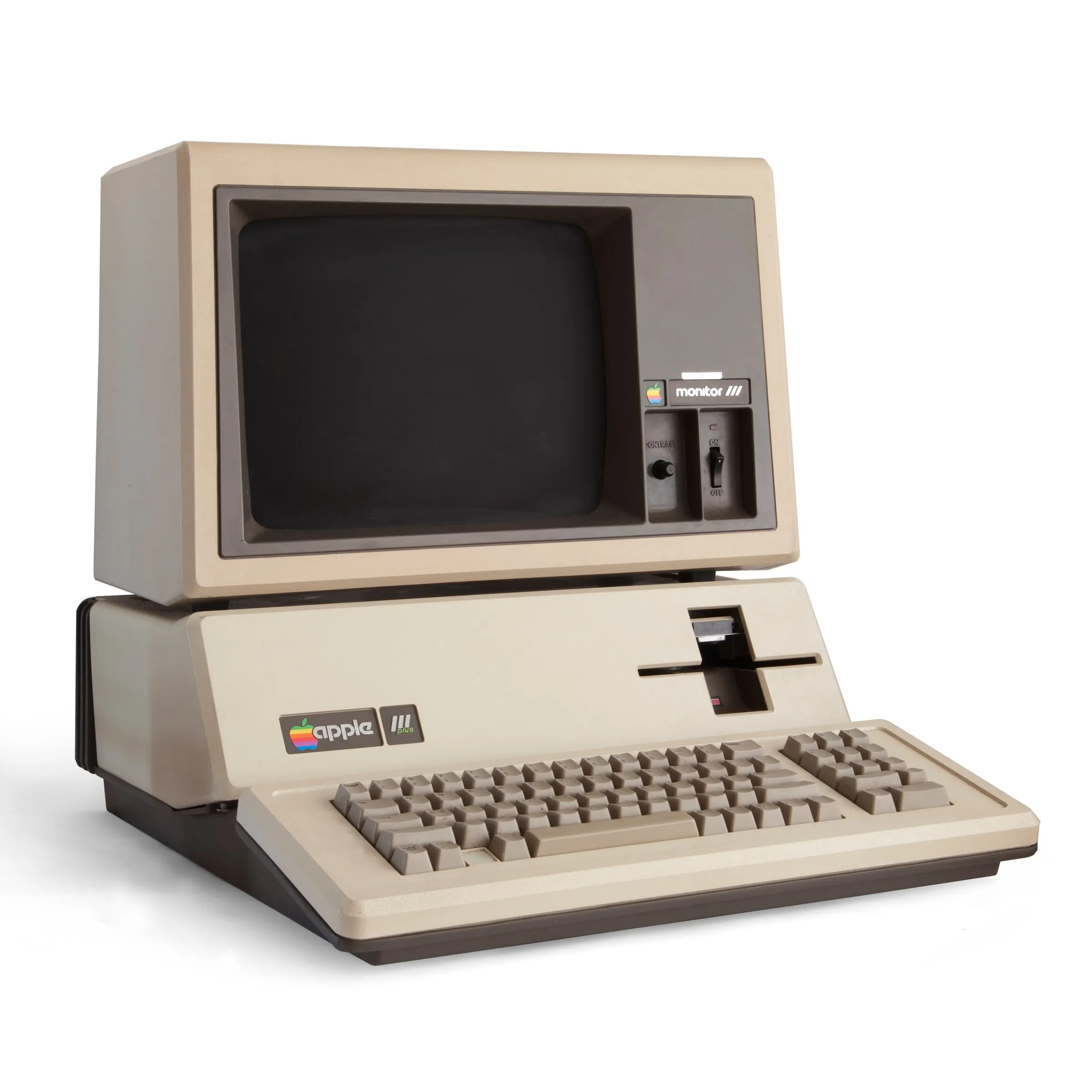
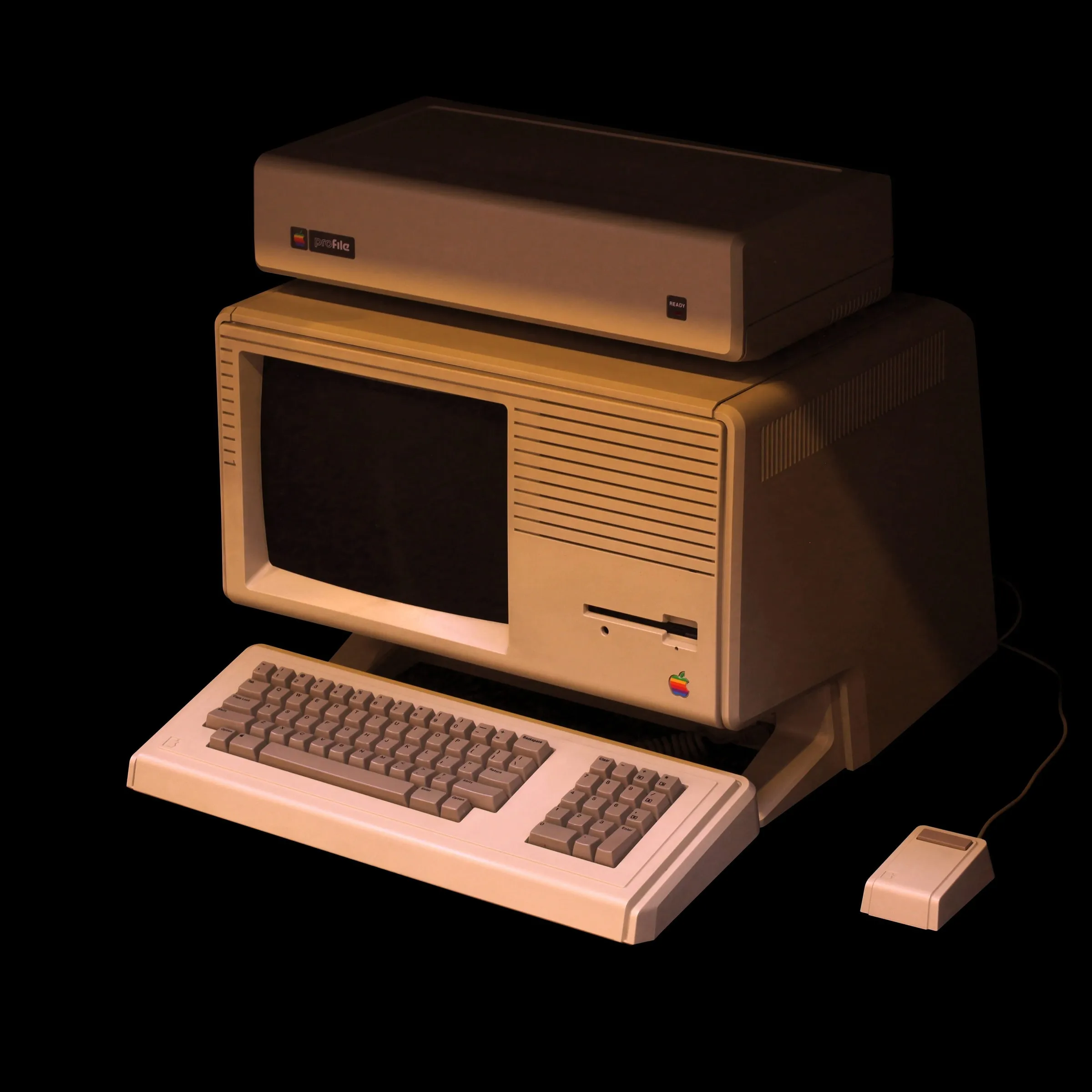
Twelve of the forty-nine, from a circuit board in a wooden box to a laptop with a single port. Tap any one for its epitaph.
02 · How long they lasted
Forty-seven of the forty-nine graves belong to things that actually shipped. Their median lifespan was 7.0 years and the mean 8.1. That middle is mostly empty, though. Nineteen lasted less than five years and eighteen lasted ten or more. Only ten sit in between.
Fig. 2 · Lifespans
Lifespan in years, one dot per shipped product, service or feature. Things that came back are counted by their first life.
| Apple I | Hardware | 1.2 |
|---|---|---|
| Apple II series | Hardware | 16.4 |
| Apple III | Hardware | 5.3 |
| Lisa | Hardware | 2.3 |
| Newton MessagePad | Hardware | 4.6 |
| QuickTake camera | Hardware | 3.4 |
| Pippin | Hardware | 1.3 |
| eMate 300 | Hardware | 1.0 |
| Twentieth Anniversary Macintosh | Hardware | 1.0 |
| Cinema and Thunderbolt Displays | Hardware | 16.8 |
| AirPort base stations | Hardware | 18.8 |
| Power Mac G4 Cube | Hardware | 1.0 |
| iPod (classic) | Hardware | 12.9 |
| Xserve | Hardware | 8.7 |
| iPod mini | Hardware | 1.7 |
| iPod shuffle | Hardware | 12.5 |
| iPod nano | Hardware | 11.9 |
| iPod Hi-Fi | Hardware | 1.5 |
| Mac Pro | Hardware | 19.6 |
| iPod touch | Hardware | 14.7 |
| 12-inch MacBook | Hardware | 4.3 |
| Apple Watch Edition | Hardware | 7.4 |
| iPhone SE | Hardware | 8.9 |
| HomePod | Hardware | 3.1 |
| Pro Display XDR | Hardware | 6.2 |
| iPhone mini | Hardware | 2.9 |
| iPhone Plus | Hardware | 4.0 |
| HyperCard | Software & services | 16.6 |
| eWorld | Software & services | 1.8 |
| iTunes (Mac) | Software & services | 18.7 |
| iPhoto | Software & services | 13.2 |
| Dashboard | Software & services | 14.4 |
| Aperture | Software & services | 9.4 |
| MobileMe | Software & services | 4.0 |
| Ping | Software & services | 2.1 |
| My Photo Stream | Software & services | 11.8 |
| Clips | Software & services | 8.5 |
| Apple Pay Later | Software & services | 1.2 |
| Headphone jack (iPhone) | Ports & features | 11.2 |
| MagSafe (Mac laptops) | Ports & features | 13.5 |
| Function keys (MacBook Pro) | Ports & features | 13.5 |
| SD card slot (Mac laptops) | Ports & features | 10.1 |
| HDMI (MacBook Pro) | Ports & features | 6.1 |
| Lightning (iPhone) | Ports & features | 12.4 |
| Butterfly keyboard | Ports & features | 5.2 |
| 3D Touch | Ports & features | 4.6 |
| Touch Bar | Ports & features | 7.0 |
Hardware supplies the quick deaths. Its median is 4.6 years, and seven of the nine things that never reached a second birthday were hardware. The Power Mac G4 Cube lasted 349 days. The eMate 300 and the Twentieth Anniversary Macintosh lasted less than a fortnight longer. Software and services lived longer, a median of 9.4 years. The ports and features that defined a generation of devices lasted longest of all, a median of 10.1.
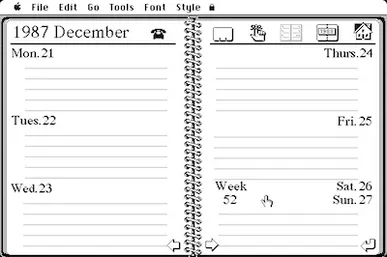
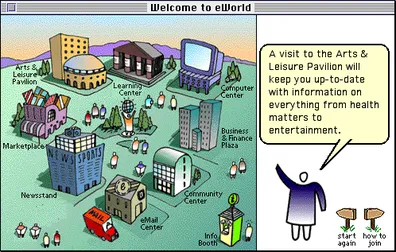
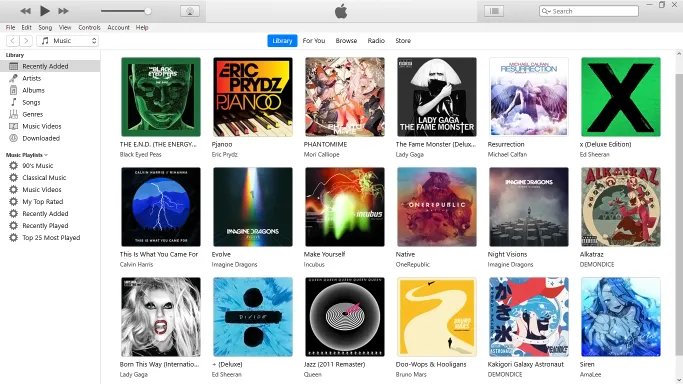
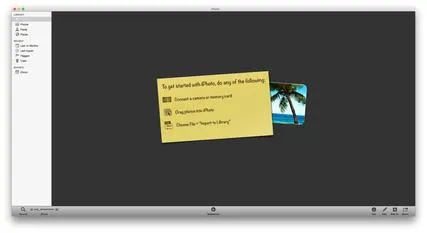
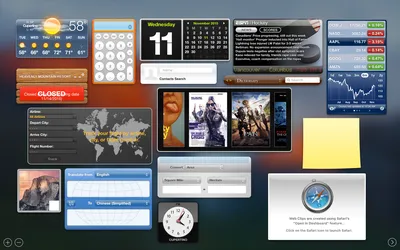
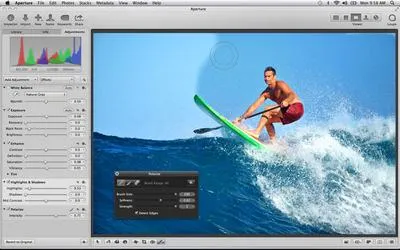
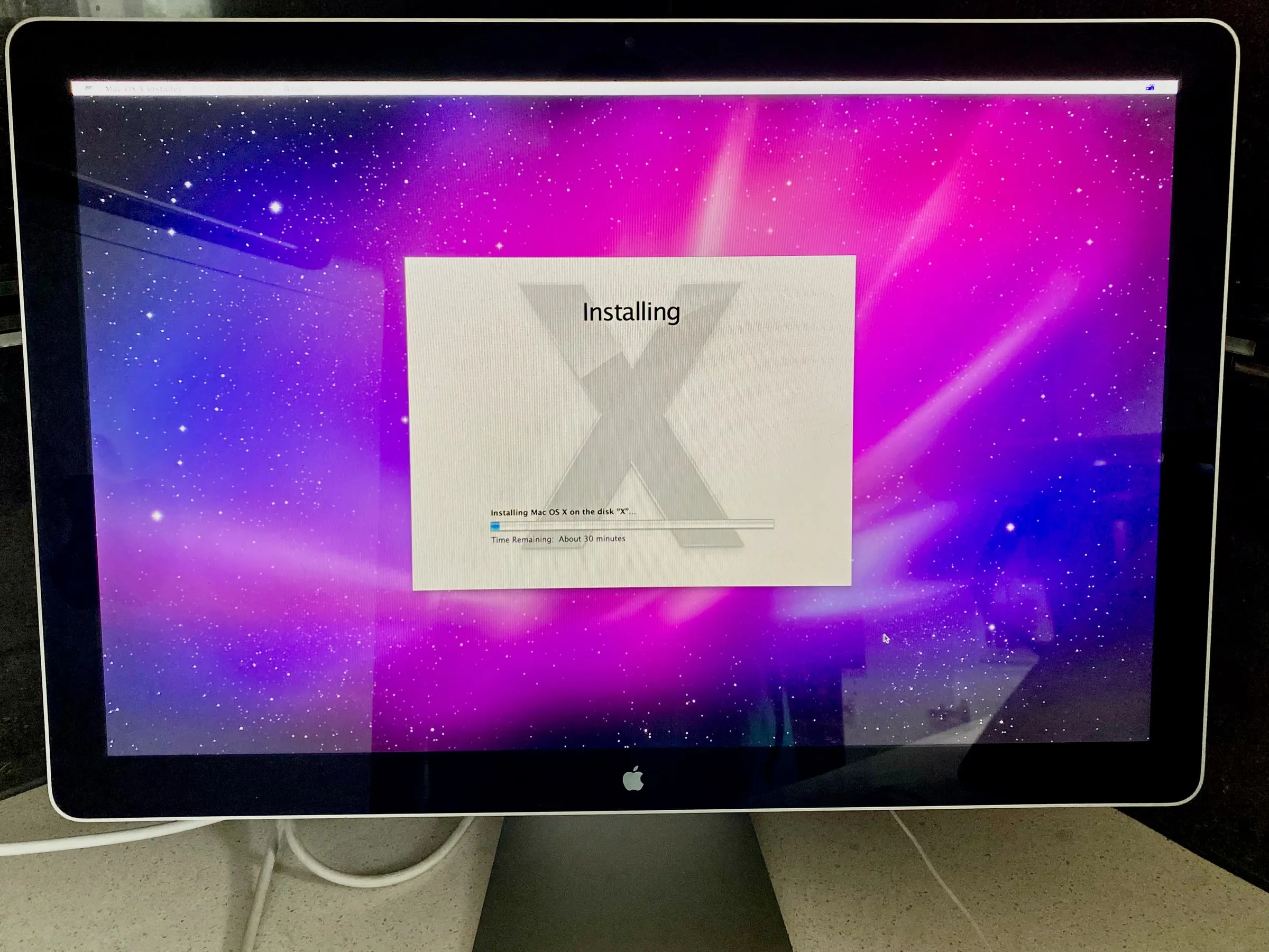
Seven of the eleven programs and services in the graveyard, as they looked on screen. Tap any one for its epitaph.
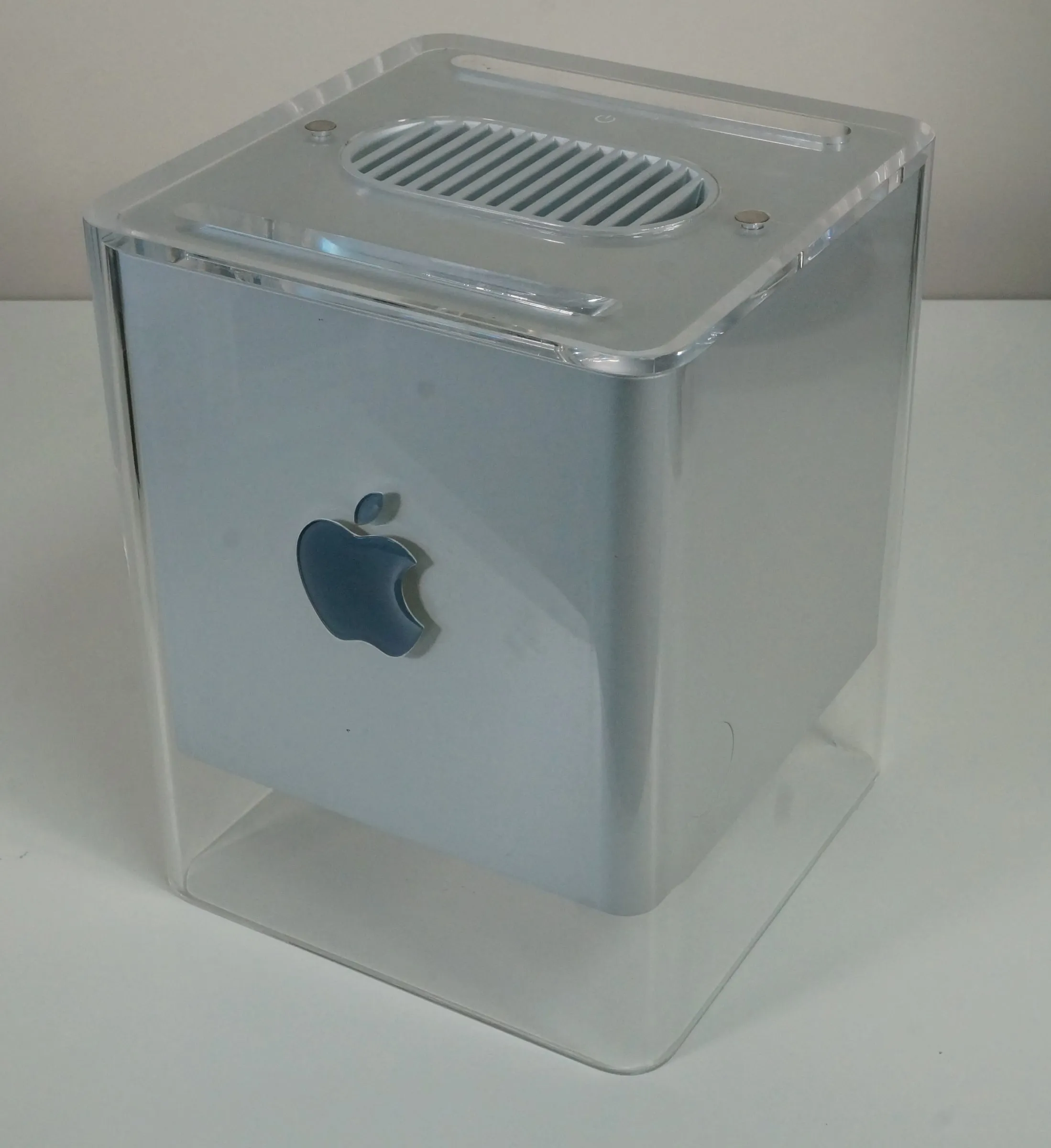
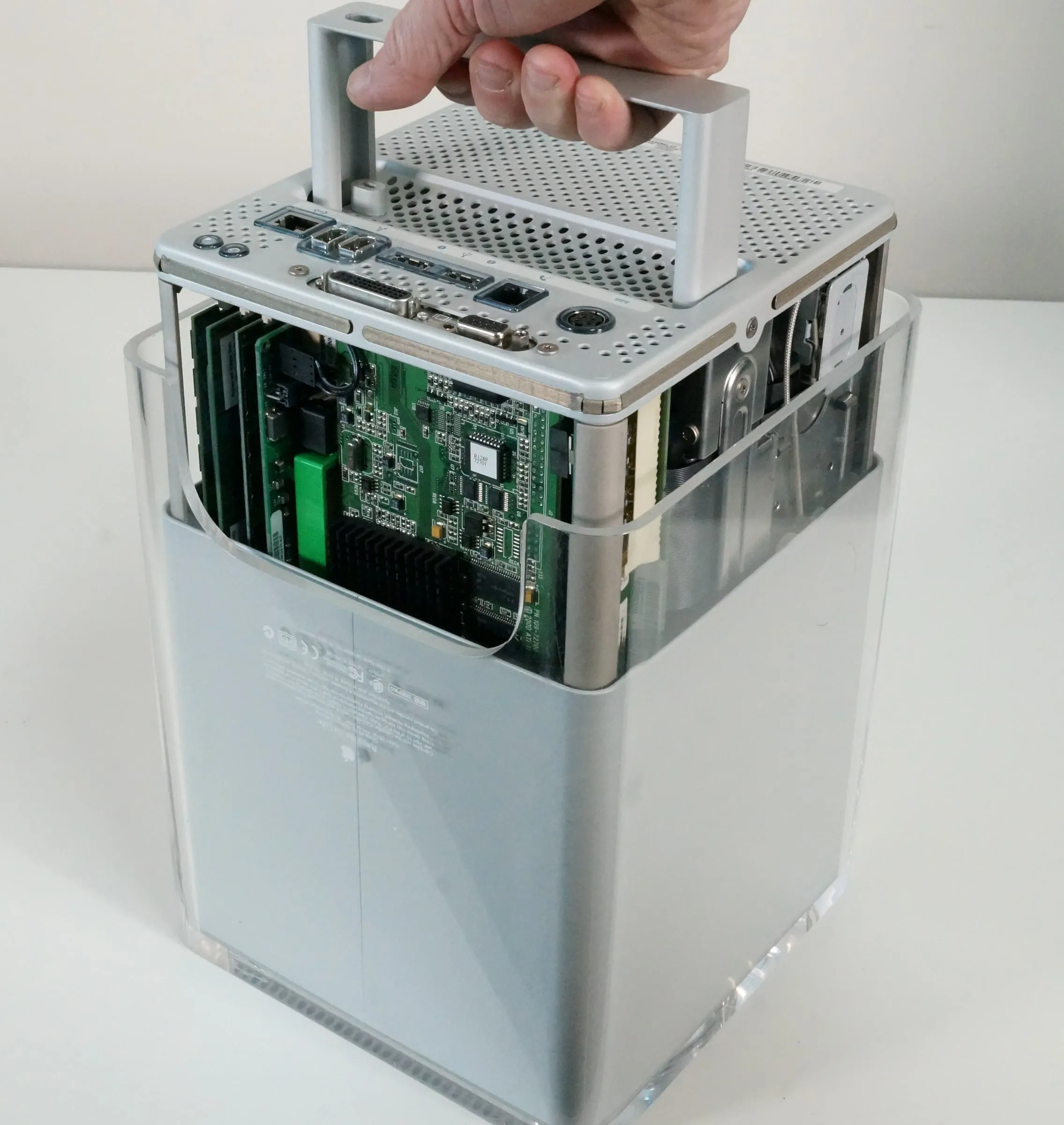
The shortest life in the graveyard: the Power Mac G4 Cube, introduced 19 July 2000 and put on ice on 3 July 2001.
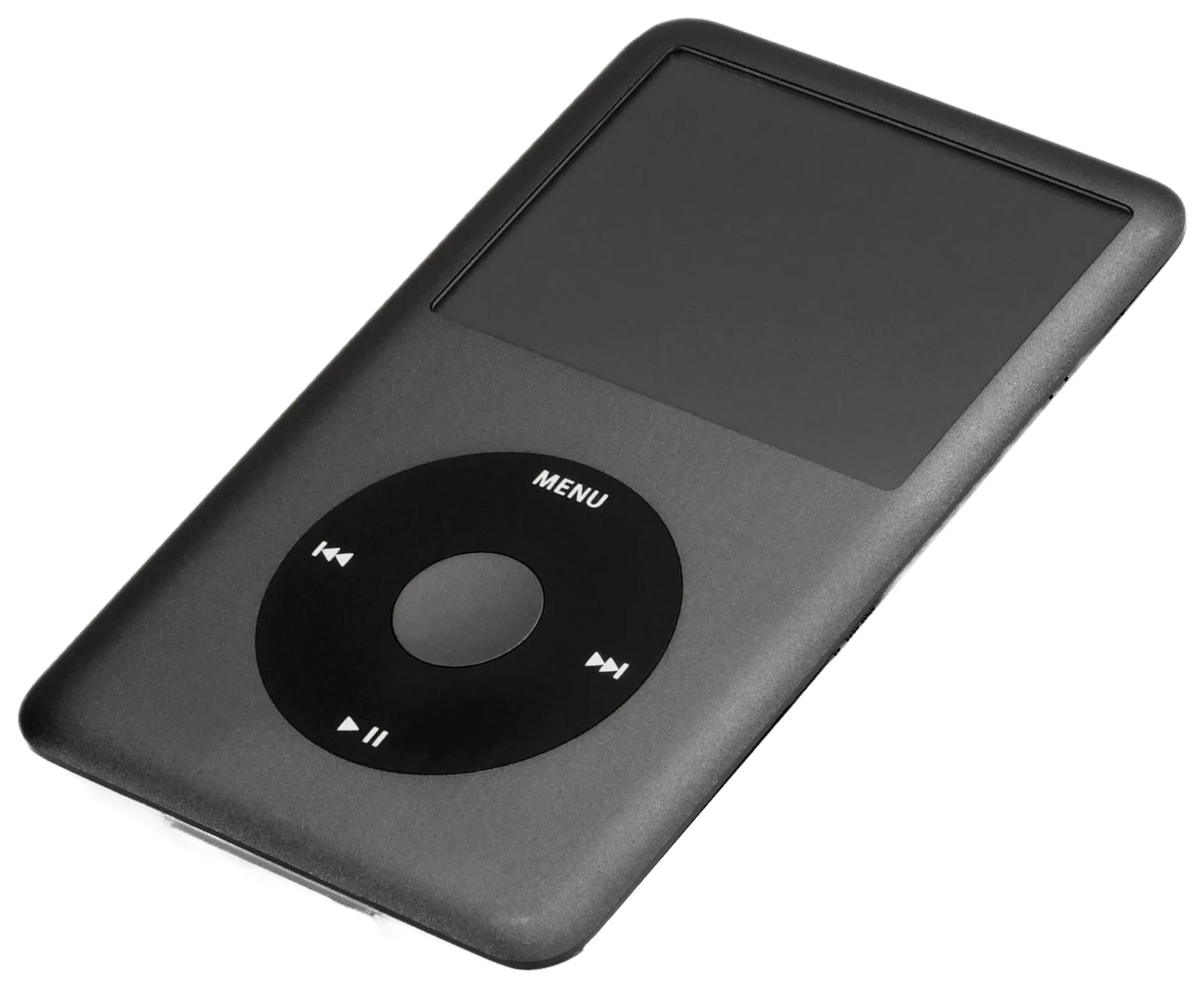
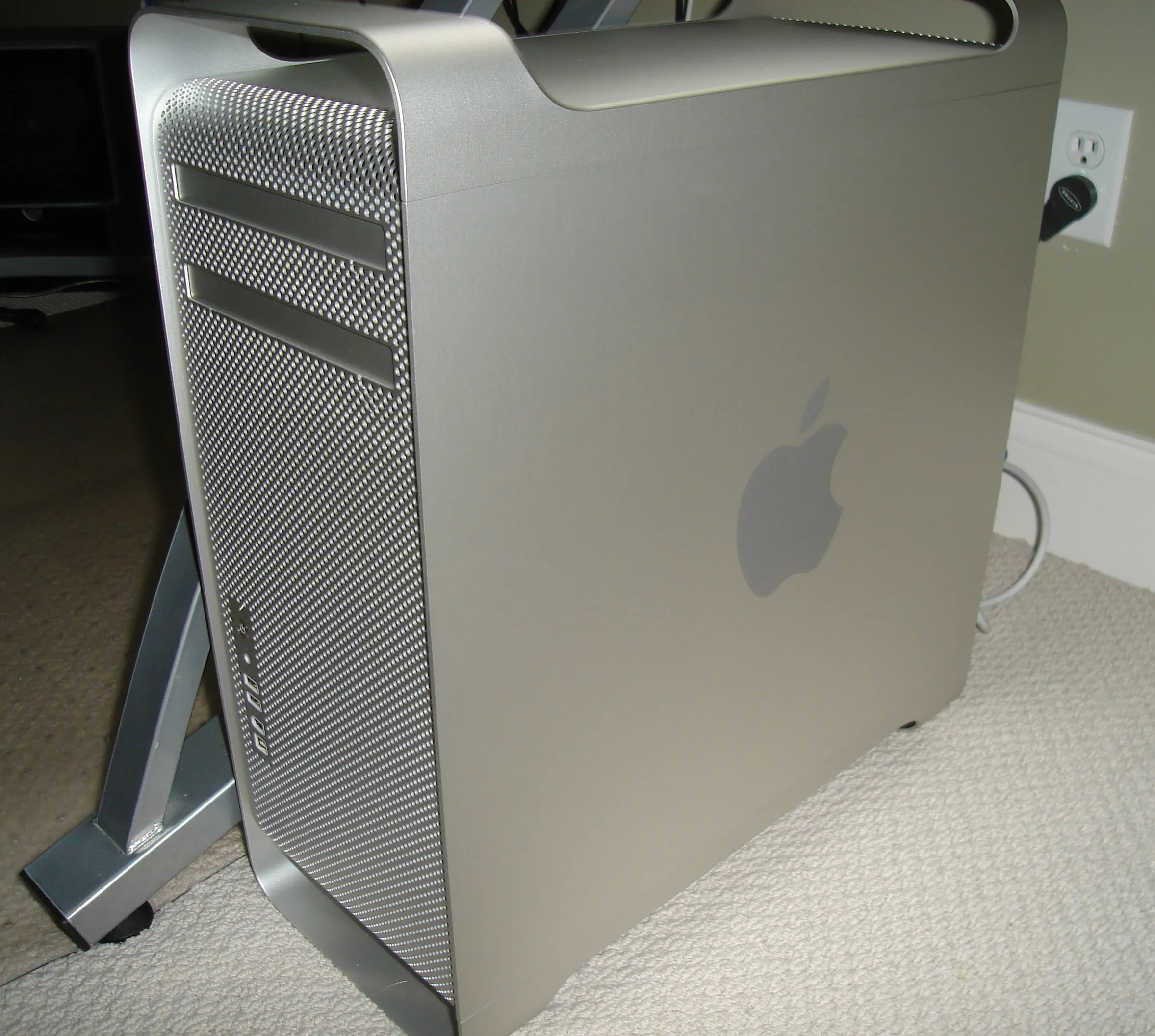
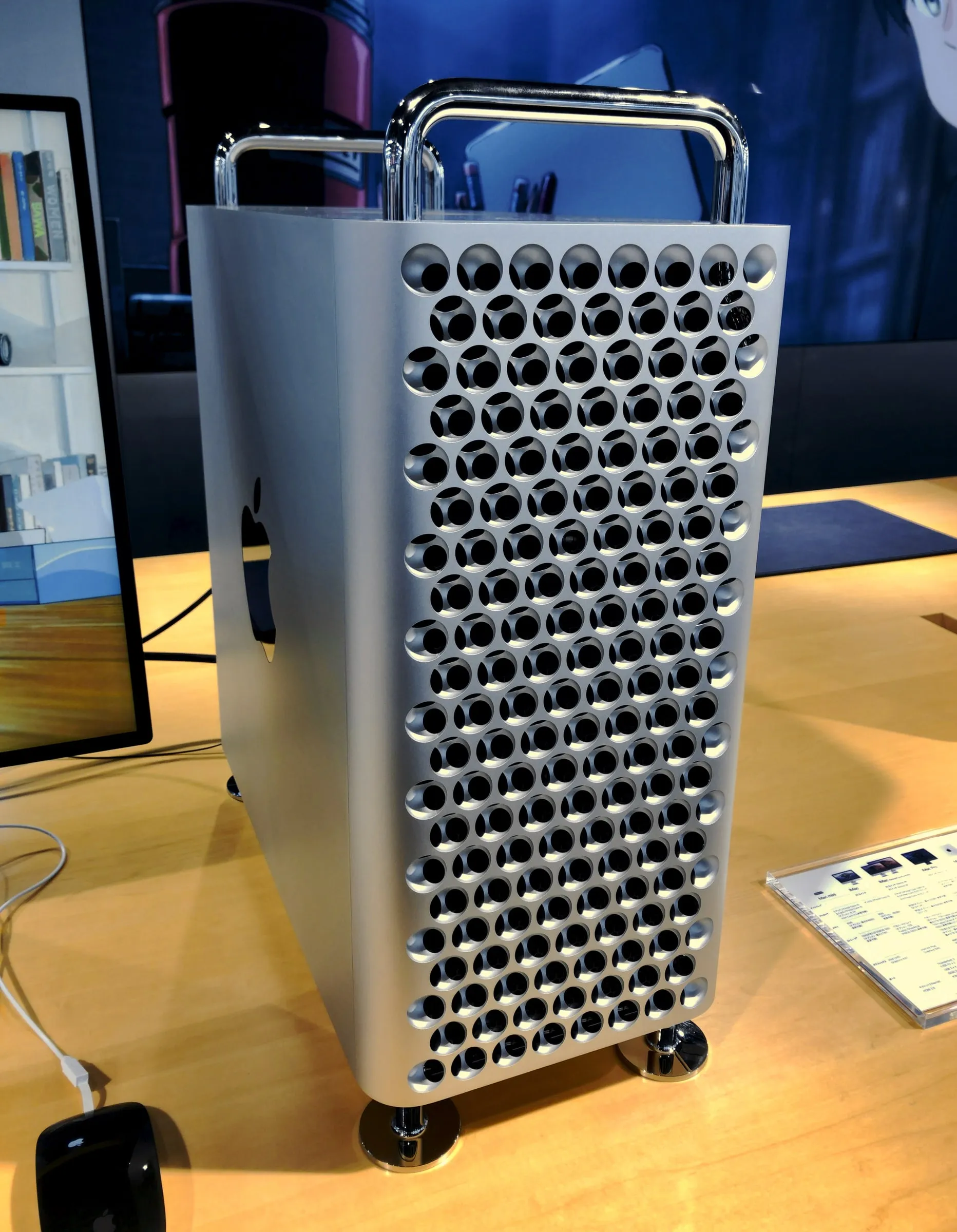
Some hardware did last. The iPod classic ran for almost thirteen years, the AirPort base stations for almost nineteen. The longest life of all belongs to the Mac Pro, introduced in August 2006 and discontinued in March 2026: nineteen years and seven months.
03 · 1996 to 1998
The densest stretch of the timeline sits between March 1996 and March 1998. The eWorld online service closed. The QuickTake camera and the Pippin console went. Apple bought out the biggest Mac clone maker, Power Computing, and with it the clone licence. In February 1998 it stopped Newton OS development, taking the MessagePad and the eMate 300 with it.
Fig. 3 · The cull
Products and services that ended between 1996 and 1998, from introduction to discontinuation.
| eWorld | 20 June 1994 | 31 March 1996 |
|---|---|---|
| QuickTake camera | 17 February 1994 | c. 1997 |
| Pippin | March 1996 | c. 1997 |
| Newton MessagePad | 2 August 1993 | 27 February 1998 |
| eMate 300 | 7 March 1997 | 27 February 1998 |
| Twentieth Anniversary Macintosh | 20 March 1997 | 14 March 1998 |
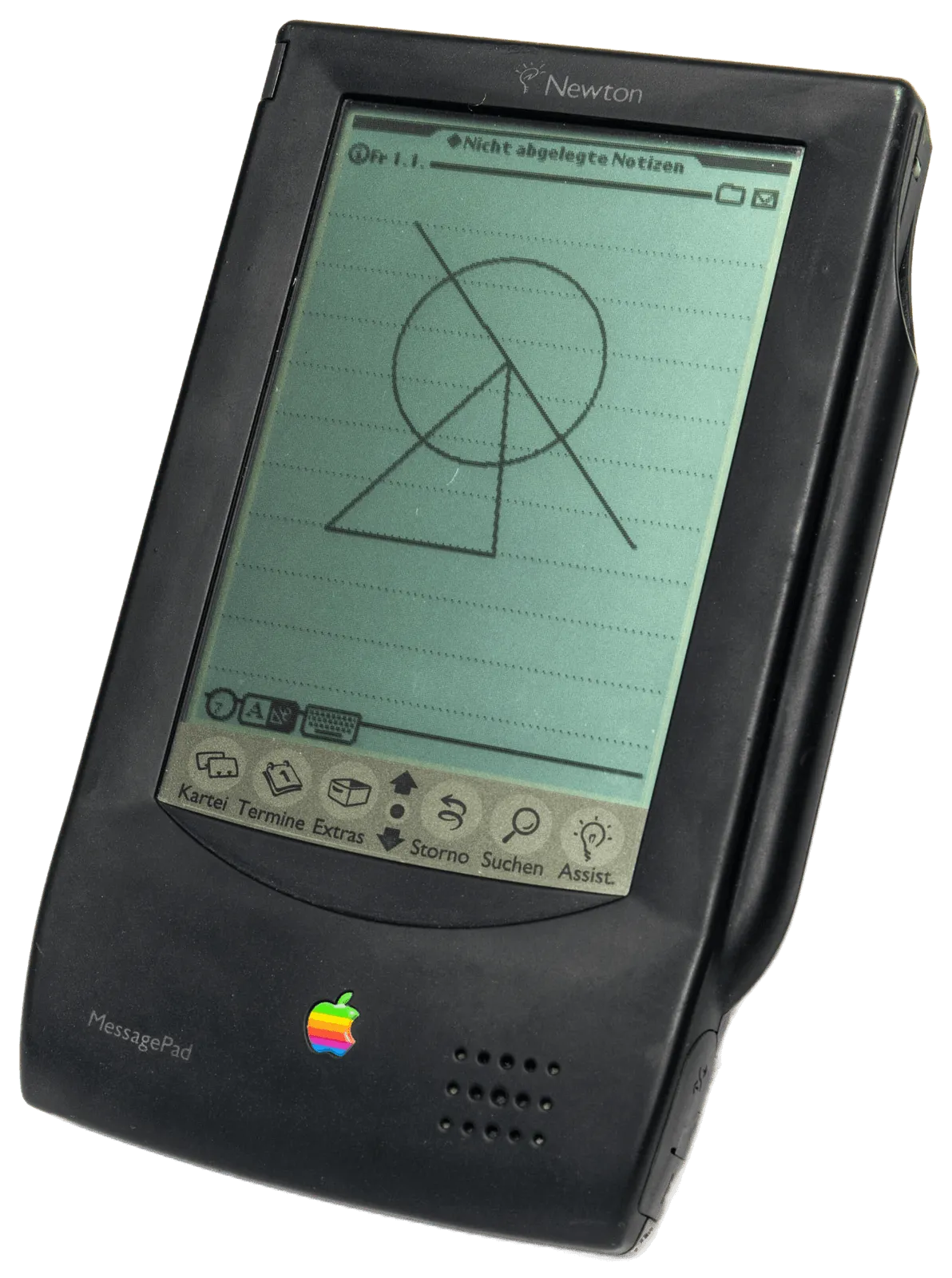
Newton · Aug 1993 to Feb 1998
Apple ended Newton OS development to put its software effort into the Mac OS.
Felix Winkelnkemper / CC BY-SA 4.0
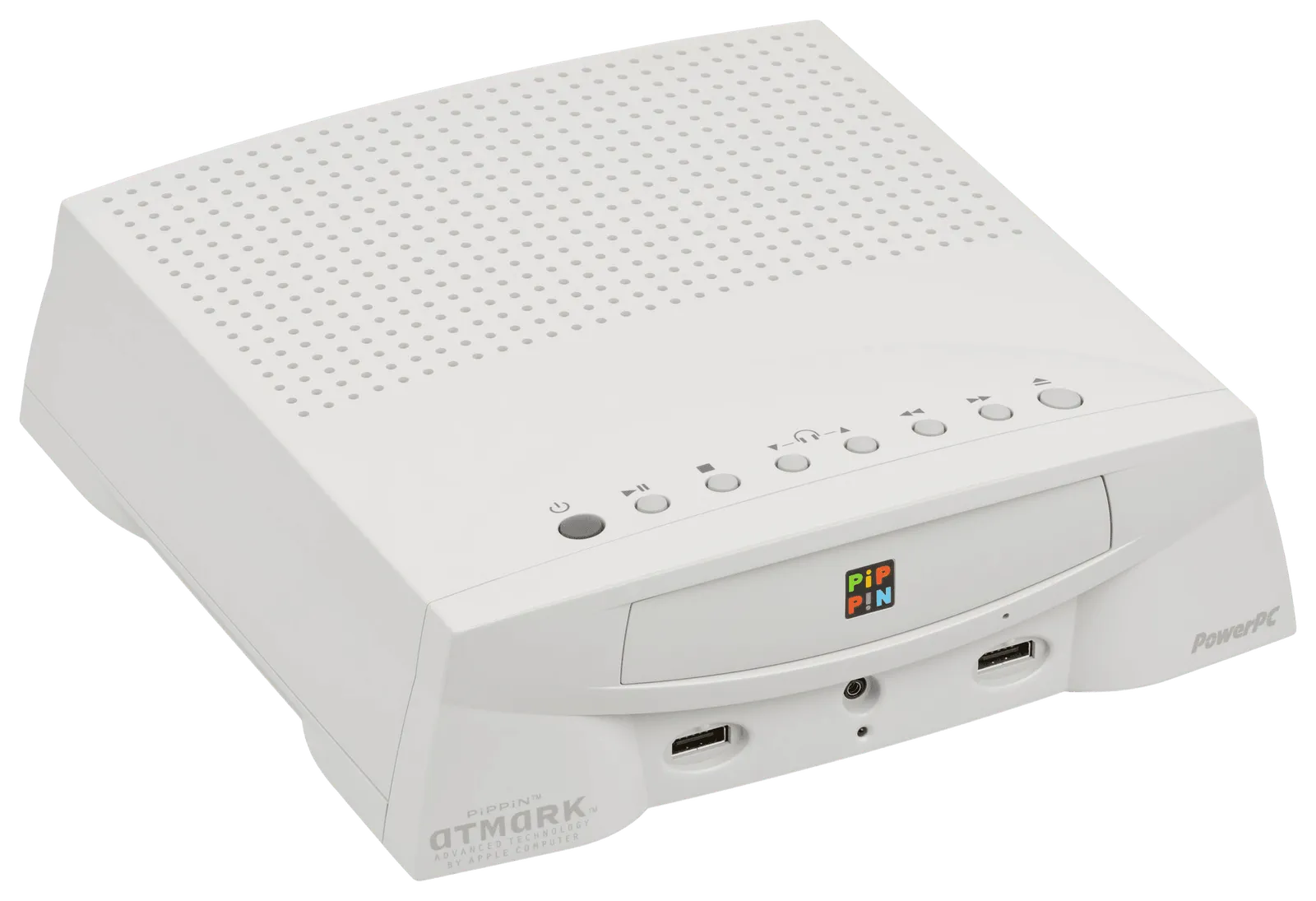
Pippin · Mar 1996 to c. 1997
A Mac-based games and multimedia console, built with Bandai. Roughly 42,000 sold.
Evan-Amos / Public domain
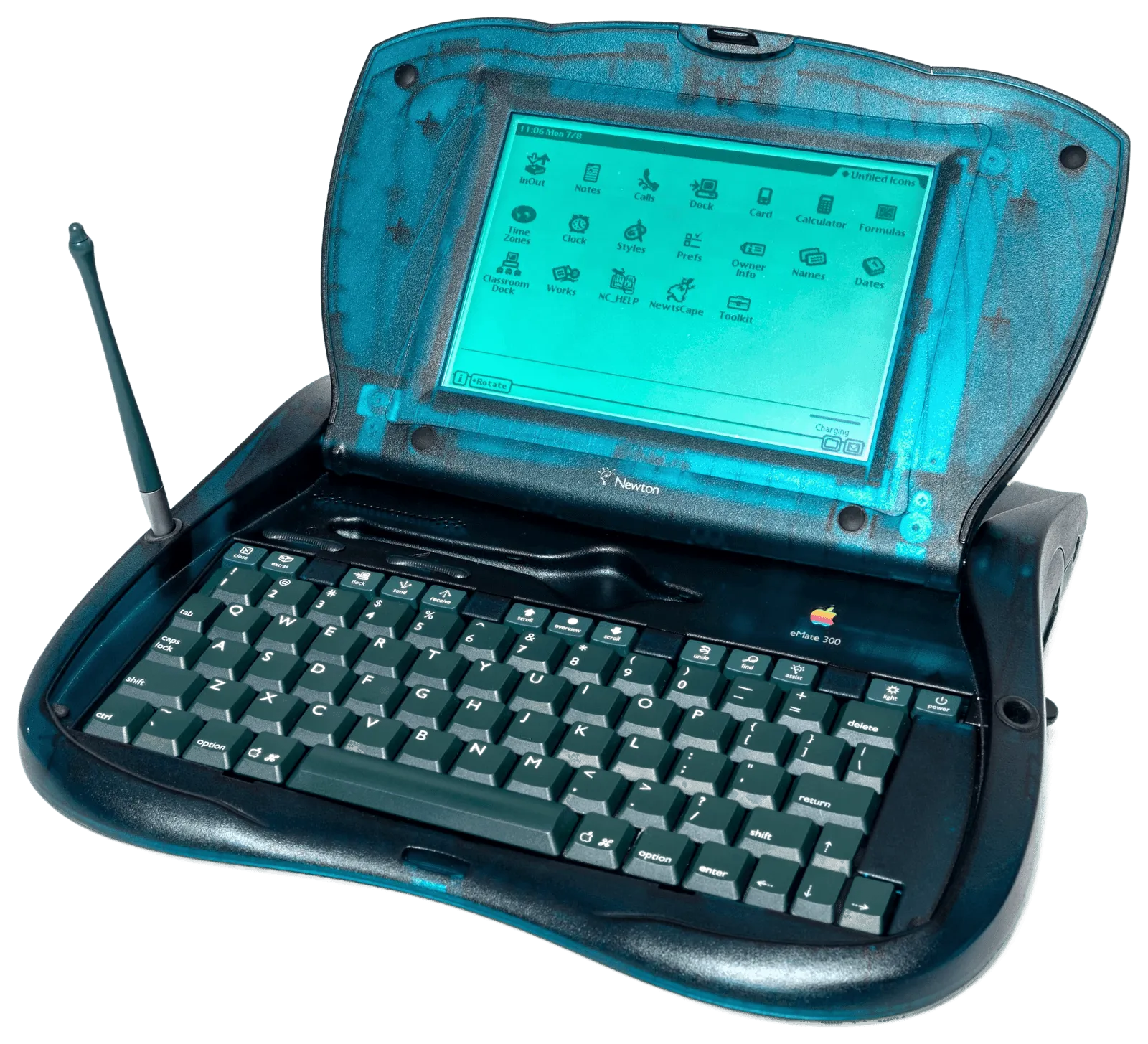
eMate 300 · Mar 1997 to Feb 1998
A Newton with a keyboard, sold to schools. It went with the rest of the Newton line.
Felix Winkelnkemper / CC BY-SA 4.0
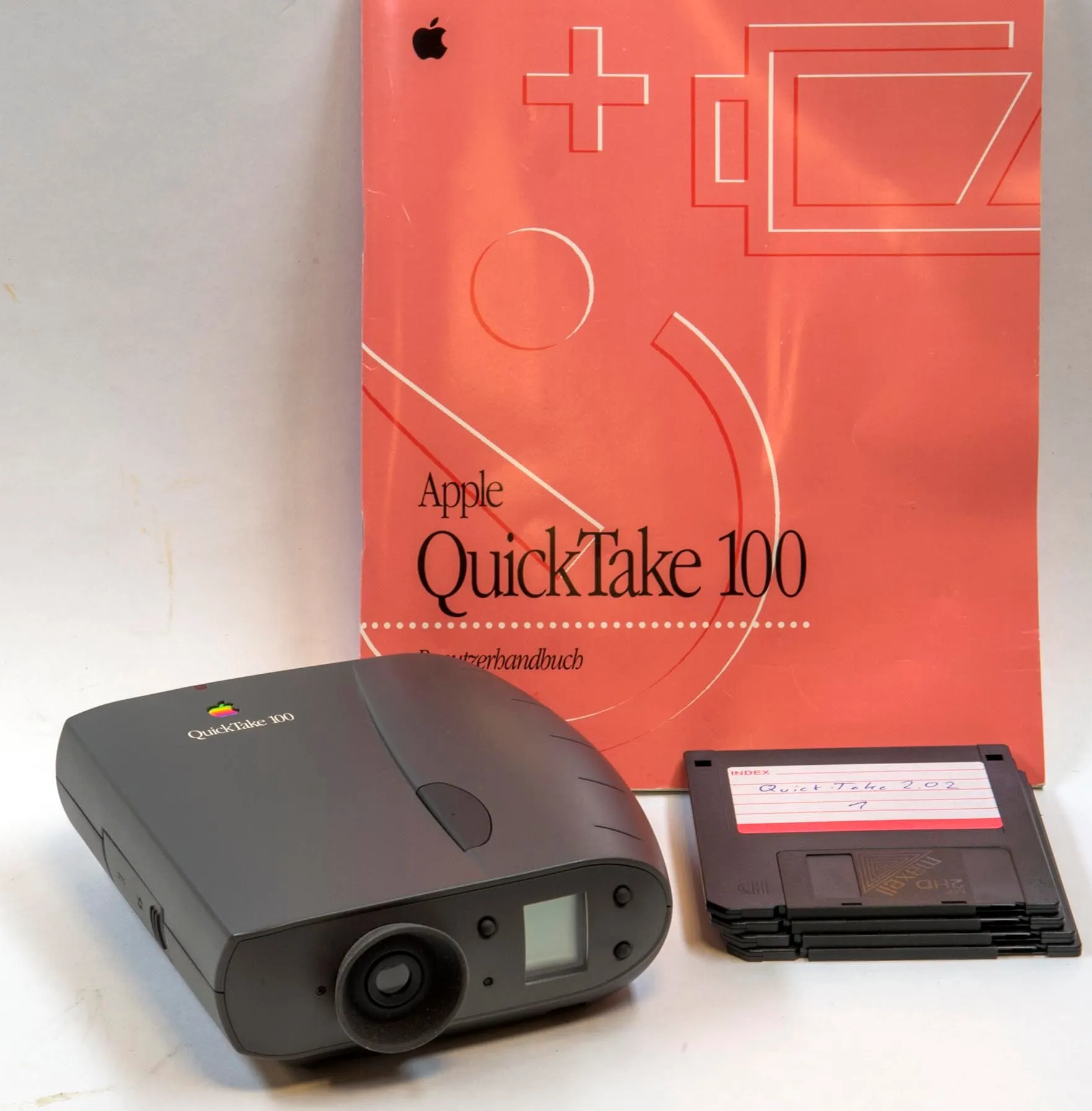
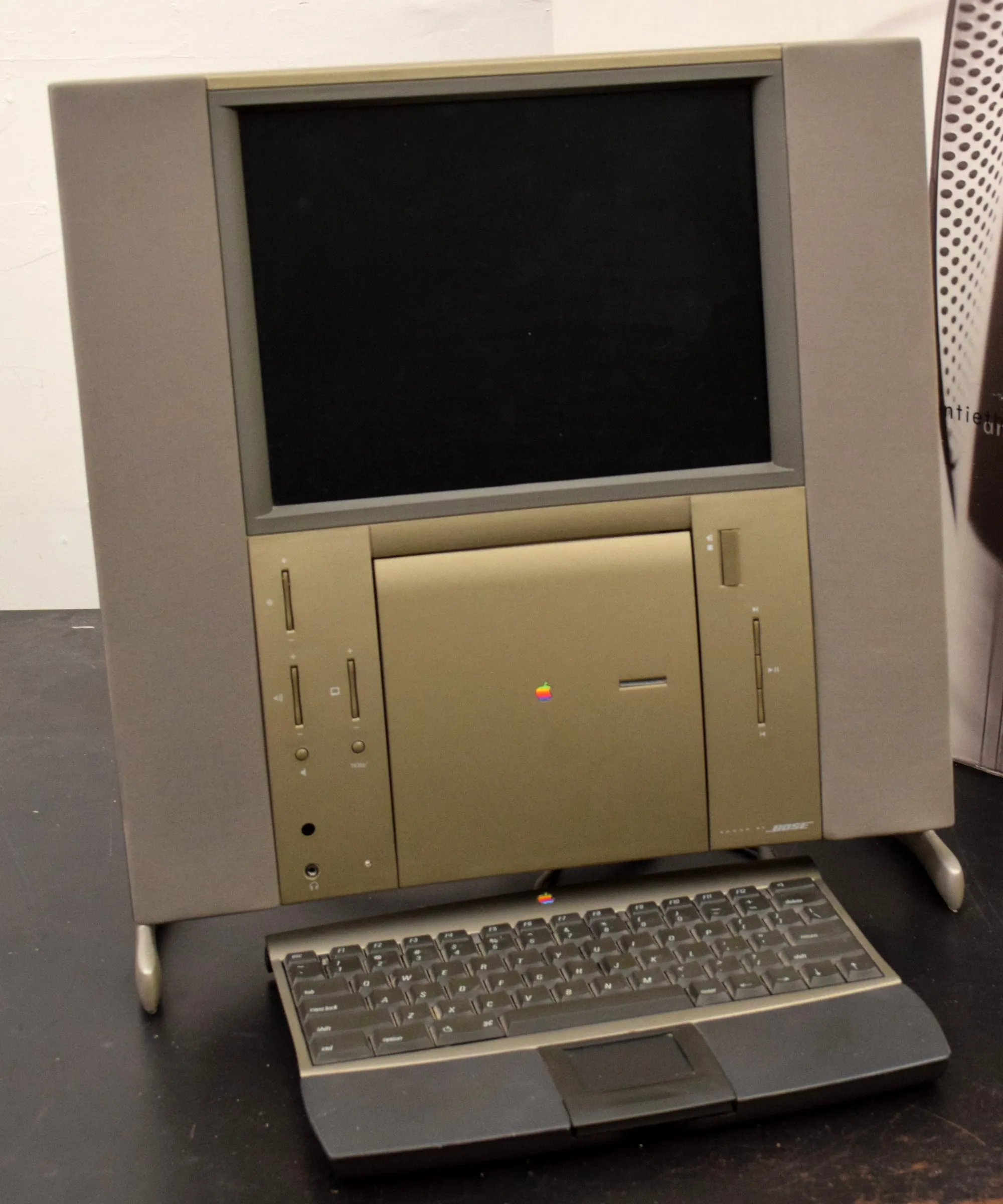
The QuickTake camera and the Twentieth Anniversary Macintosh, which lasted less than a year.
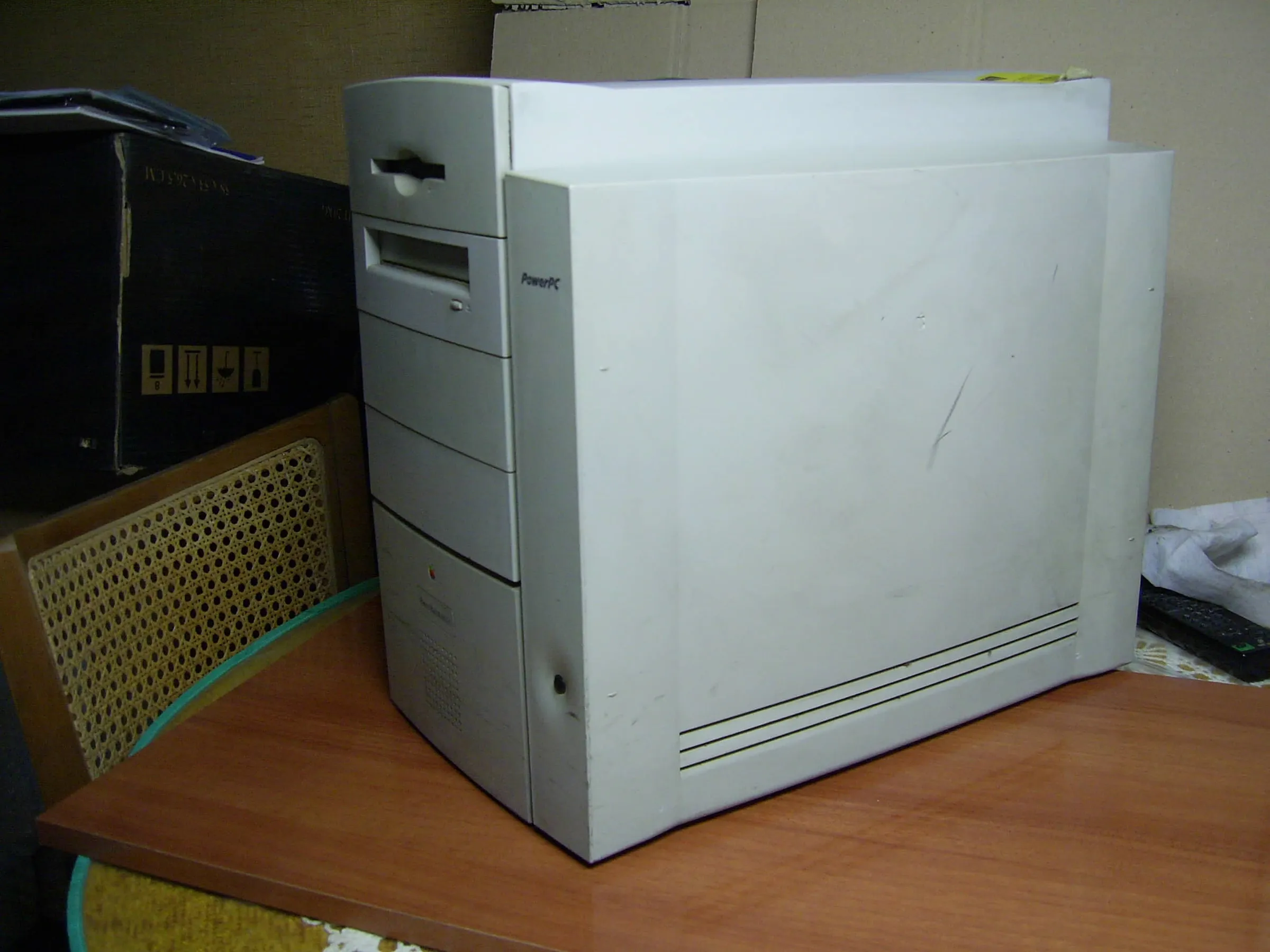
Steve Jobs had come back with Apple’s purchase of NeXT and became interim chief executive in September 1997. He cut about 70% of Apple’s products and drew a two-by-two grid on a whiteboard: consumer and pro, desktop and portable, one great product for each square. Apple had lost US$1.04b in the year to September 1997. It made a US$309m profit the year after.
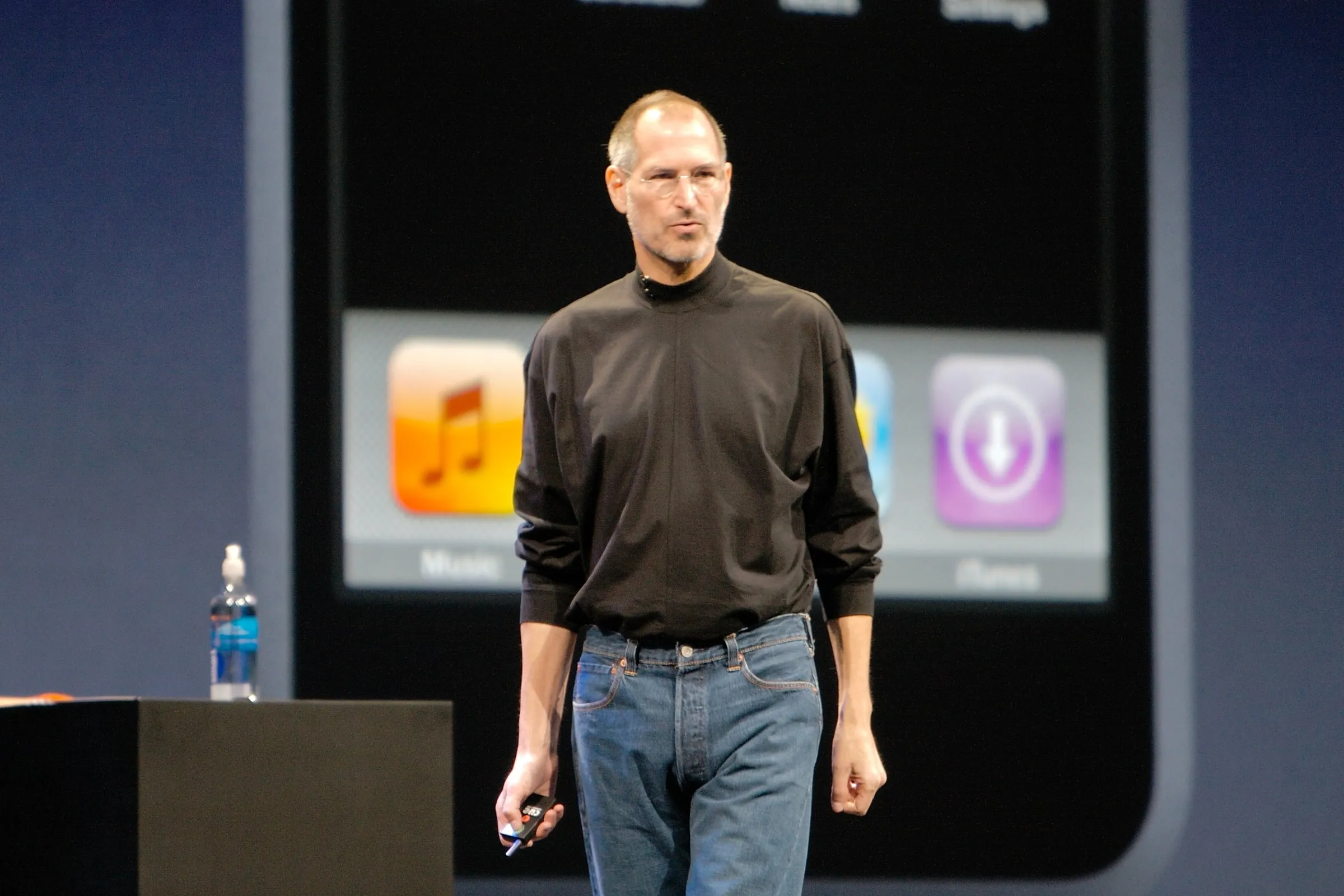
Apple’s results, fiscal years to September
Fig. 4 · Four squares
The grid that replaced them, and when each square was filled.
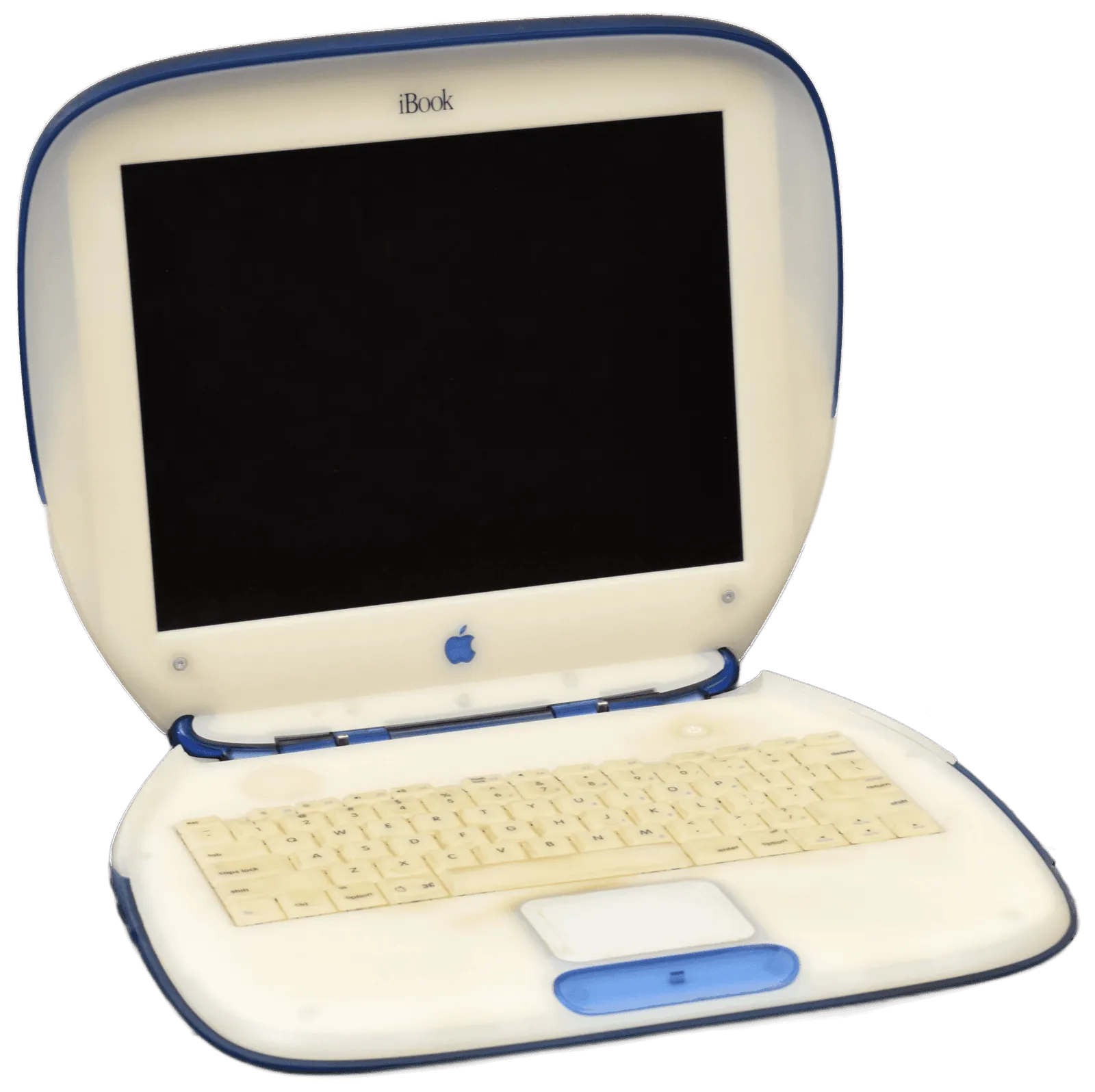
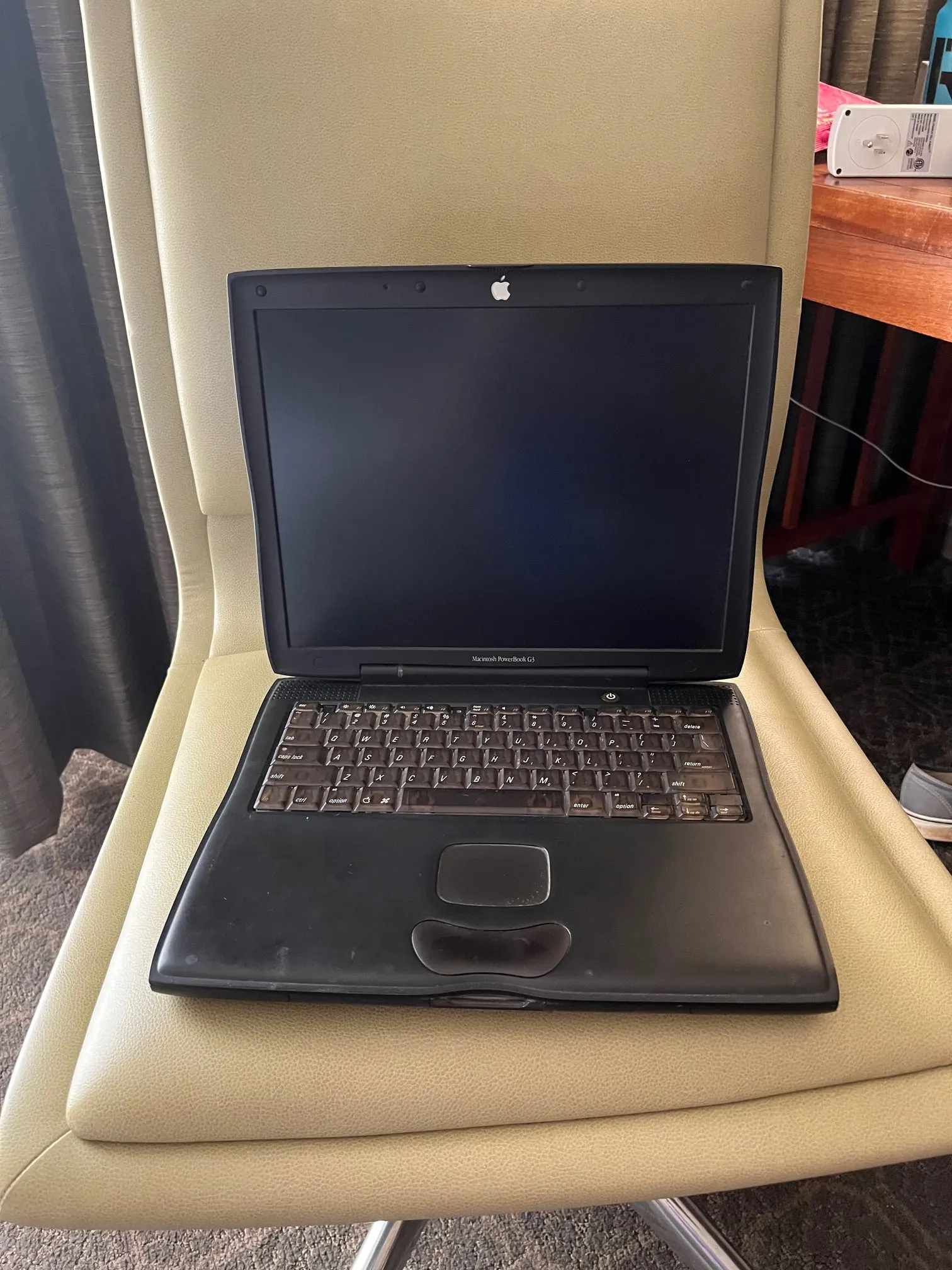
04 · Second lives
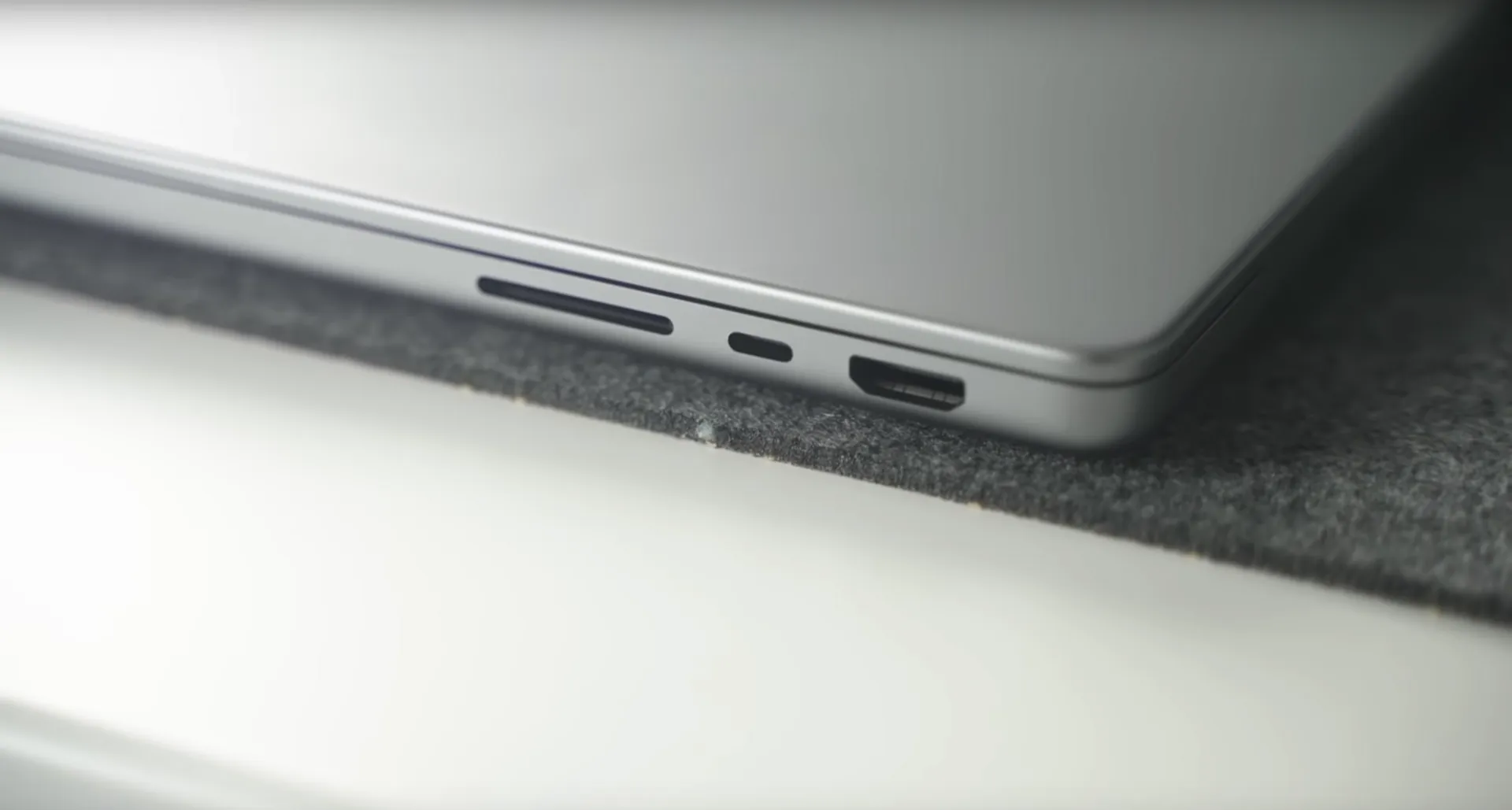
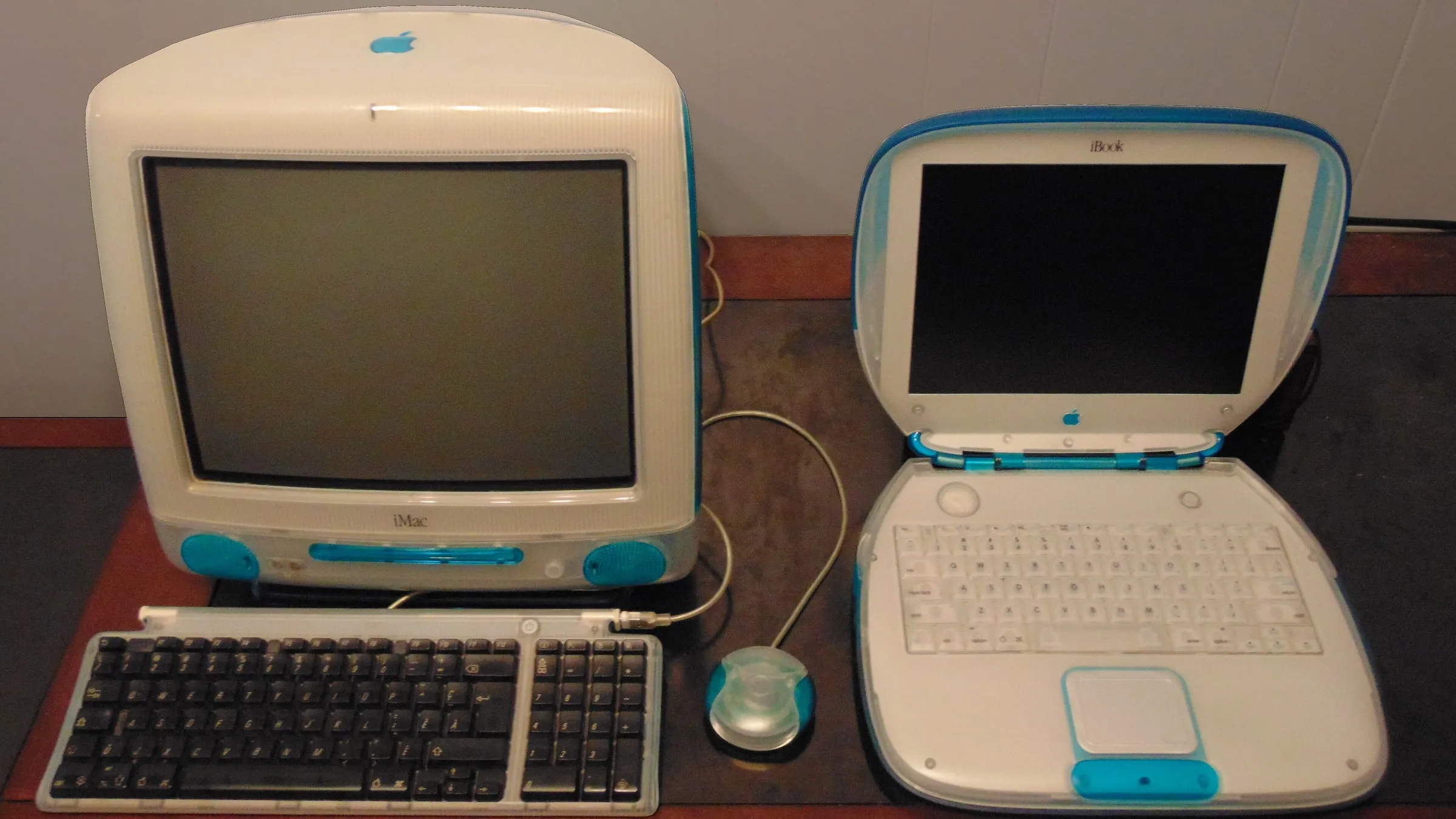
Apple rarely reverses itself in public, but the timeline has six second lives. Four arrived on 18 October 2021, when the 14- and 16-inch MacBook Pro brought back MagSafe, HDMI, an SD card slot and a full row of physical function keys in place of the Touch Bar.
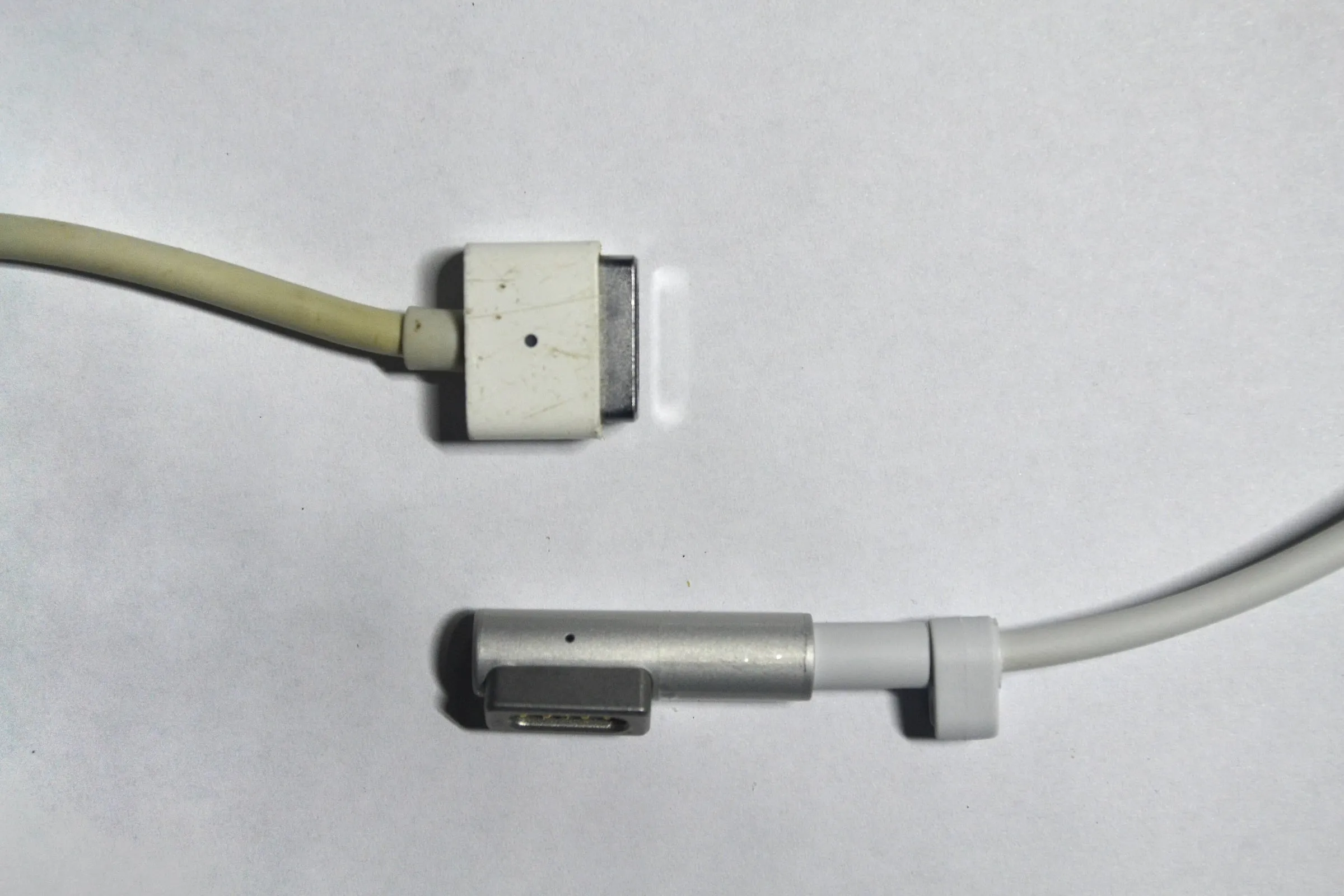
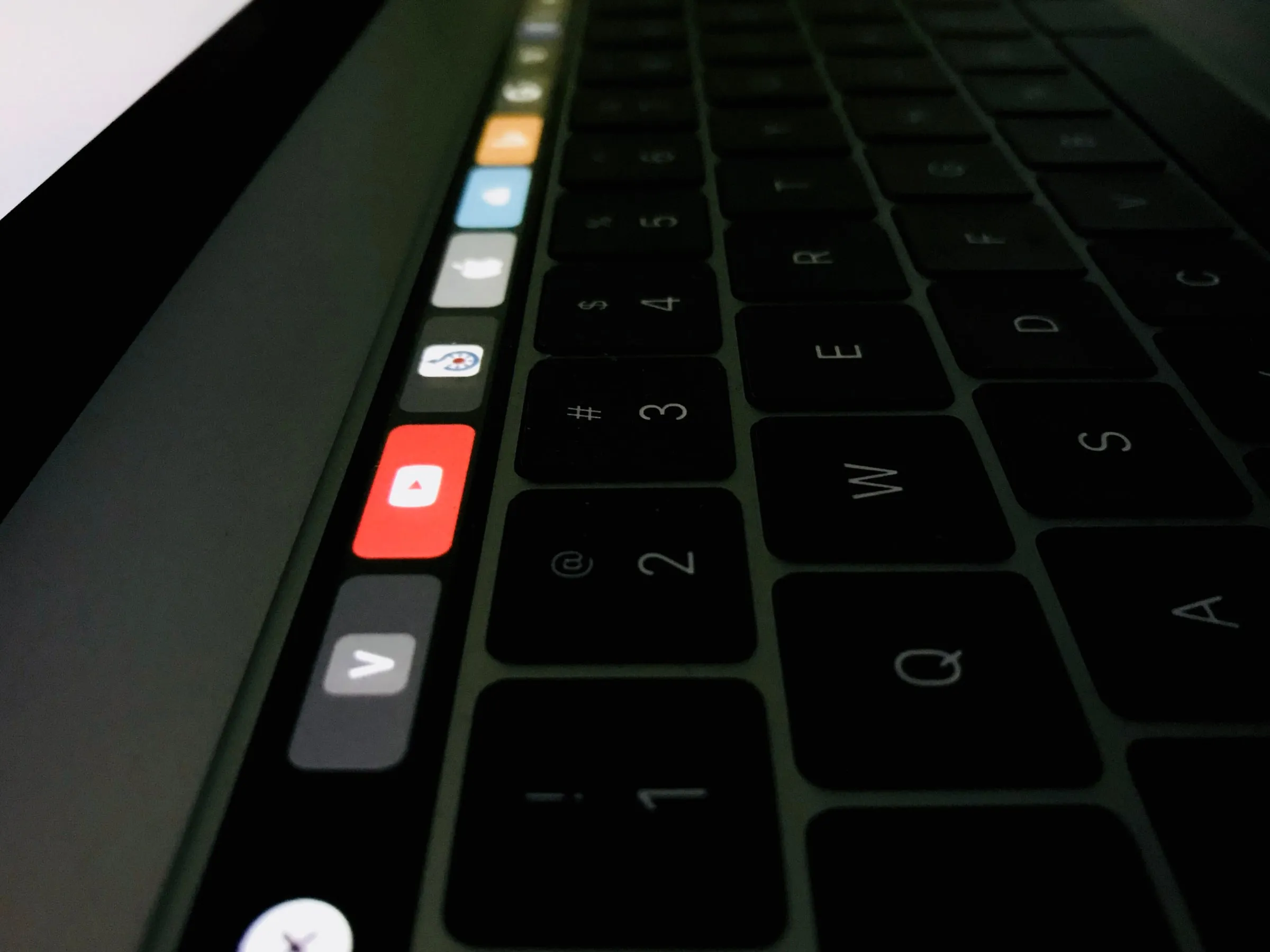
MagSafe returned in 2021. The Touch Bar that had replaced the function keys lasted until October 2023.
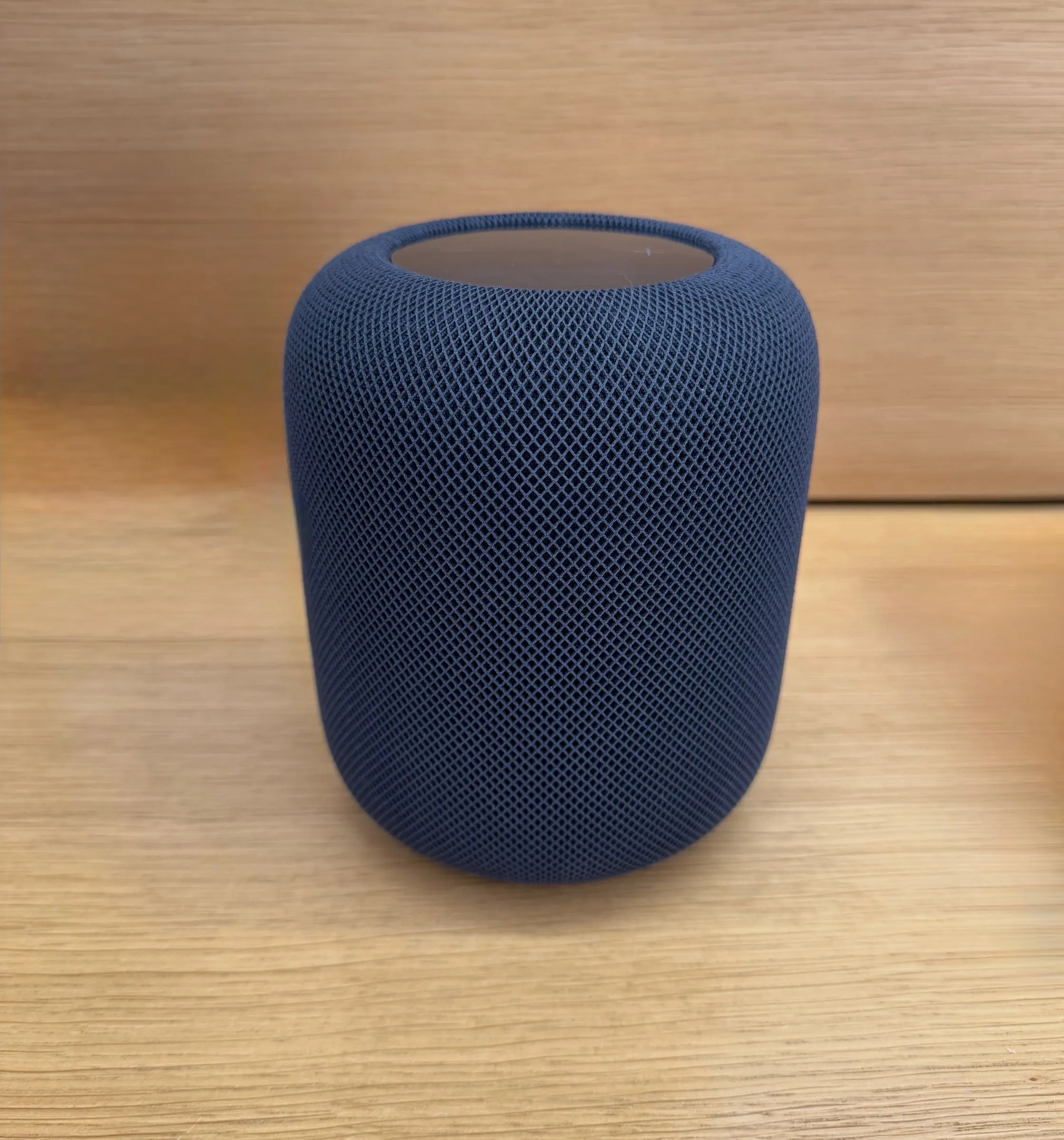
Measured from the last product that still had them, they were away for between 2.3 and 3.3 years. Measured from the October 2016 MacBook Pro that first took them out, it was five. Apple’s own displays went in June 2016, when the Thunderbolt Display was discontinued. Apple pointed buyers to other makers and that October began selling LG’s UltraFine screens. The Pro Display XDR went on sale in December 2019. The full-size HomePod was discontinued in March 2021 and returned, as a second generation, in February 2023.
Fig. 5 · Second lives
First life, time away and second life for the six returns, 2004 to 2026.
| Cinema and Thunderbolt Displays | Aug 1999 – Jun 2016 | 3.5 | Dec 2019 |
|---|---|---|---|
| HomePod | Feb 2018 – Mar 2021 | 1.9 | Feb 2023 |
| MagSafe (Mac laptops) | Jan 2006 – Jul 2019 | 2.3 | Oct 2021 |
| Function keys (MacBook Pro) | Jan 2006 – Jul 2019 | 2.3 | Oct 2021 |
| SD card slot (Mac laptops) | Jun 2009 – Jul 2019 | 2.3 | Oct 2021 |
| HDMI (MacBook Pro) | Jun 2012 – Jul 2018 | 3.3 | Oct 2021 |
Apple’s own displays, gone for three and a half years, and the full-size HomePod, gone for almost two.
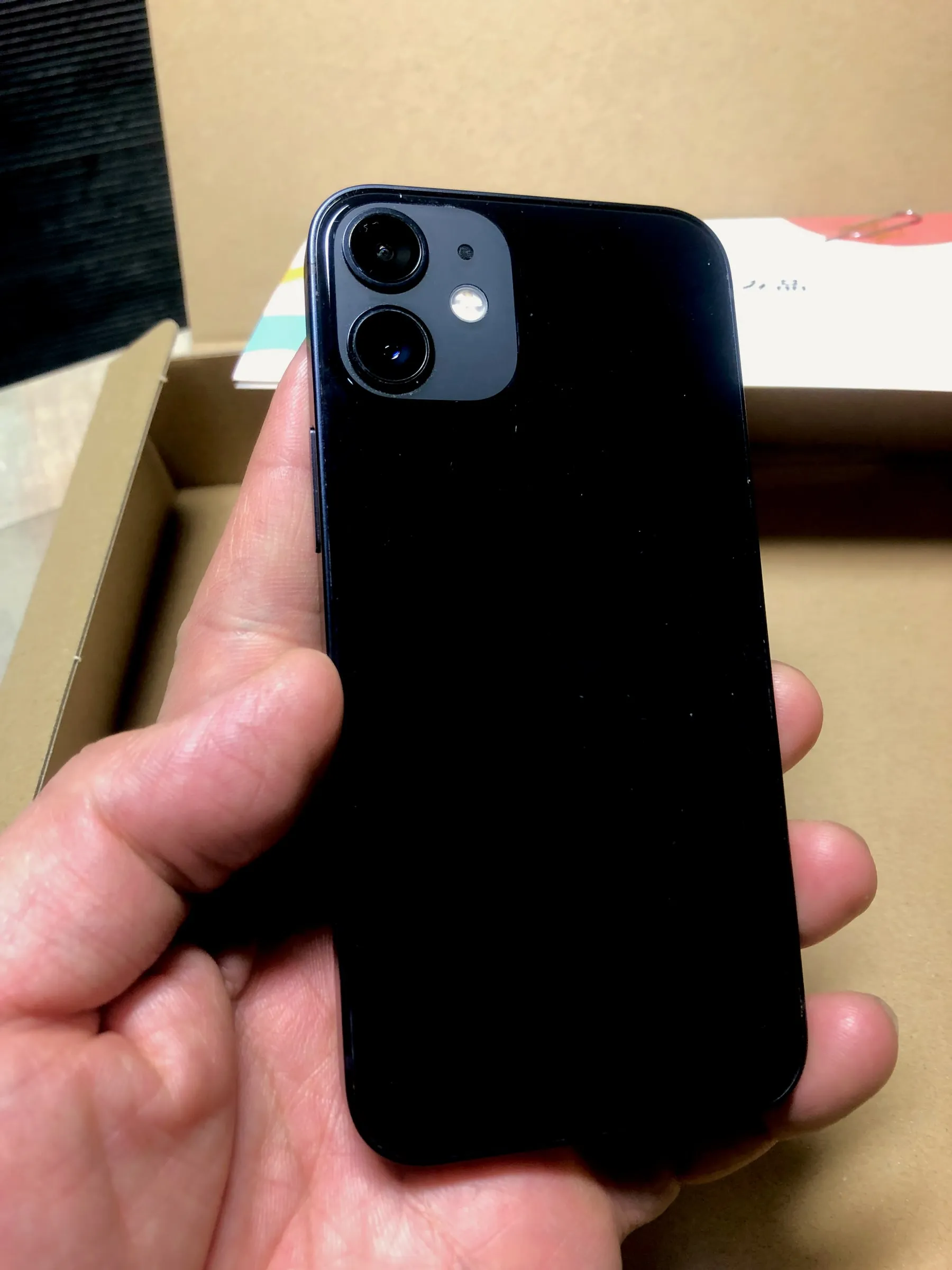
Other things stayed gone. No mini iPhone has followed the 13 mini, and the USB-A port never returned to the MacBook Pro.
05 · Ports
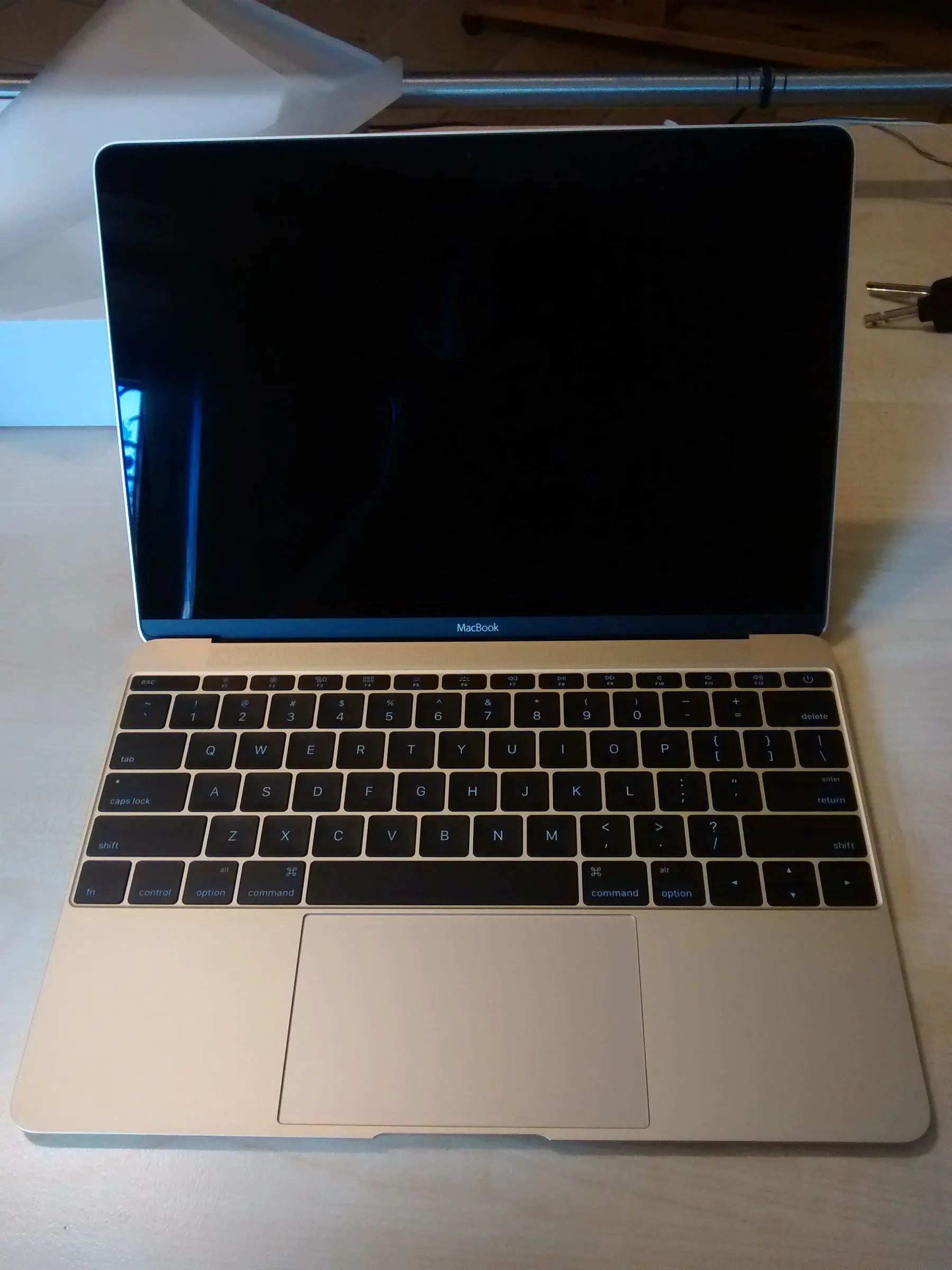
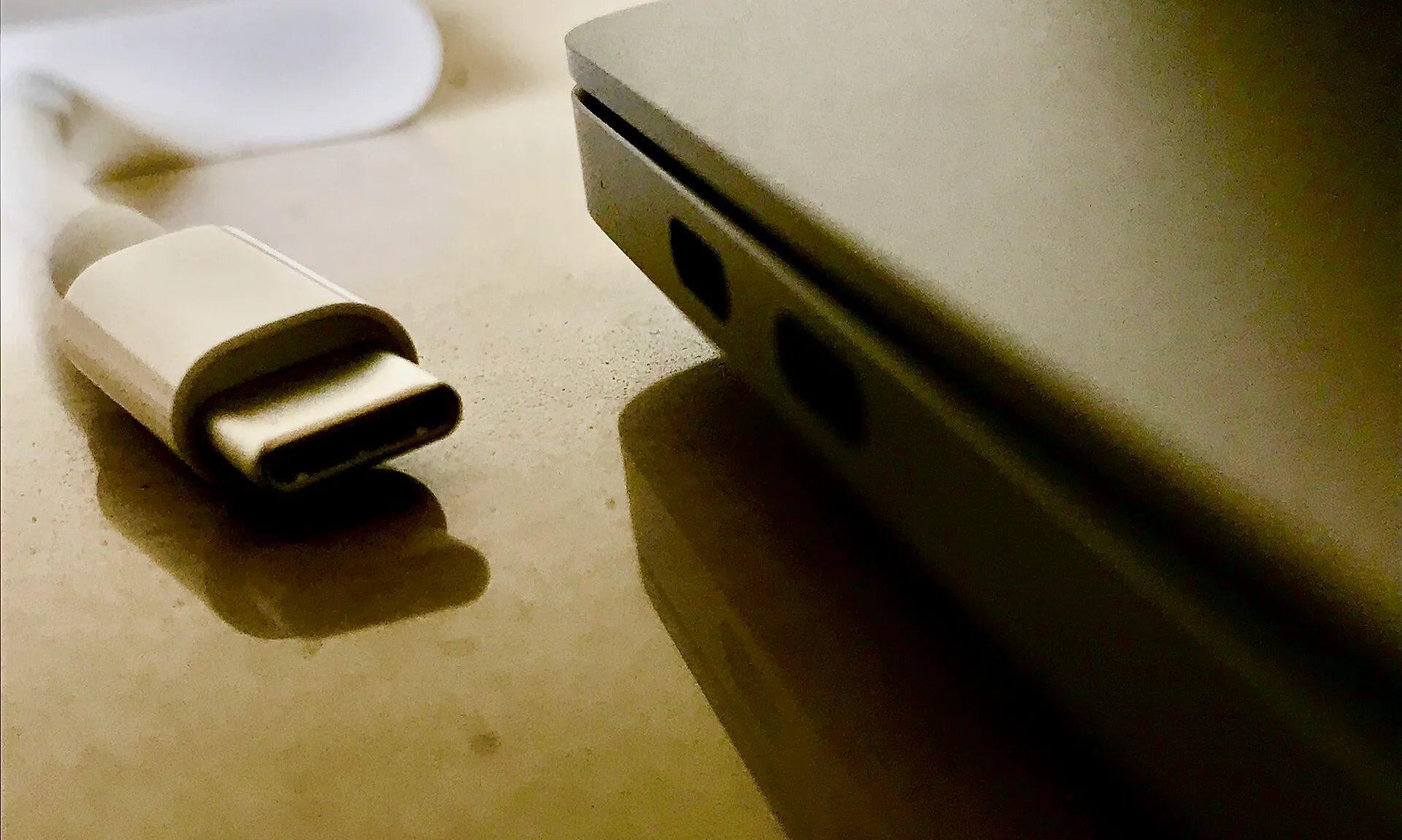
The October 2016 MacBook Pro is the clearest single act of subtraction on the timeline. The 15-inch model it replaced had MagSafe 2, two Thunderbolt 2 ports, two USB-A ports, HDMI, an SD slot and a headphone jack. The new one had four USB-C ports and the headphone jack.
Mid-2015
Late 2016
2021
The USB-C-only edge of the MacBook Pro, and the 2021 model with its SD slot and HDMI port.
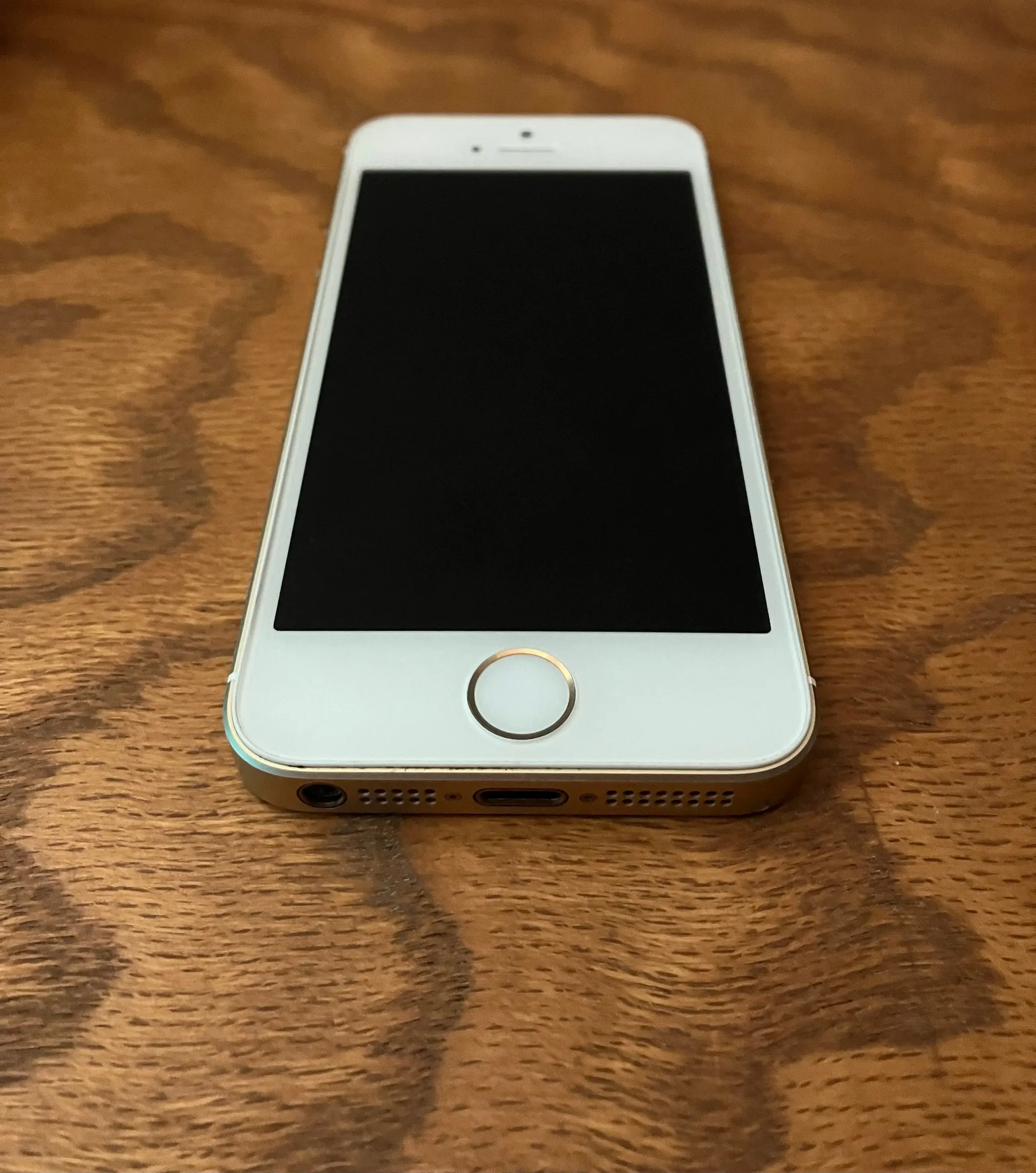
The iPhone had lost its jack the month before, with the iPhone 7, although Apple kept selling jack-equipped iPhones until September 2018. Lightning lasted eleven years on the flagship before USB-C arrived with the iPhone 15 in September 2023. The last Lightning iPhones, the iPhone 14 and the third iPhone SE, were discontinued on 19 February 2025.
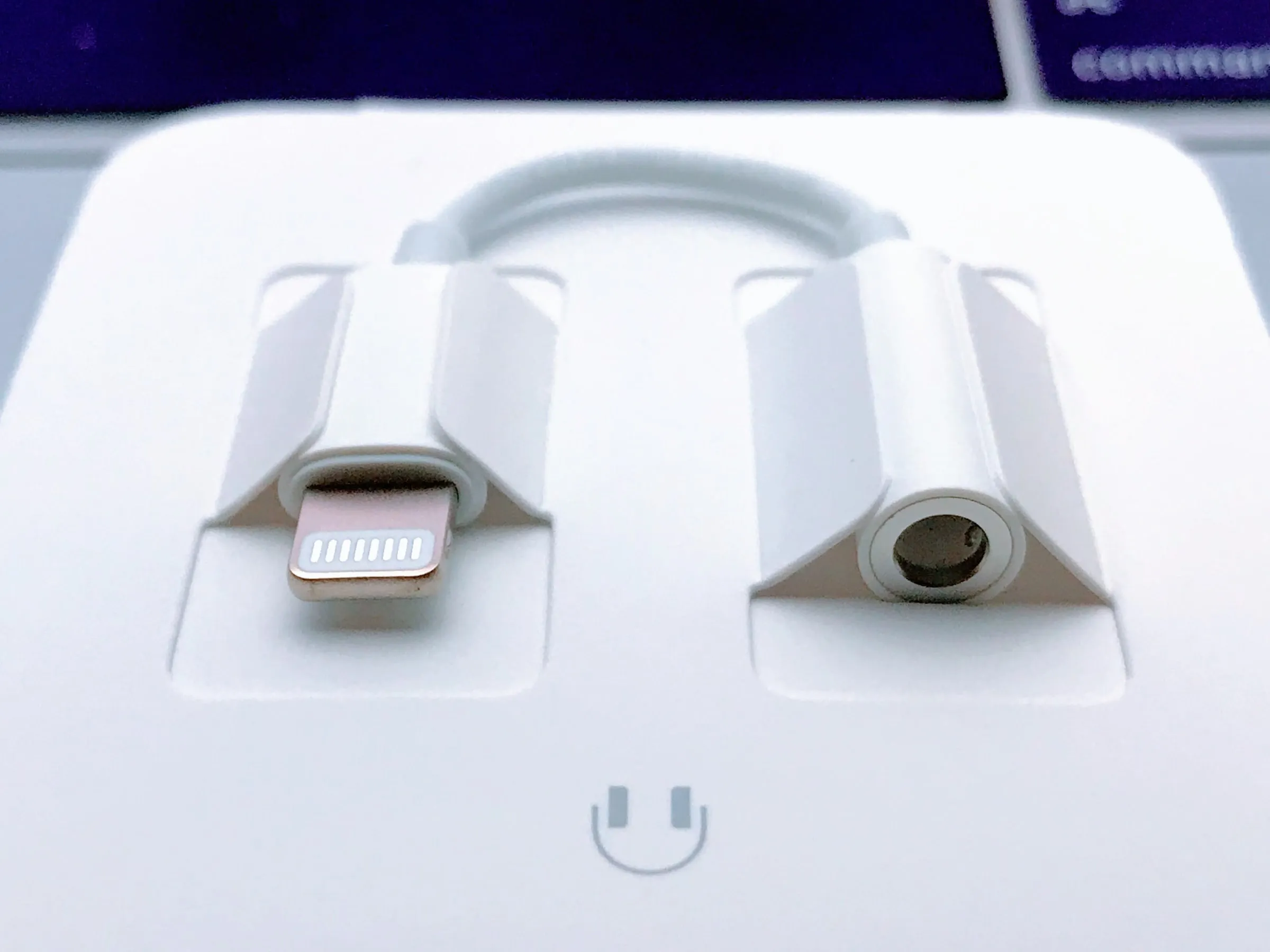
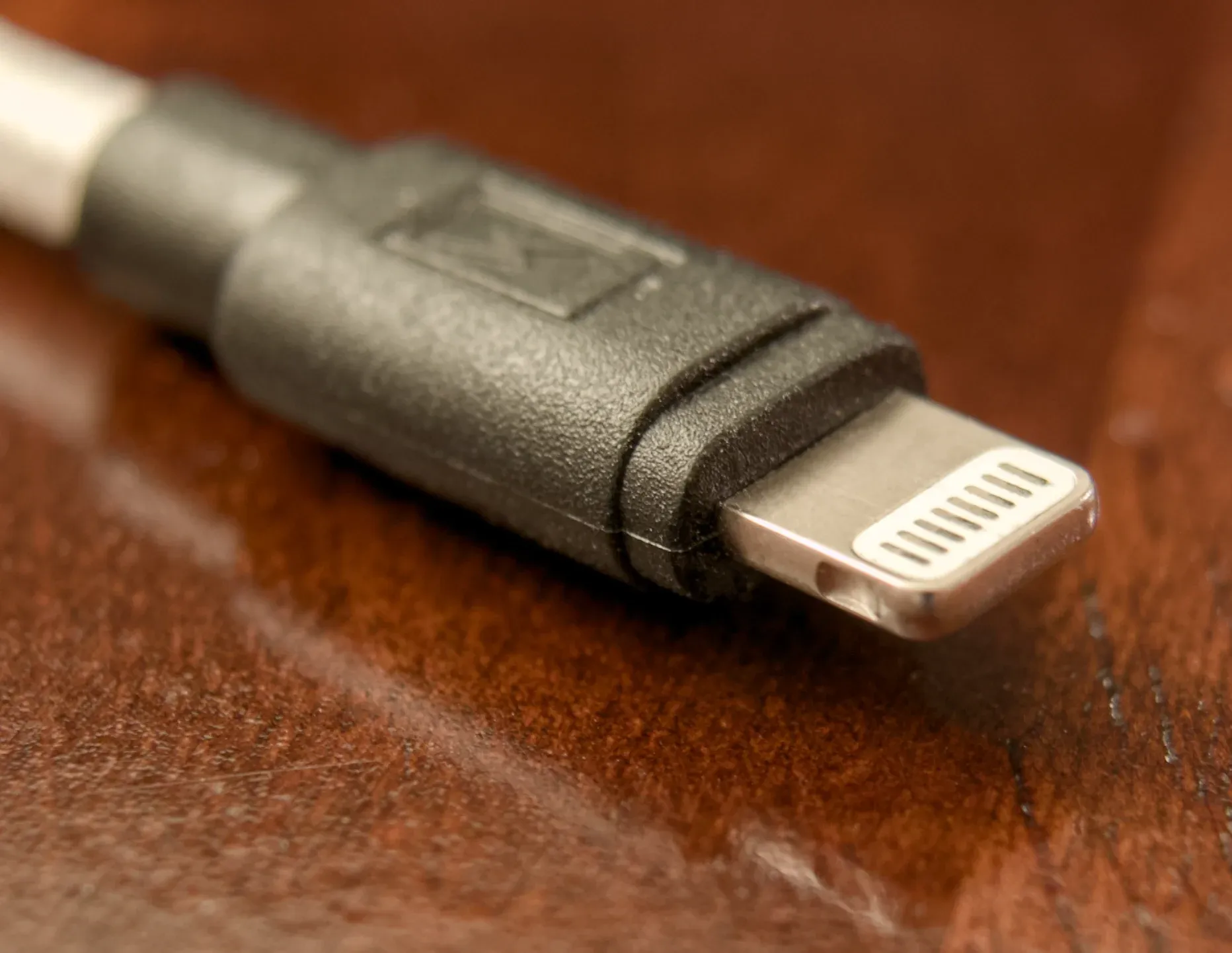
Apple’s Lightning to headphone jack adapter, and the Lightning plug itself, which outlived the iPhone’s jack by six years.
06 · 2025 and 2026
The 2019 Mac Pro. KKPCW / CC BY-SA 4.0
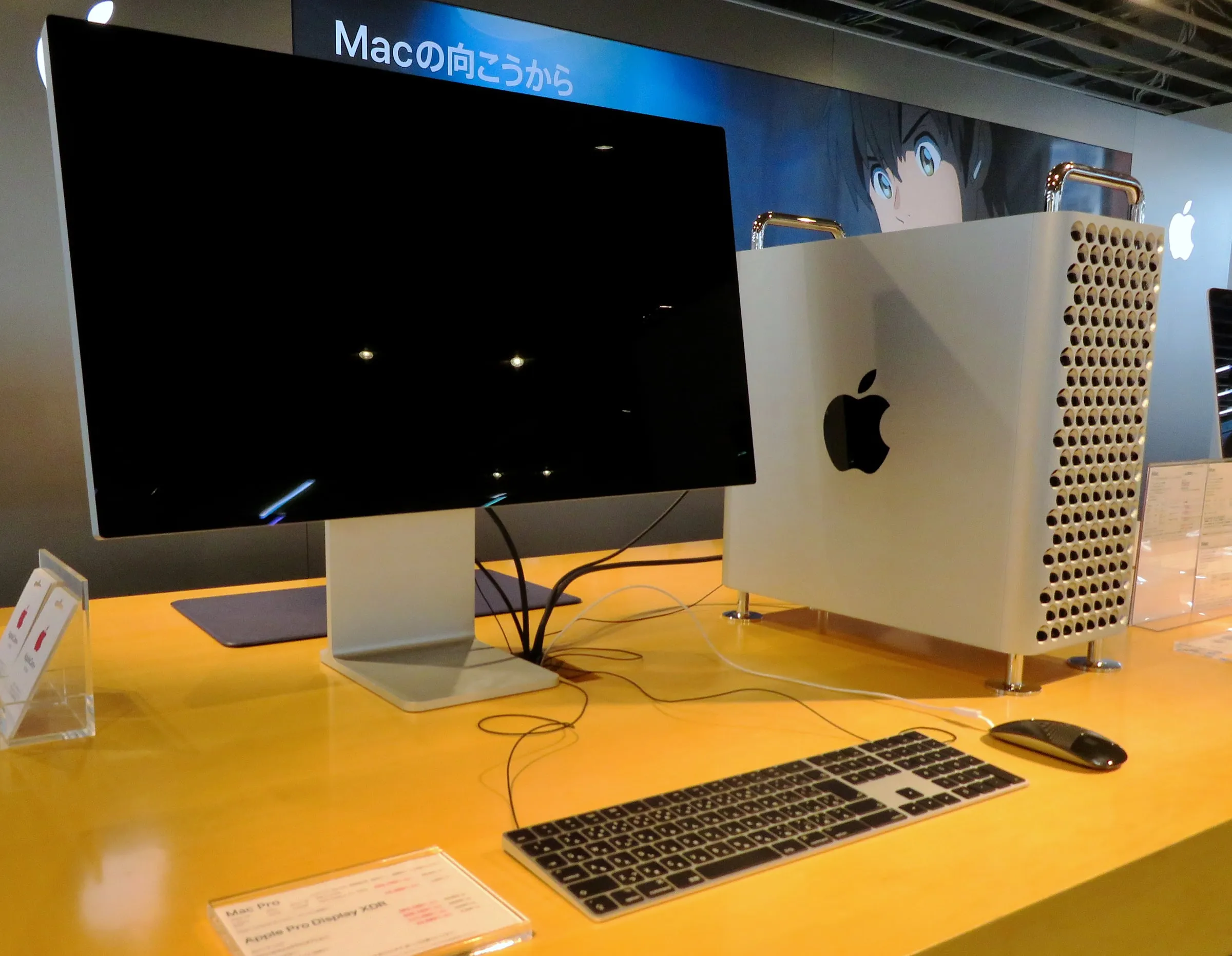
The graveyard is still filling. On 19 February 2025 the iPhone 16e replaced the iPhone SE, and with it went the last Lightning iPhones. In October 2025 Apple pulled its Clips video app from the App Store. In March 2026 the Pro Display XDR gave way to the Studio Display XDR, and three weeks later Apple told reporters it had no plans for future Mac Pro hardware. The line had lasted nineteen years and seven months. On 9 September, the day Apple announced the iPhone 18 Pro, the iPhone 16 Plus left the online store without comment, the last of the Plus line.
Fig. 6 · The newest graves
Each stone’s height is proportional to lifespan, in order of discontinuation.
| iPhone SE | 21 March 2016 | 19 February 2025 | 8.9 |
|---|---|---|---|
| Lightning (iPhone) | 12 September 2012 | 19 February 2025 | 12.4 |
| Clips | 6 April 2017 | 10 October 2025 | 8.5 |
| Pro Display XDR | 10 December 2019 | 3 March 2026 | 6.2 |
| Mac Pro | 7 August 2006 | 26 March 2026 | 19.6 |
| iPhone Plus | 7 September 2022 | 9 September 2026 | 4.0 |
The iPhone SE, the Pro Display XDR and the last iPhone Plus.
07 · The register
Every grave in the timeline, with its dates, its lifespan and its epitaph. Sort by any column.
| Epitaph | ||||||
|---|---|---|---|---|---|---|
| Apple I | Hardware | July 1976 | 30 September 1977 | 1.2 | Discontinued | Sold as a bare circuit board for US$666.66. Roughly 200 were made. |
| Apple II series | Hardware | 10 June 1977 | 15 November 1993 | 16.4 | Discontinued | Sixteen years across the II, II+, IIe, IIc and IIGS. The IIe was the last to go. |
| Apple III | Hardware | 19 May 1980 | September 1985 | 5.3 | Discontinued | Recalled for stability problems, then reintroduced. The III Plus carried the name to September 1985. |
| Lisa | Hardware | 19 January 1983 | 29 April 1985 | 2.3 | Discontinued | Launched at US$9,995. Its final units were sold as the Macintosh XL. |
| HyperCard | Software & services | 11 August 1987 | March 2004 | 16.6 | Discontinued | Bill Atkinson’s build-it-yourself software kit, bundled with every new Mac from 1987. |
| Newton MessagePad | Hardware | 2 August 1993 | 27 February 1998 | 4.6 | Discontinued | Apple ended Newton OS development to put its software effort into the Mac OS. |
| QuickTake camera | Hardware | 17 February 1994 | c. 1997 | 3.4 | Discontinued | One of the first consumer digital cameras, made with Kodak. The name returned in 2018 as an iPhone video feature. |
| eWorld | Software & services | 20 June 1994 | 31 March 1996 | 1.8 | Discontinued | Apple’s own online service. Its members were moved to America Online. |
| Pippin | Hardware | March 1996 | c. 1997 | 1.3 | Discontinued | A Mac-based games and multimedia console, built with Bandai. Roughly 42,000 sold. |
| eMate 300 | Hardware | 7 March 1997 | 27 February 1998 | 1.0 | Discontinued | A Newton with a keyboard, sold to schools. It went with the rest of the Newton line. |
| Twentieth Anniversary Macintosh | Hardware | 20 March 1997 | 14 March 1998 | 1.0 | Discontinued | US$7,499 at launch. Apple cleared the last of about 12,000 for under US$2,000. |
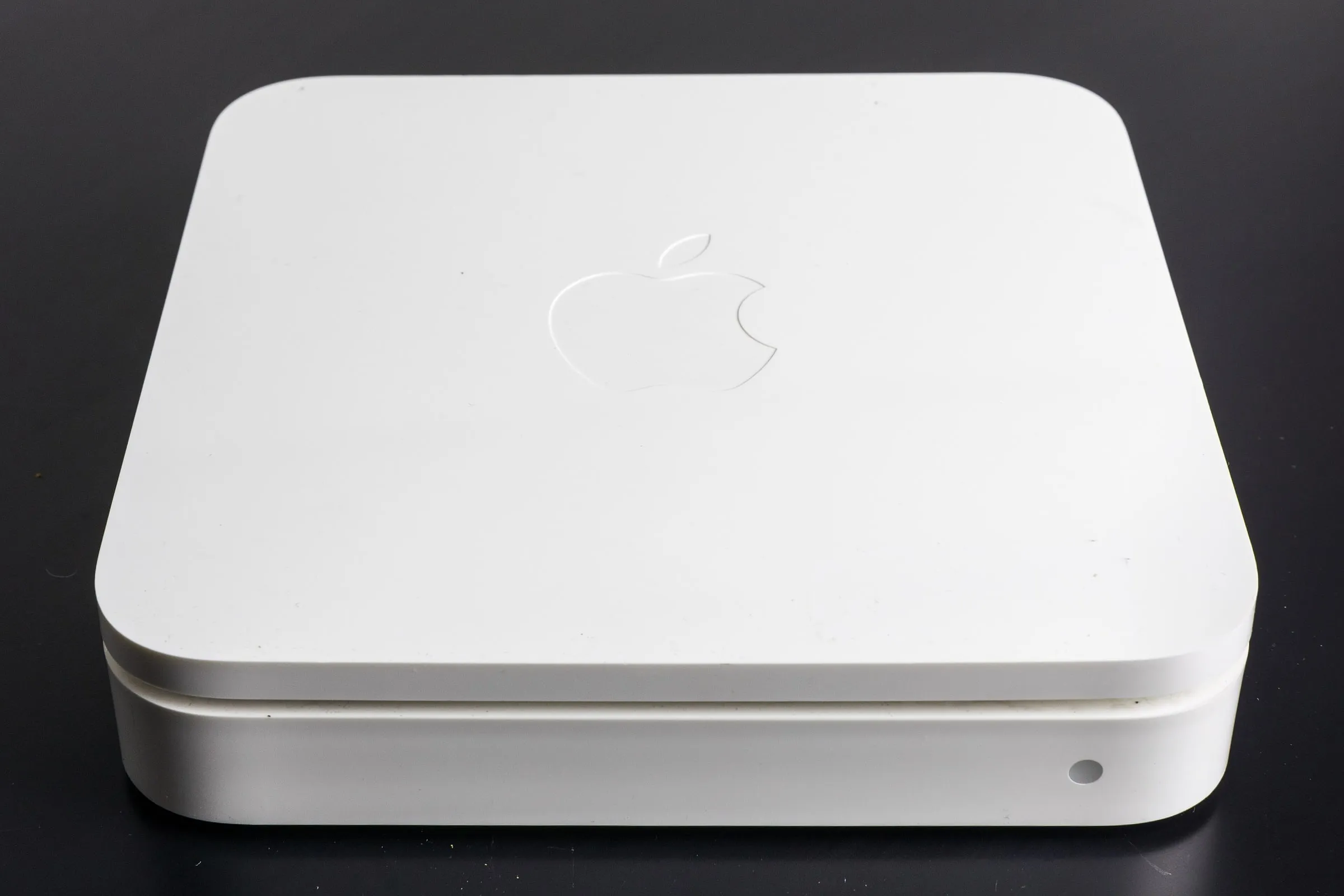
| AirPort base stations | Hardware | 21 July 1999 | 26 April 2018 | 18.8 | Discontinued | Wi-Fi for the iBook in 1999, then Express, Extreme and Time Capsule. Production ended in April 2018. |
| Cinema and Thunderbolt Displays | Hardware | 31 August 1999 | 23 June 2016 | 16.8 | Came back, Dec 2019 | From the 22-inch Cinema Display to the Thunderbolt Display. In 2016 Apple pointed buyers to other makers’ monitors. The Pro Display XDR went on sale in December 2019. |
| Power Mac G4 Cube | Hardware | 19 July 2000 | 3 July 2001 | 1.0 | Discontinued | A Power Mac G4 in an eight-inch cube. Most buyers chose the tower, so Apple put it on ice. |
| iTunes (Mac) | Software & services | 9 January 2001 | 7 October 2019 | 18.7 | Discontinued | Split into Music, Podcasts and TV with macOS Catalina. The iTunes Store stayed open. |
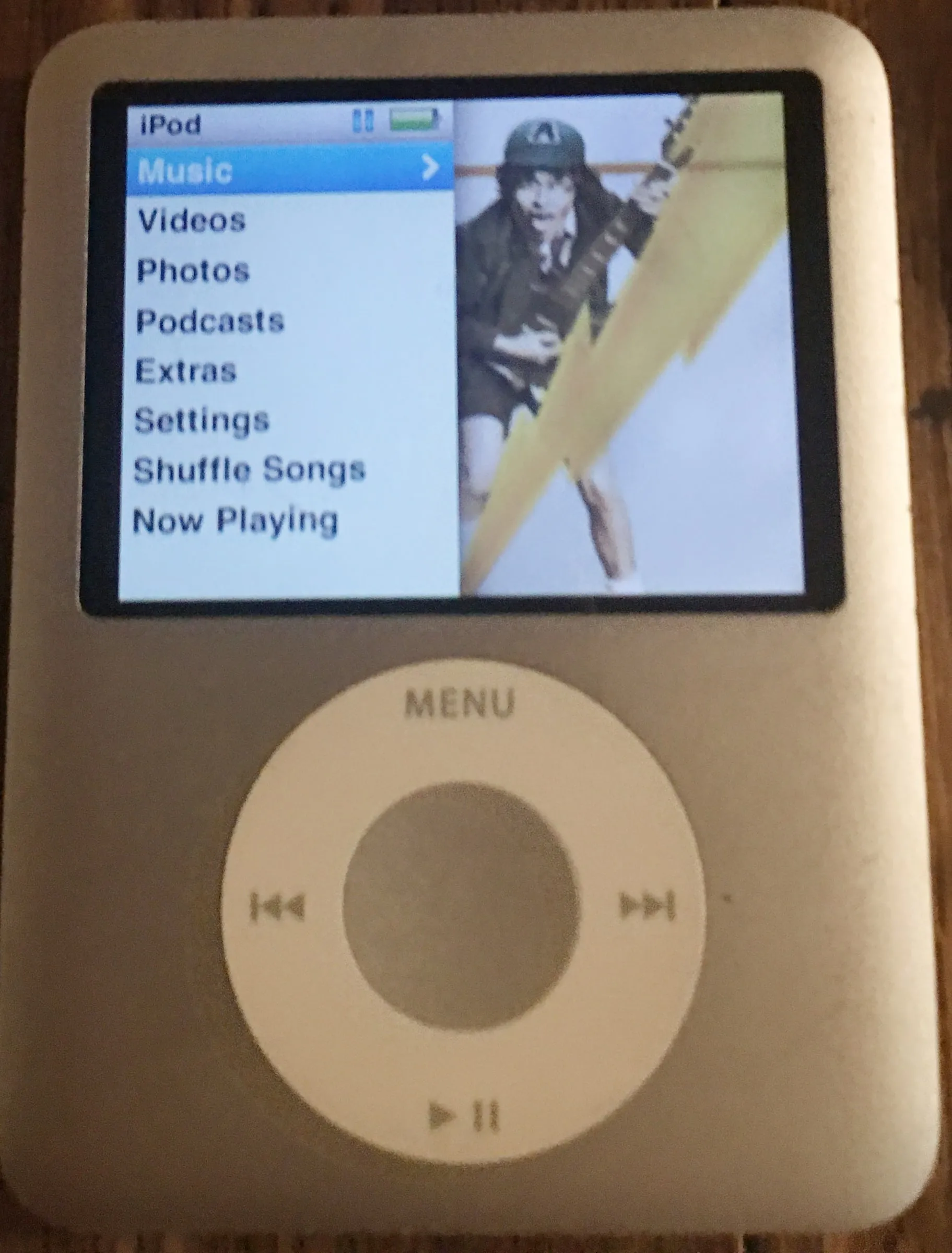
| iPod (classic) | Hardware | 23 October 2001 | 9 September 2014 | 12.9 | Discontinued | The original hard-drive iPod. Tim Cook said Apple could no longer source the parts. |
| iPhoto | Software & services | 7 January 2002 | 8 April 2015 | 13.2 | Discontinued | Free with every Mac for thirteen years. Replaced by Photos. |
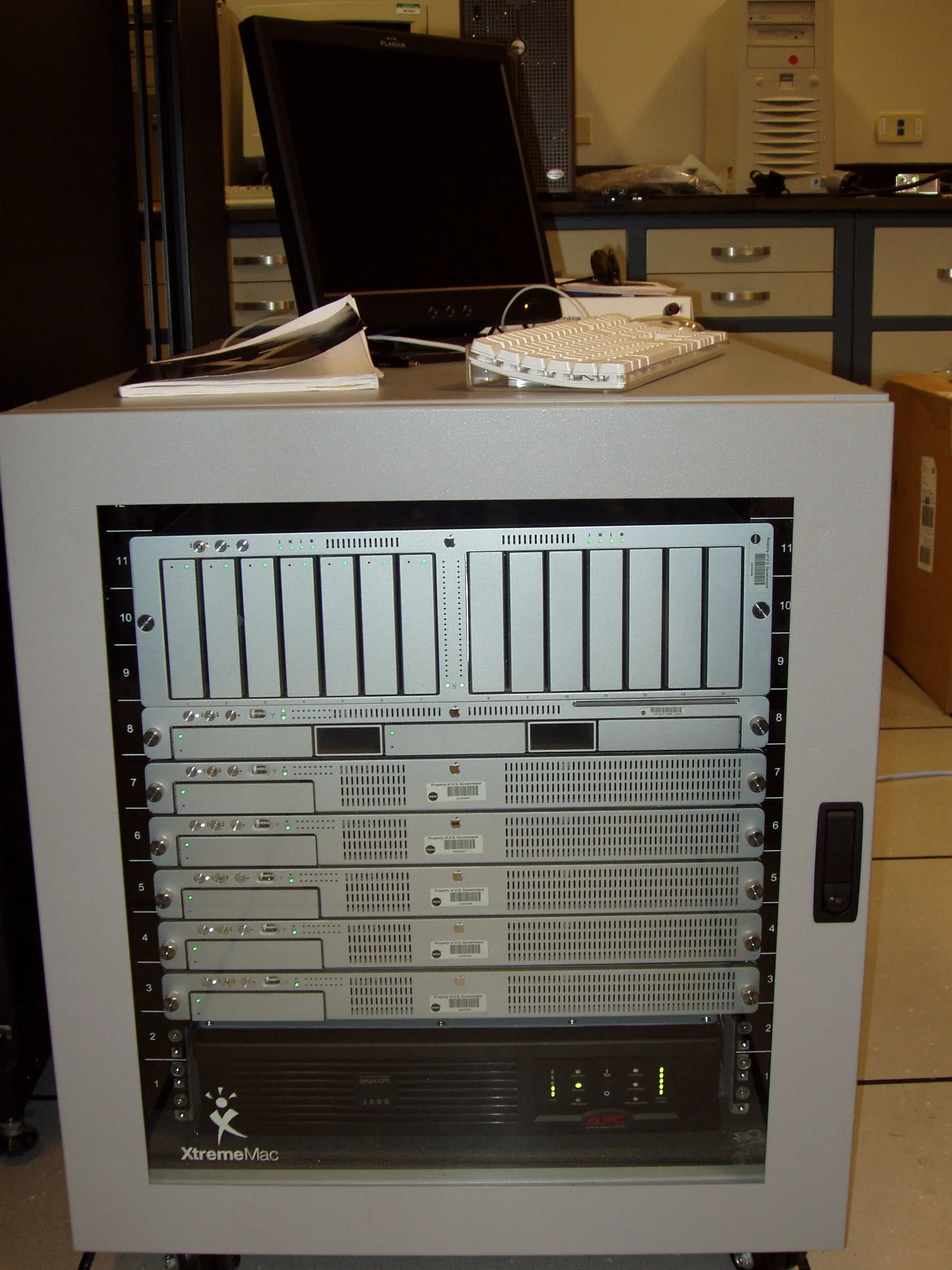
| Xserve | Hardware | 14 May 2002 | 31 January 2011 | 8.7 | Discontinued | Apple’s rack-mount server. Buyers were pointed to the Mac Pro and Mac mini servers. |
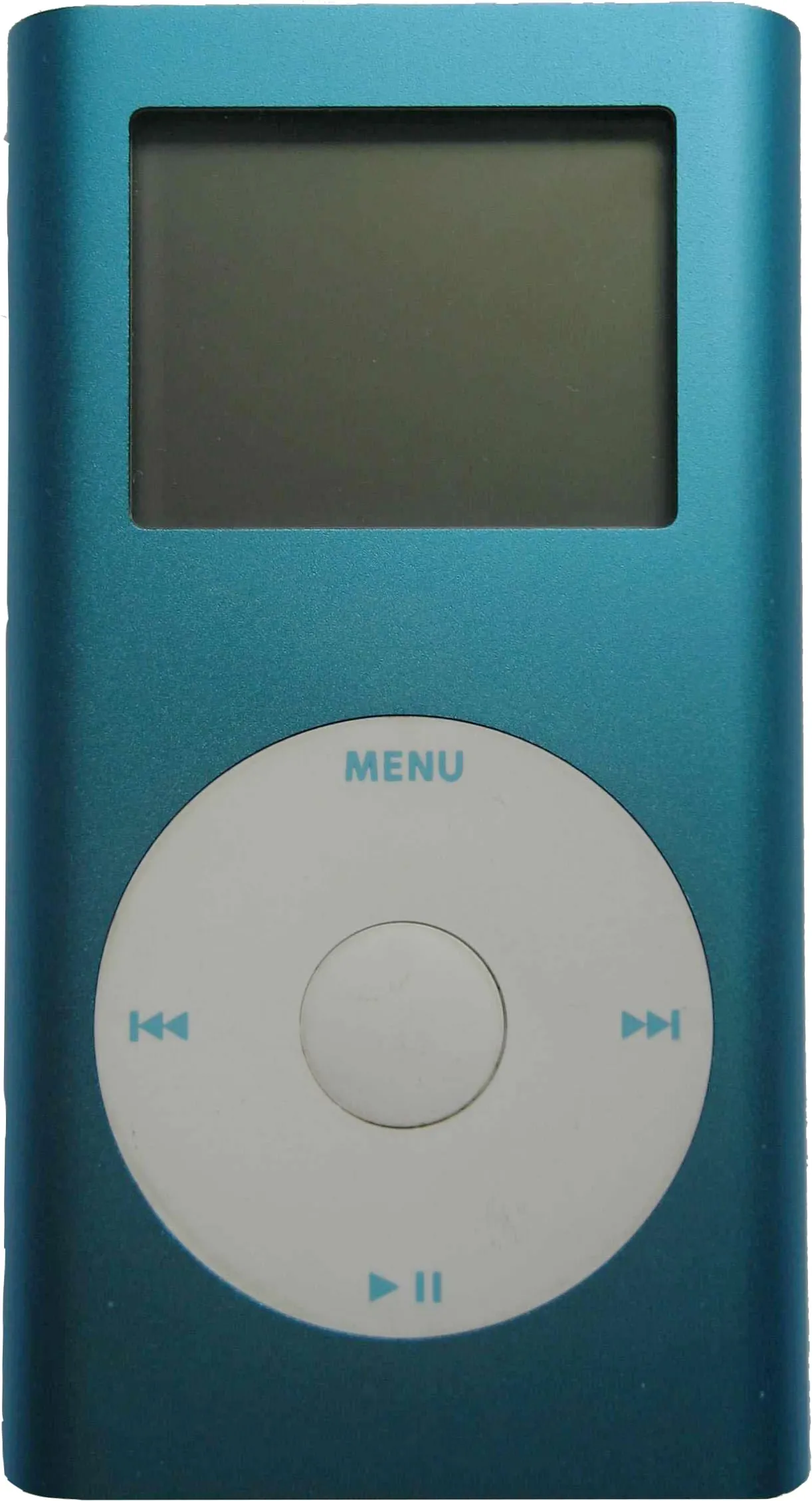
| iPod mini | Hardware | 6 January 2004 | 7 September 2005 | 1.7 | Discontinued | Replaced on its last day by the thinner iPod nano. |
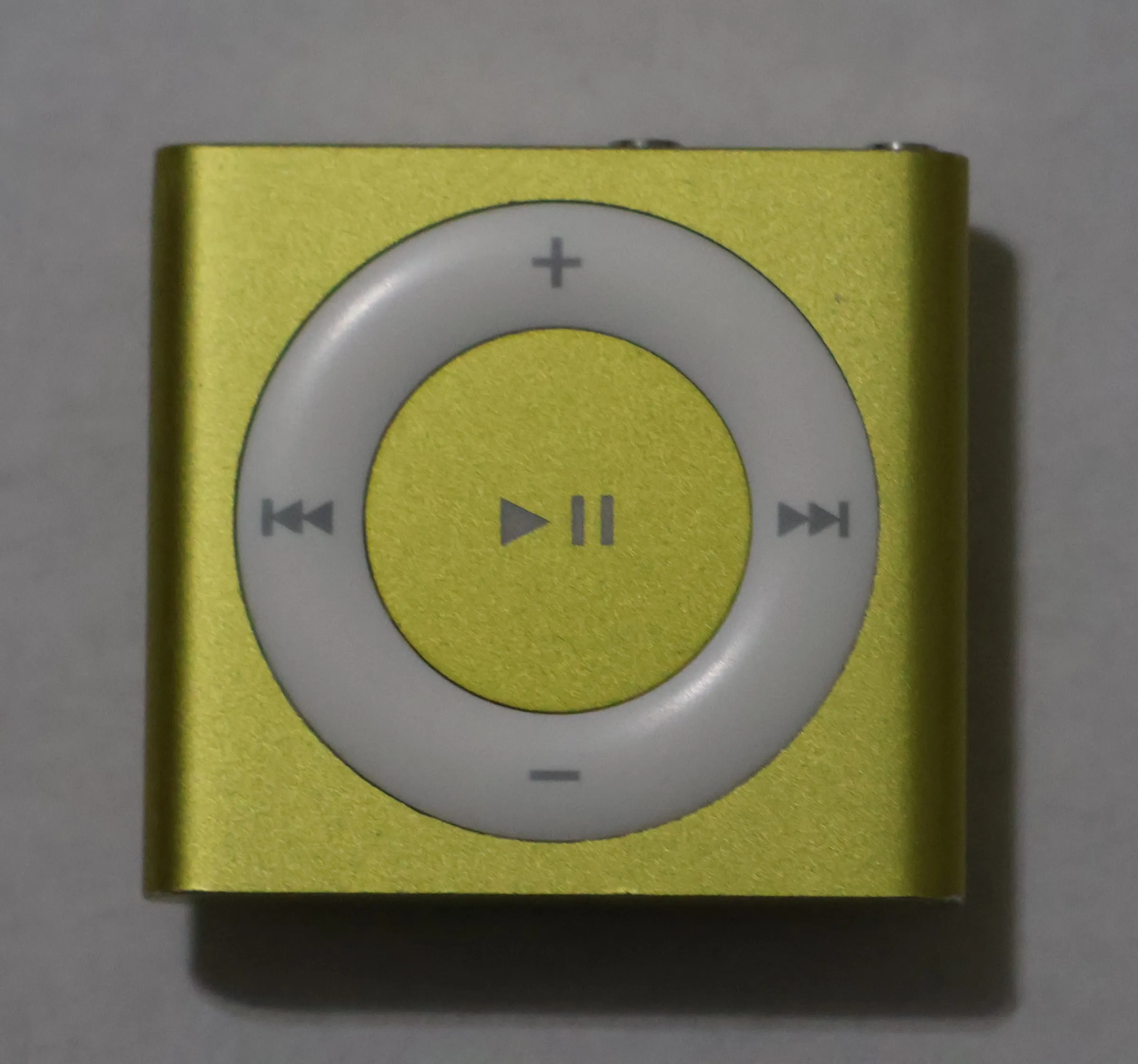
| iPod shuffle | Hardware | 11 January 2005 | 27 July 2017 | 12.5 | Discontinued | Never had a screen. Left on the same day as the nano. |
| Dashboard | Software & services | 29 April 2005 | 7 October 2019 | 14.4 | Discontinued | Widgets on a layer of their own. Off by default from 2014, removed in Catalina. |
| iPod nano | Hardware | 7 September 2005 | 27 July 2017 | 11.9 | Discontinued | Seven generations in twelve years, in almost as many shapes. |
| Aperture | Software & services | November 2005 | 8 April 2015 | 9.4 | Discontinued | Apple’s professional photo app. Development stopped in June 2014; sales the next April. |
| MagSafe (Mac laptops) | Ports & features | 10 January 2006 | 9 July 2019 | 13.5 | Came back, Oct 2021 | Gone from the MacBook Pro in 2016 and the last MacBook Air in 2019. MagSafe 3 arrived in October 2021. |
| Function keys (MacBook Pro) | Ports & features | 10 January 2006 | 9 July 2019 | 13.5 | Came back, Oct 2021 | Displaced by the Touch Bar; the last MacBook Pro without one went in July 2019. A full row returned in 2021. |
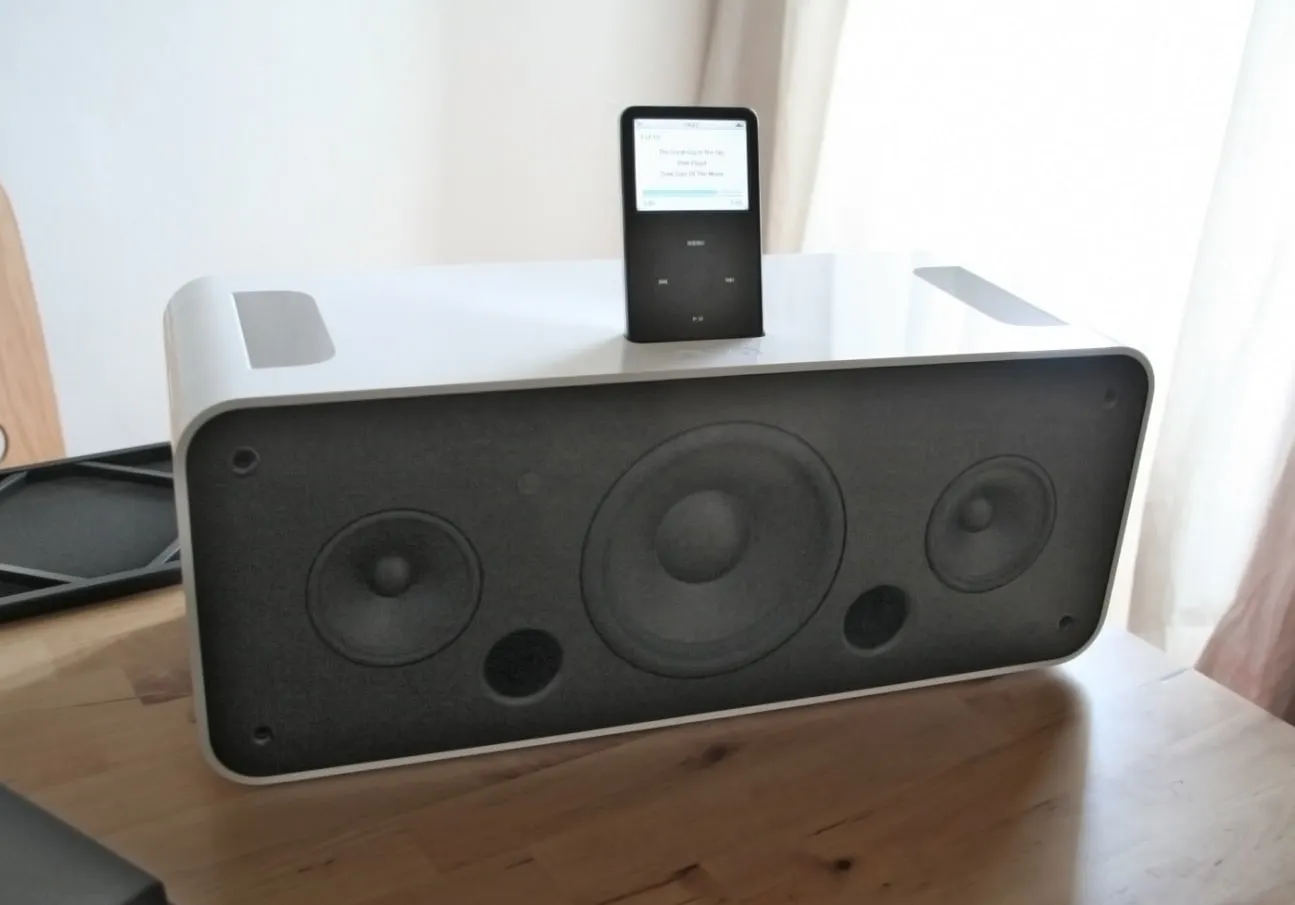
| iPod Hi-Fi | Hardware | 28 February 2006 | 5 September 2007 | 1.5 | Discontinued | A US$349 speaker for the iPod. Gone from the online store after 18 months. |
| Mac Pro | Hardware | 7 August 2006 | 26 March 2026 | 19.6 | Discontinued | Aluminium towers, a black cylinder in 2013, then a lattice-fronted tower in 2019. Apple says no future Mac Pro hardware is planned. |
| Headphone jack (iPhone) | Ports & features | 29 June 2007 | 12 September 2018 | 11.2 | Discontinued | Gone from the iPhone 7 in 2016. The iPhone SE and 6s kept it on sale until September 2018. |
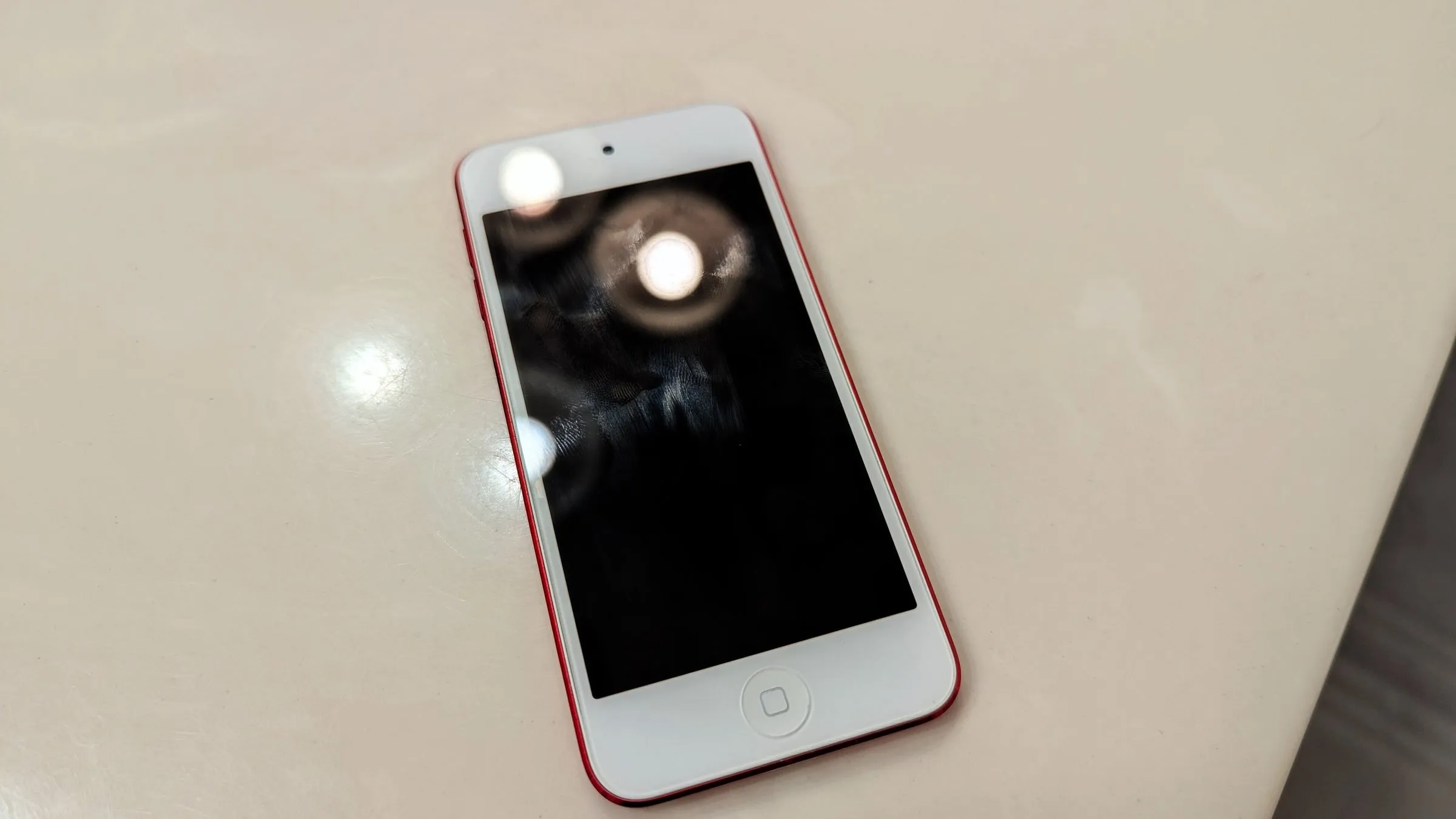
| iPod touch | Hardware | 5 September 2007 | 10 May 2022 | 14.7 | Discontinued | The last iPod. Sold while supplies lasted from 10 May 2022. |
| MobileMe | Software & services | July 2008 | 30 June 2012 | 4.0 | Discontinued | A rough launch, which Steve Jobs said was not up to Apple’s standards. Succeeded by iCloud. |
| SD card slot (Mac laptops) | Ports & features | 8 June 2009 | 9 July 2019 | 10.1 | Came back, Oct 2021 | On the MacBook Pro from 2009. The 2017 MacBook Air was the last with one, until 2021. |
| Ping | Software & services | 1 September 2010 | 30 September 2012 | 2.1 | Discontinued | A music social network inside iTunes. Facebook sharing replaced it. |
| My Photo Stream | Software & services | October 2011 | 26 July 2023 | 11.8 | Discontinued | Free photo sync, thirty days at a time. Replaced by iCloud Photos. |
| HDMI (MacBook Pro) | Ports & features | 11 June 2012 | 12 July 2018 | 6.1 | Came back, Oct 2021 | Arrived with the Retina MacBook Pro. Left with the 2015 model in July 2018; back in 2021. |
| Lightning (iPhone) | Ports & features | 12 September 2012 | 19 February 2025 | 12.4 | Discontinued | Replaced by USB-C on the iPhone 15. The iPhone 14 and SE were the last Lightning iPhones on sale. |
| Apple Car (Project Titan) | Hardware | c. 2014 | 27 February 2024 | – | Never shipped | Never announced. About 2,000 staff were told on 27 February 2024 that the work was winding down. |
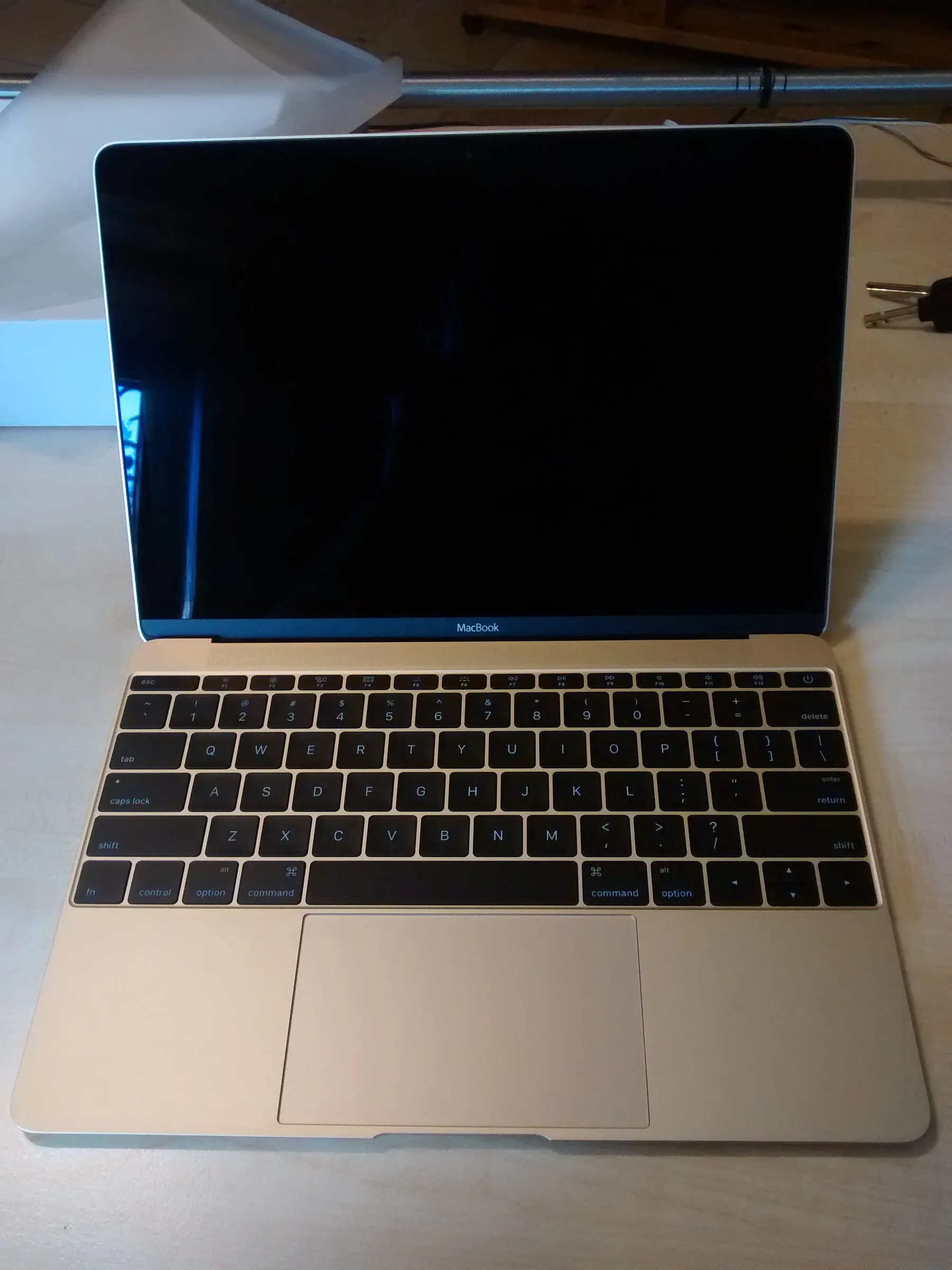
| 12-inch MacBook | Hardware | 9 March 2015 | 9 July 2019 | 4.3 | Discontinued | One USB-C port and the first butterfly keyboard. |
| Butterfly keyboard | Ports & features | 9 March 2015 | 4 May 2020 | 5.2 | Discontinued | Very thin keys, and the subject of a long repair programme. Scissor switches replaced them by May 2020. |
| Apple Watch Edition | Hardware | 24 April 2015 | 7 September 2022 | 7.4 | Discontinued | The 18-carat gold models, from US$10,000, went in September 2016. Other materials carried the name to 2022. |
| 3D Touch | Ports & features | 9 September 2015 | 15 April 2020 | 4.6 | Discontinued | Pressure-sensitive screens from the iPhone 6s. Haptic Touch replaced it; the iPhone 8 was the last to have it. |
| iPhone SE | Hardware | 21 March 2016 | 19 February 2025 | 8.9 | Discontinued | Three generations of the small, cheaper iPhone. The iPhone 16e took its slot at US$599. |
| Touch Bar | Ports & features | 27 October 2016 | 30 October 2023 | 7.0 | Discontinued | A touchscreen strip above the keyboard. The 13-inch M2 MacBook Pro was its last home. |
| Clips | Software & services | 6 April 2017 | 10 October 2025 | 8.5 | Discontinued | A cheerful video app. Pulled from the App Store; existing copies still open. |
| AirPower | Hardware | 12 September 2017 | 29 March 2019 | – | Never shipped | Announced with iPhone X. Cancelled because it would not achieve Apple’s “high standards”. |
| HomePod | Hardware | 9 February 2018 | 12 March 2021 | 3.1 | Came back, Feb 2023 | Discontinued in March 2021 while HomePod mini carried on. A second generation arrived in February 2023. |
| Pro Display XDR | Hardware | 10 December 2019 | 3 March 2026 | 6.2 | Discontinued | US$4,999, stand extra. Replaced by the 27-inch Studio Display XDR. |
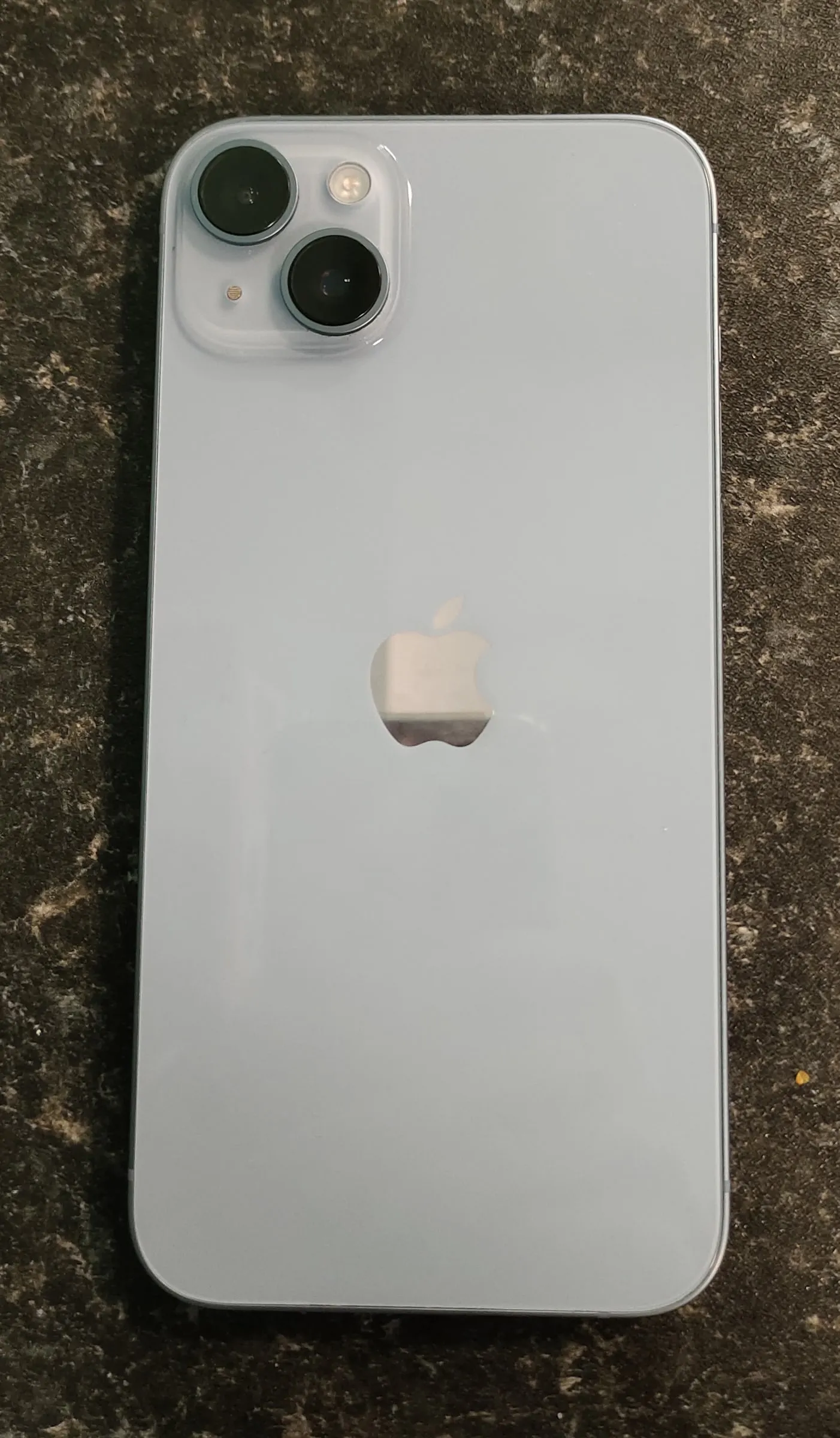
| iPhone mini | Hardware | 13 October 2020 | 12 September 2023 | 2.9 | Discontinued | Two generations, the 12 mini and the 13 mini. No 14 mini followed. |
| iPhone Plus | Hardware | 7 September 2022 | 9 September 2026 | 4.0 | Discontinued | The 14 Plus, 15 Plus and 16 Plus. Its place in the 2025 line-up went to iPhone Air. |
| Apple Pay Later | Software & services | 28 March 2023 | 17 June 2024 | 1.2 | Discontinued | Four payments over six weeks, US only. Replaced by lenders’ instalment loans in Apple Pay. |
Method. We counted product lines, categories, services and features that Apple discontinued, not individual models replaced by a newer version of the same thing. Born is the date Apple introduced the item or first put it on sale, whichever is clearer; for software and services it is the launch date. Died is the date Apple discontinued it, stopped selling it or shut it down. For ports and features, a life ends when the last Apple product that had it left the line-up: the iPhone headphone jack ends in September 2018, not with the iPhone 7 in 2016. Things that came back are measured by their first life. AirPower and the Apple Car never shipped; they appear on the timeline but not in lifespan statistics.
Notes. The iPhone Plus ended when the iPhone 16 Plus left Apple’s store on 9 September 2026; Apple made no announcement. The Lisa’s end is the 29 April 1985 discontinuation of the Macintosh XL, its final form. Dates marked “c.” are known only to the year: the end of QuickTake and of the Pippin (both 1997, here placed mid-year), and the start of Project Titan (2014; Apple never announced it). Aperture is dated from November 2005, when it shipped. The Apple III includes the III Plus, which ended in September 1985. Vision Pro is still on sale and is not counted. Apple’s 1997 financial results are fiscal years ending in September, in nominal US dollars.
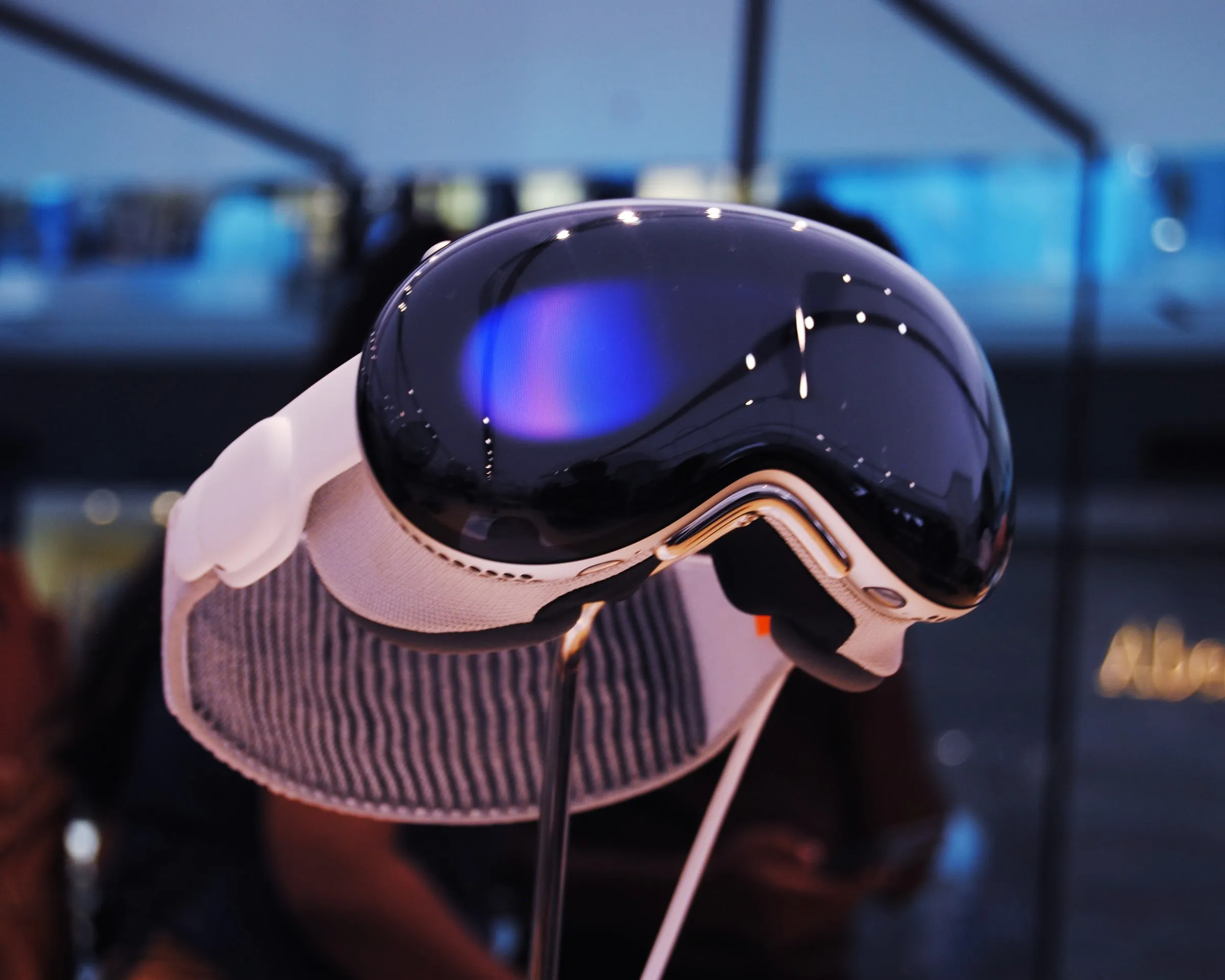
As of today Apple still sells the Vision Pro, from US$3,499 with an M5 chip. In August it cut about 100 jobs in the Vision Products Group, and told staff that Vision Pro and visionOS were staying. Until Apple says otherwise, it stays off the map.
Apple Vision Pro on display in Toronto, 2024. LR.127 / CC BY 4.0
Cite this
The Studio (2026). “Rest in Cupertino.” No. 014, published 2 November 2026. thestudio.nz/drops/apple-graveyard
Older
011TechApple
Every A- and M-series chip Apple has announced, from the iPad’s A4 in 2010 to this year’s 2nm M6 and A20 Pro. The transistor counts Apple published rose 184-fold. Then it stopped publishing them.
Newer
 002
DesignApple
Apple has offered 139 iPhone finishes since 2007, under 45 names. Two in three barely register as colour, and the bright ones almost always go to the cheaper phone.
The list
New stories land on Mondays. No noise in between, and you can leave whenever you like.
The list opens soon.
Until then, follow along with the RSS feed, or write to [email protected] and we will add you on day one.